

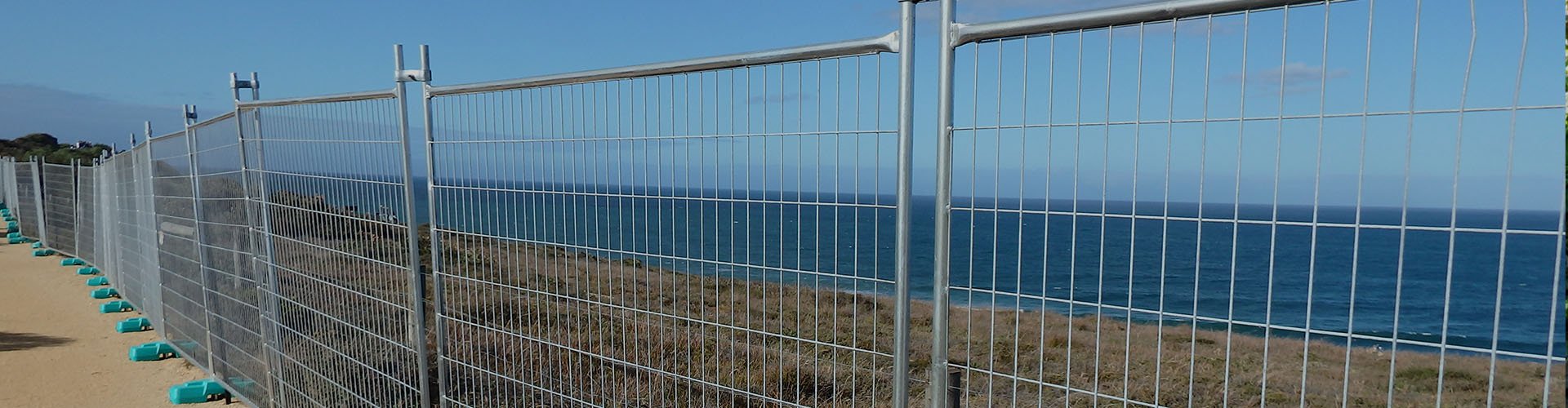
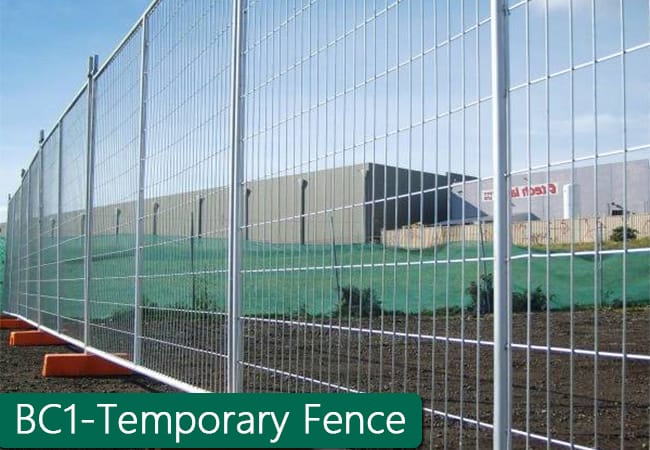
Temporary Fence Core Advantages
1. Fast Deployment & High Mobility
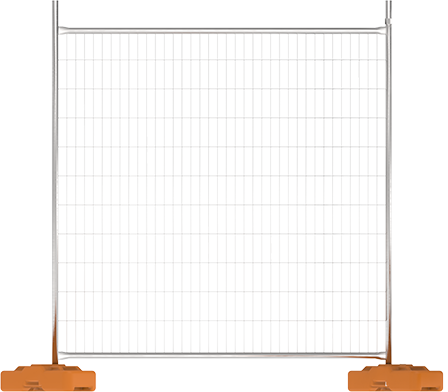
Modular panels + freestanding bases – one person can install, no tools required.
2. Stable & Freestanding
Heavy-duty base prevents tipping – wind-resistant, no ground fixing needed.
3. All-Weather Corrosion Protection
Hot-dip galvanized + PVC coated – rust-proof for long-term outdoor temporary use.
4. Flexible & Reusable
Panels connect with couplers, stackable for transport. Reusable for multiple projects.
Product Details– BDFENCE
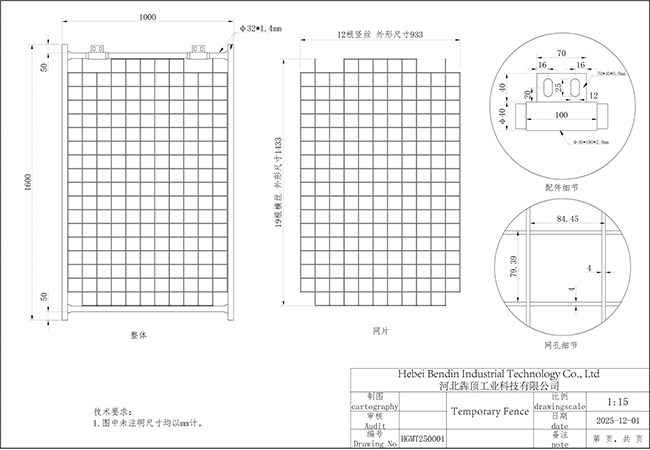
Australia Temporary Fence Specifications
| Parameter | Specifications |
|---|---|
| Horizontal Wire Dia. | 3mm / 4mm |
| Vertical Wire Dia | 3mm / 4mm |
| Mesh Size | 60×60mm / 50×100mm / 65×150mm / 75×150mm / 100×200mm |
| Frame Size | Ø32×1.4mm, Ø32×1.8mm, Ø32×2.0mm, Ø48×1.8mm, Ø48×2.0mm |
| Panel Length | 2.1m / 2.2m / 2.3m / 2.4m |
| Panel Height | 1.8m / 2.1m |
Canada Temporary Fence Specifications
| Parameter | Specifications |
|---|---|
| Line Wire × Cross Wire | 3.0×3.0mm / 3.5×3.5mm / 4.0×3.0mm / 4.0×4.0mm |
| Mesh Size | 60×60mm / 50×100mm / 50×150mm / 75×150mm / 50×200mm / 100×200mm |
| Width | 2.4m / 2.8m / 3.0m / 3.6m |
| Height | 1.8m / 2.0m / 2.1m |
| Frame Size | 25×25×1.0mm, 25×25×1.2mm, 25×25×1.5mm, 25×25×1.8mm, 25×25×2.0mm |
| Inner Tube Size | 20×20×1.0mm, 20×20×1.2mm, 20×20×1.5mm |
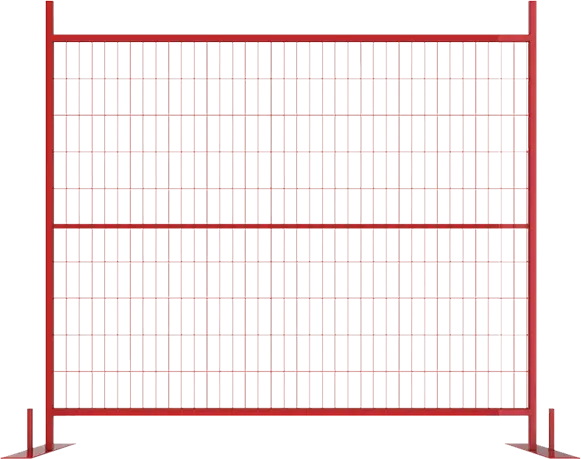
American Temporary Fence Specifications
| Parameter | Specifications |
|---|---|
| Wire Dia. | 3.0mm / 3.5mm / 4.0mm |
| Mesh Size | 50×50mm / 60×60mm / 65×65mm / 75×75mm |
| Width | 2.4m / 3.0m / 3.6m |
| Height | 1.8m / 2.0m |
| Frame Tube | Ø32×2.0mm, Ø48×1.5mm, Ø48×1.8mm, Ø48×2.0mm |
| Inner Tube Size | φ25 × 2.0 mm, φ32 × 2.0 mm, φ48 × 1.5 mm, φ48 × 1.8 mm, φ48 × 2.0 mm |
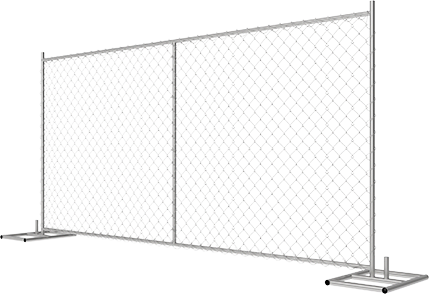
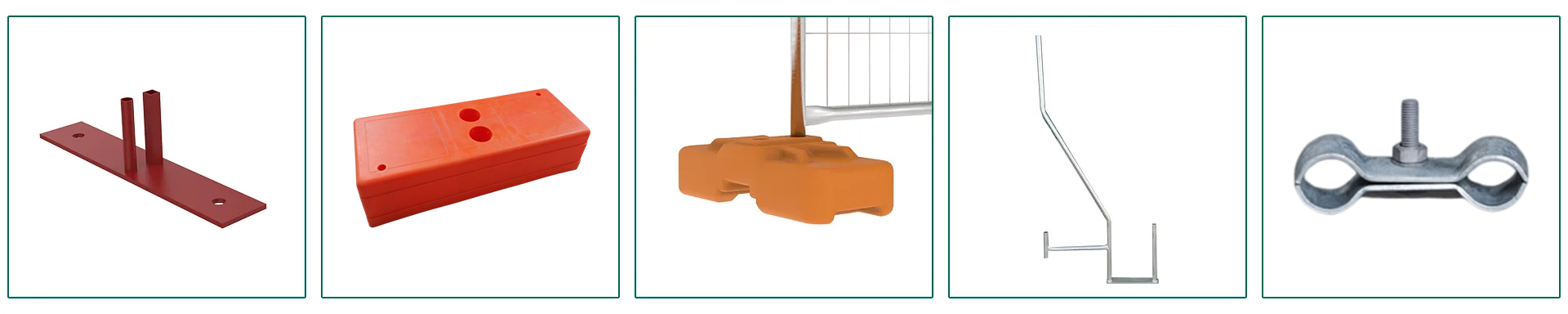
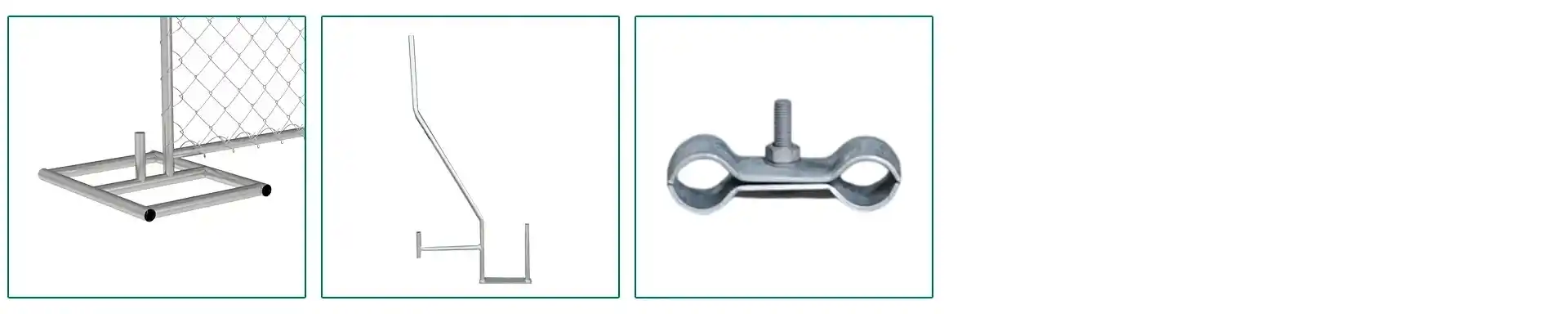
Special Accessories
- Australia Standard
- Canada Standard
- American Standard
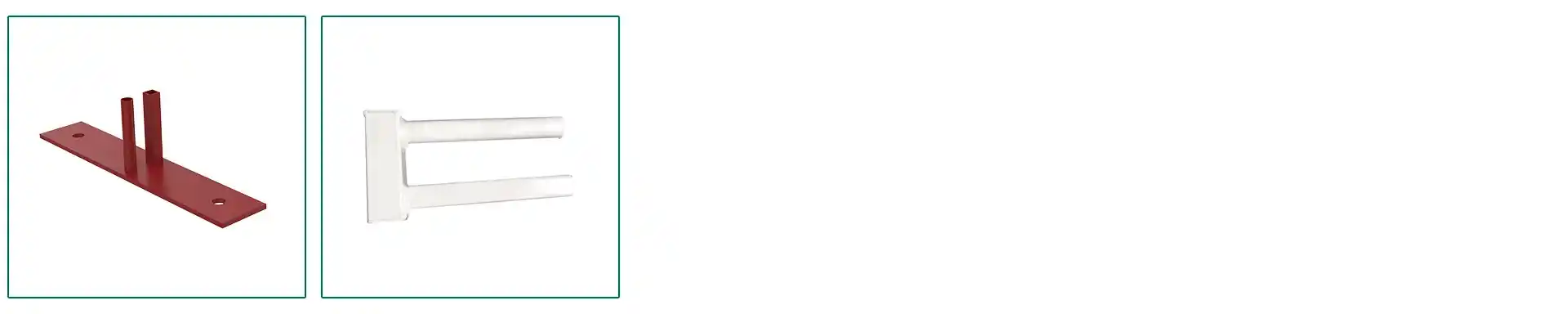
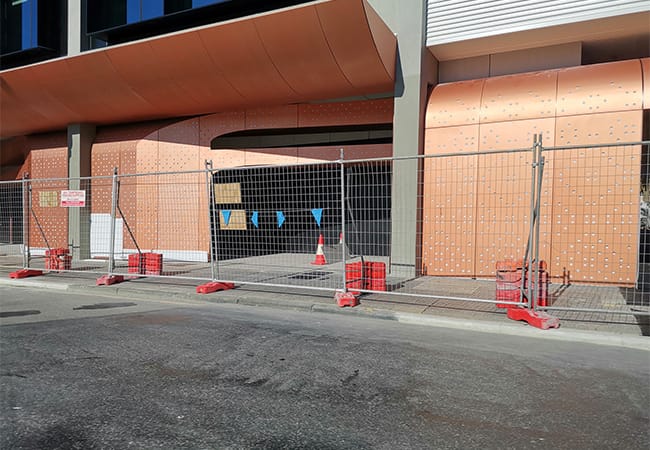
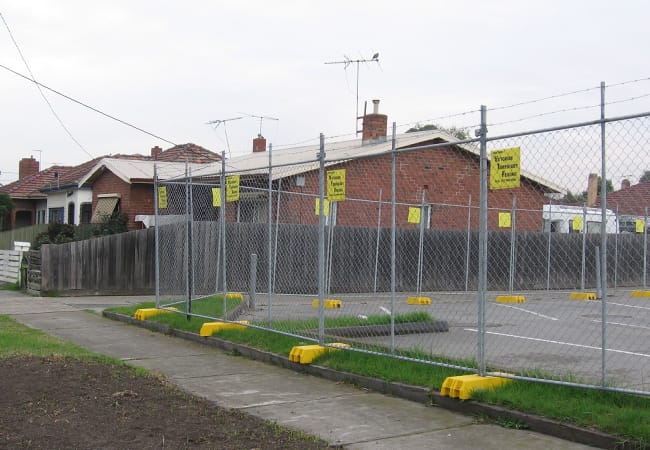
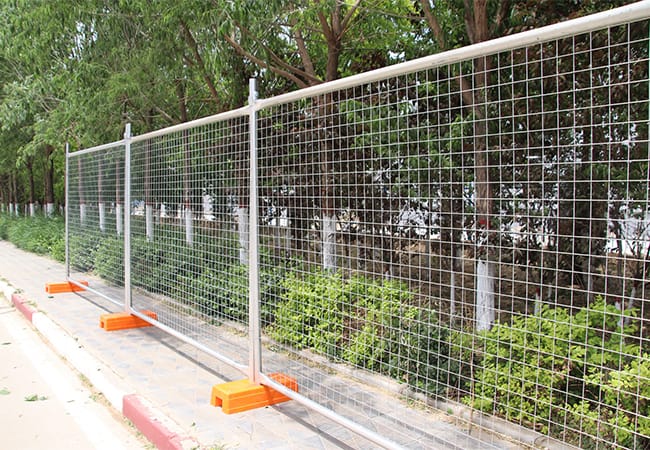
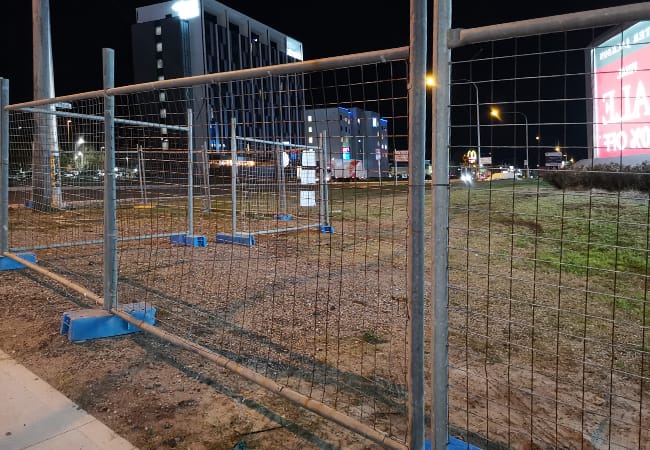
Applications of Temporary Fence
Detailed Installation Process for Temporary Fence
The installation of temporary fence requires strict adherence to operational standards and detailed steps to ensure the overall stability, safety and aesthetic appearance of the fence. Below is the expanded and detailed installation process, with in-depth explanations of each step, key points and precautions:
1. Site Preparation & Layout Marking
Before starting the installation, thorough site preparation is the foundation to ensure the smooth progress of subsequent operations. First, clear the entire construction area, remove all obstacles such as stones, weeds, garbage and sundries that may affect the installation, and clean the ground to avoid interference with positioning and assembly. Then, use a level to check the flatness of the installation ground; if there are local uneven areas, level them with compacted gravel or sand to ensure that the temporary fence panels and bases can be placed stably and evenly. Next, according to the design drawings and actual installation requirements, use professional measuring tools (such as tape measure, theodolite and ink line) to mark the layout range and placement position of each fence panel. The installation ground should be kept flat and clean to improve overall stability. At the same time, mark the alignment lines to ensure the straightness and verticality of the entire temporary fence structure.
2. Fence Panel Installation & Connection
After the bases are fully positioned, temporary fence panel installation can be carried out. First, lift the welded mesh panels carefully and insert them vertically into the reserved slots of the bases. During installation, adjust the position of the panels to maintain a neat and uniform appearance, ensuring horizontal and vertical alignment. Connect adjacent panels firmly with heavy-duty clamps or connecting bolts to form an integrated temporary barrier. For long-distance enclosure, install the panels in sequence to keep the whole fence flat and consistent. Ensure the panel surface is flat and the structure is not distorted, which guarantees the fence’s stability and protection effect.
3. Connection & Reinforcement
Connection and reinforcement directly affect the structural integrity and service life of the temporary fence. First, after panel installation is completed, install and tighten all panel connectors, clamps and fixing bolts to ensure all connections are tight and firm. Install additional support bars or diagonal braces for high fence panels to enhance wind resistance and stability. Pay special attention to tightening the corner and joint connections to prevent loosening or displacement. Double-check all connection points to ensure no gaps or loose components, which provides reliable protection for temporary use.
4. Alignment & Stability Check
After the installation of bases and fence panels are completed, a comprehensive alignment and stability check is required to ensure that the installation quality meets the standards. First, use a level and plumb line to check the verticality of the panels and the flatness of the fence: verticality error should not exceed 5mm per meter, and horizontal alignment should be consistent with the design. Then, check the overall straightness and structural stability: gently push the fence to ensure no obvious shaking or displacement. Check the tightness of all connections and the firmness of the bases. If any problems are found (such as skewing, loose connections, uneven panels), adjust and reinforce them immediately to ensure structural safety and reliability.
5. Site Cleaning & Final Acceptance
The final step of the installation process is site cleaning and acceptance, which ensures the aesthetic appearance of the fence and confirms that the installation is up to standard. First, remove excess debris, scraps and installation waste from the construction site, and clean the surface of the temporary fence to maintain a neat appearance. Then, carry out comprehensive acceptance according to the design drawings and installation standards: check the fence dimensions, alignment, verticality, panel installation and connection firmness; check for surface damage, rust, or loose components; verify wind resistance and overall stability. After the acceptance is qualified, the installation work is officially completed. If unqualified items are found, they should be rectified immediately until they meet the acceptance standards.
Note
During the entire installation process, construction personnel should wear protective equipment (such as safety helmets, gloves and safety shoes) to ensure construction safety. In addition, pay attention to the protection of the temporary fence surface during installation to avoid damage to the surface treatment layer (such as galvanizing, PVC coating) which may affect the corrosion resistance and service life of the fence.
Why Choose BDFENCE for Temporary Fence?
1. Heavy‑Duty Materials & Dual Coating
We use Q235 low‑carbon steel with hot‑dip galvanizing + optional PVC/powder coating. Rust‑proof for outdoor temporary use – reusable for 10+ years.
2. Full Parameter Coverage – Australia, Canada, USA Standards
We supply exact specifications for each market:
Australia: Welded or chain link mesh, 2.2‑2.4m panel length, 1.8‑2.1m height, round frame (Ø32/48mm).
Canada: Square frame (25×25mm), inner tube, panel length 2.4‑3.6m, height 1.8‑2.1m.
USA: Chain link mesh as standard, panel length 2.4‑3.6m, height 1.8‑2.0m, round frame (Ø32/48mm).
3. Complete Base System
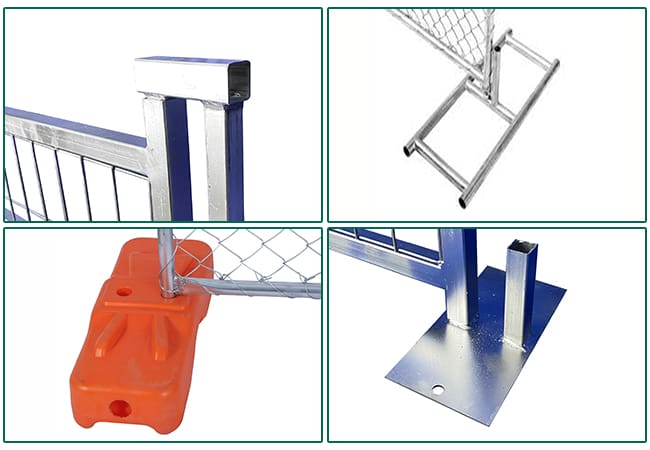
Concrete bases (15‑25kg) with easy‑slot channels. Steel bases for hard surfaces. Base connectors, coupling pins – all included.
4. Fast, Tool‑Free Installation
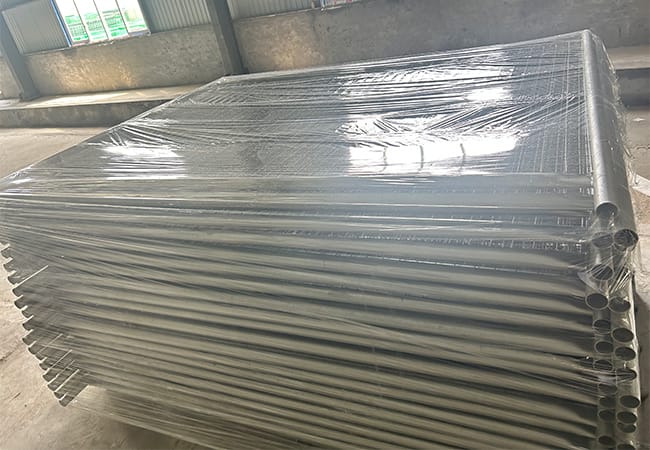
One person can install 50m in 30 minutes. No digging, no concrete pouring. Panels stack flat for transport.
5. Factory Direct – Quality & Price
In‑house welding, galvanizing, coating, base casting. Fast lead time (10‑12 days for 500 panels), competitive pricing.
6. Global Temporary Fence Experience
Supplied construction sites, roadworks, concerts, emergencies across Australia, Canada, USA, Germany, UAE and more.
📌 In short: Market‑specific specs + hot‑dip galvanized + heavy concrete bases + tool‑free install = BDFENCE, your trusted temporary fence partner.