

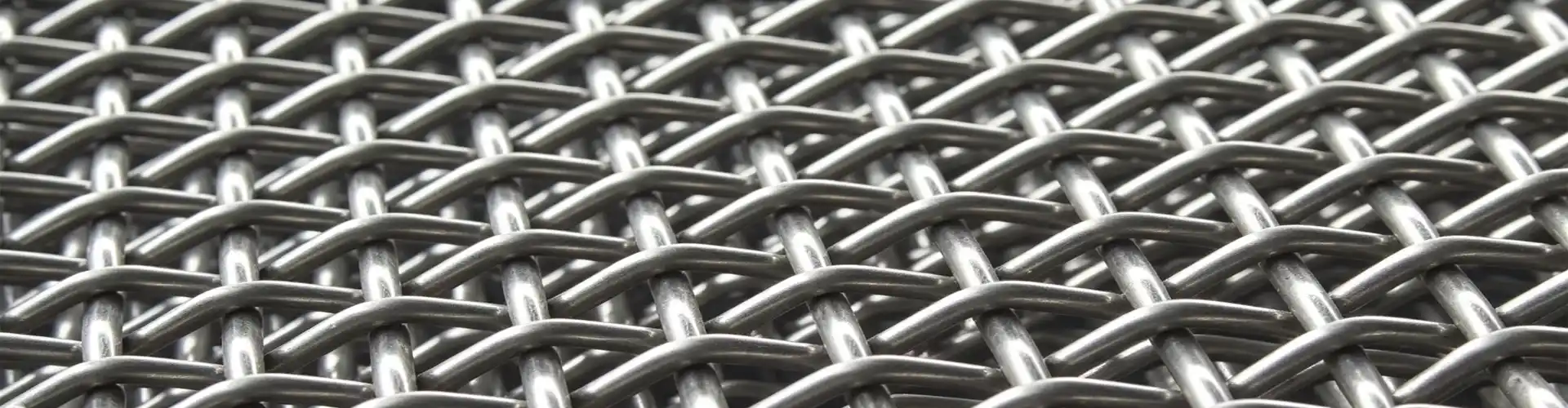
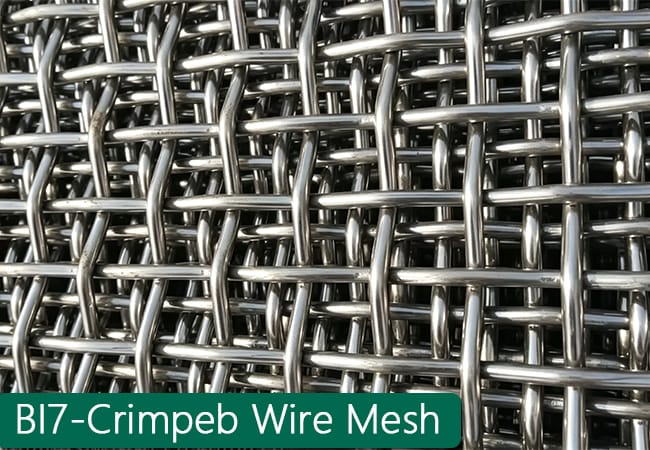
Crimpep Wire Mesh Core Advantages
1. High Load‑Bearing & Anti‑Deformation
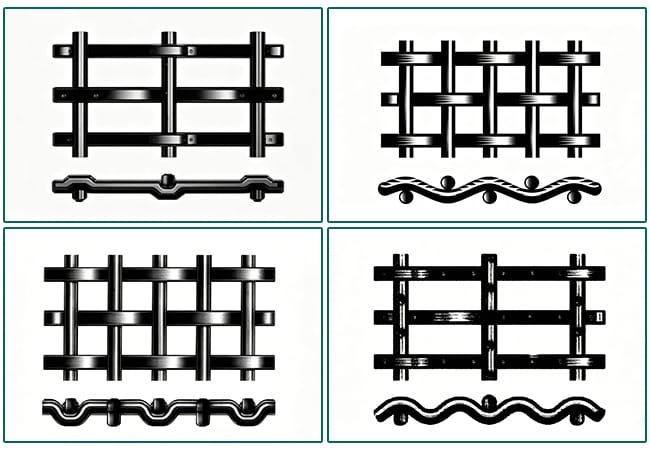
Pre‑crimped wire locking at each intersection – prevents wire slippage, maintains consistent mesh opening under heavy load.
2. Excellent Wear & Impact Resistance
Heavy‑duty low‑carbon or stainless steel – withstands abrasive materials, frequent screening.
3. Corrosion & Weather Protection
Hot‑dip galvanized, PVC coated, or stainless steel (304/316/316L/321) – for mining, chemical, outdoor use.
4. Stable & Easy Installation
Pre‑woven rolls – cut to size, direct installation on screens or frames. No on‑site weaving.
Product Details– BDFENCE
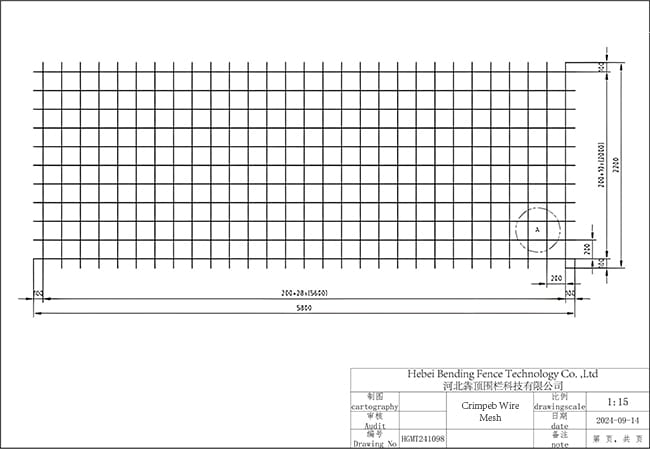
Crimped Wire Mesh Specifications
| Parameter | Specifications |
|---|---|
| Material | Stainless Steel 304, Stainless Steel 316, Stainless Steel 316L, Stainless Steel 321, etc. |
| Model / Type | GF1W, GF2W, GF3W, etc. |
| Size | 1×30 m, 1.2×30 m, 1.5×30 m, 2×30 m (custom available) |
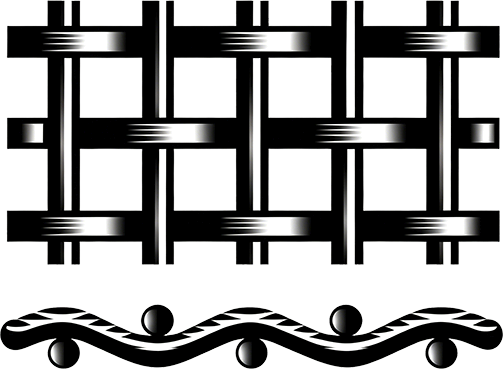
| Weave Type | Plain weave, Twill weave |
| Performance | Acid resistance, alkali resistance, high temperature resistance, wear resistance |
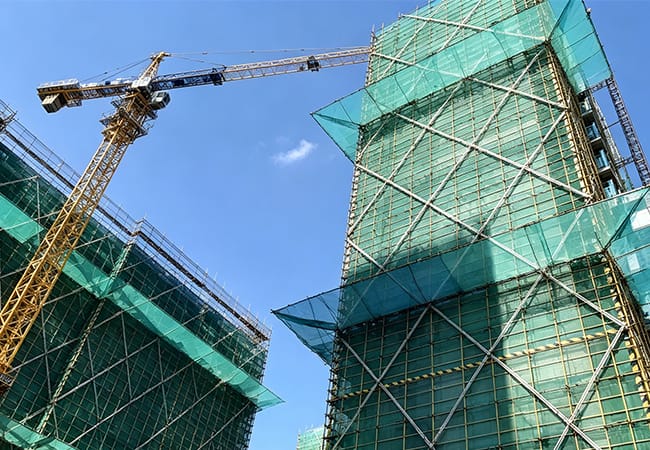
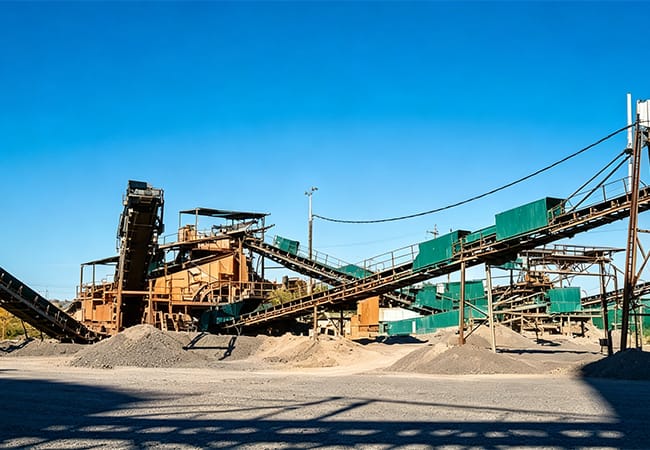
| Application | Mining, petroleum, chemical, food, pharmaceutical, machinery manufacturing, quarry separation, industrial protection, building decoration, mechanical sieving |
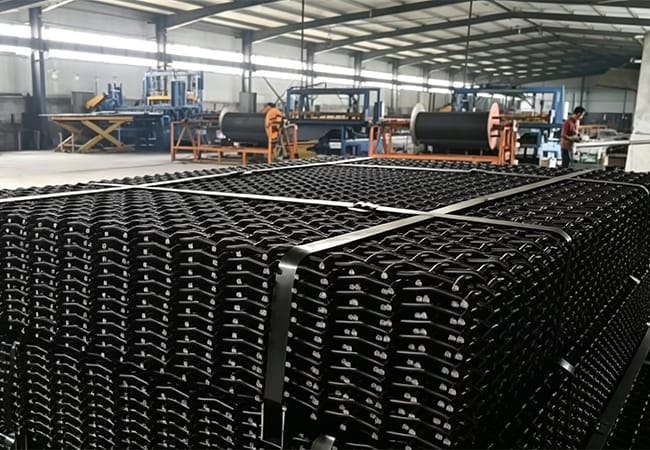
Applications of Crimpep Wire Mesh


Detailed Installation Process for Crimped Wire Mesh
The installation of crimped wire mesh requires strict adherence to operational standards and detailed steps to ensure the overall stability, safety and aesthetic appearance of the mesh. Below is the expanded and detailed installation process, with in-depth explanations of each step, key points and precautions:
1. Site Preparation & Foundation Leveling
Before starting the installation, thorough site preparation is the foundation to ensure the smooth progress of subsequent operations. First, clear the entire construction area, remove all obstacles such as stones, weeds, garbage and sundries that may affect the installation, and clean the ground or installation base to avoid interference with positioning and fixing. Then, use a level to check the flatness of the installation surface; if there are local uneven areas, level them with compacted gravel or padding materials to ensure that the crimped wire mesh can be laid stably and evenly. Next, according to the design drawings and actual installation requirements, use professional measuring tools (such as tape measure, theodolite and ink line) to mark the layout range and fixing position of each mesh panel. The installation base should be compacted to achieve sufficient bearing capacity, and a layer of cushion can be laid to improve stability. At the same time, mark the alignment lines to ensure the straightness and flatness of the entire crimped wire mesh structure.
2. Mesh Panel Placement & Positioning
Mesh panel placement and positioning are core links affecting the overall stability of the crimped wire mesh, and every detail needs to be strictly controlled. First, place the crimped wire mesh panels on the prepared base and check for any damage or deformation; ensure all mesh intersections and woven structures are intact. Then, adjust the panels to the standard position: align the edges accurately along the marked lines, and keep adjacent panels tightly connected to form an integrated unit. For large-area laying, place each panel with proper alignment to enhance structural stability and load-bearing performance. Check the flatness and alignment of each panel to avoid skewing during fixing.
3. Mesh Fixing & Compaction
After the crimped wire mesh panels are fully positioned, fixing and compaction can be carried out. First, select high-strength fixing accessories (such as bolts, press strips, hooks or welding connectors) matching the mesh structure. During fixing, install fasteners at the edges and corners first to maintain a neat and stable structure, then fix the middle area evenly to ensure firmness. Fix the mesh evenly step by step, and adjust the tightness properly to eliminate looseness; avoid over-tightening to prevent mesh deformation. For large-scale screening or structural use, fix the mesh in sections to maintain structural balance. Ensure the mesh surface is flat and the woven structure is not distorted, which guarantees the mesh’s stability and working effect.
4. Edge Sealing & Tightening
Edge sealing and tightening directly affect the structural integrity and service life of the crimped wire mesh. First, after mesh fixing is completed, install edge sealing strips, frames or protective covers at the edges of the mesh. Use high-strength fasteners to securely fix the sealing structure to the mesh and installation base at intervals, ensuring all connections are tight and firm. Connect adjacent mesh panels and edge structures together to enhance overall integration. Pay special attention to tightening the corners and edges to prevent mesh loosening or edge warping. Double-check all connection points to ensure no gaps or loose parts, which provides reliable protection for long-term use.
5. Alignment & Stability Check
After the installation and fixing of crimped wire mesh are completed, a comprehensive alignment and stability check is required to ensure that the installation quality meets the standards. First, use a level and ruler to check the flatness and alignment of the mesh: surface flatness error should not exceed 5mm per meter, and overall alignment should be consistent with the design. Then, check the overall structural stability: gently press the mesh to ensure no obvious shaking or displacement. Check the tightness of all fixing connectors and the firmness of the woven structure. If any problems are found (such as skewing, loose connections, uneven laying), adjust and reinforce them immediately to ensure structural safety and durability.
6. Site Cleaning & Final Acceptance
The final step of the installation process is site cleaning and acceptance, which ensures the aesthetic appearance of the mesh and confirms that the installation is up to standard. First, remove excess debris, scraps and fixing waste from the construction site, and clean the surface of the crimped wire mesh to maintain a neat appearance. Then, carry out comprehensive acceptance according to the design drawings and installation standards: check the mesh dimensions, alignment, flatness, fixing compactness, and connection firmness; check for mesh damage, rust, or loose components; verify filtering performance and structural stability. After the acceptance is qualified, the installation work is officially completed. If unqualified items are found, they should be rectified immediately until they meet the acceptance standards.
Note
During the entire installation process, construction personnel should wear protective equipment (such as safety helmets, gloves and safety shoes) to ensure construction safety. In addition, pay attention to the protection of the crimped wire mesh surface during installation to avoid damage to the surface treatment layer (such as galvanizing, PVC coating) which may affect the corrosion resistance and service life of the mesh.
Why Choose BDFENCE for Crimped Wire Mesh?
1. Premium Material Options
We offer low‑carbon steel, stainless steel 304/316/316L/321, and galvanized/PVC coated wire. Choose for your environment – mining, chemical, food, or pharmaceutical.
2. Precise Crimping & Consistent Opening
Pre‑crimped wire before weaving ensures each intersection locks firmly. Mesh openings remain consistent (±2mm) even under heavy load – no wire slippage.
3. Full Range of Sizes & Weaves
Roll widths 1‑2m, length 30m standard (custom). Plain weave for general screening, twill weave for extra strength/fine filtration.
4. Excellent Durability – Acid, Alkali, Wear, Heat Resistant
Suitable for harsh conditions: vibrating screens, corrosive chemicals, high‑temperature processes, abrasive materials.
5. Factory Direct – Quality & Price
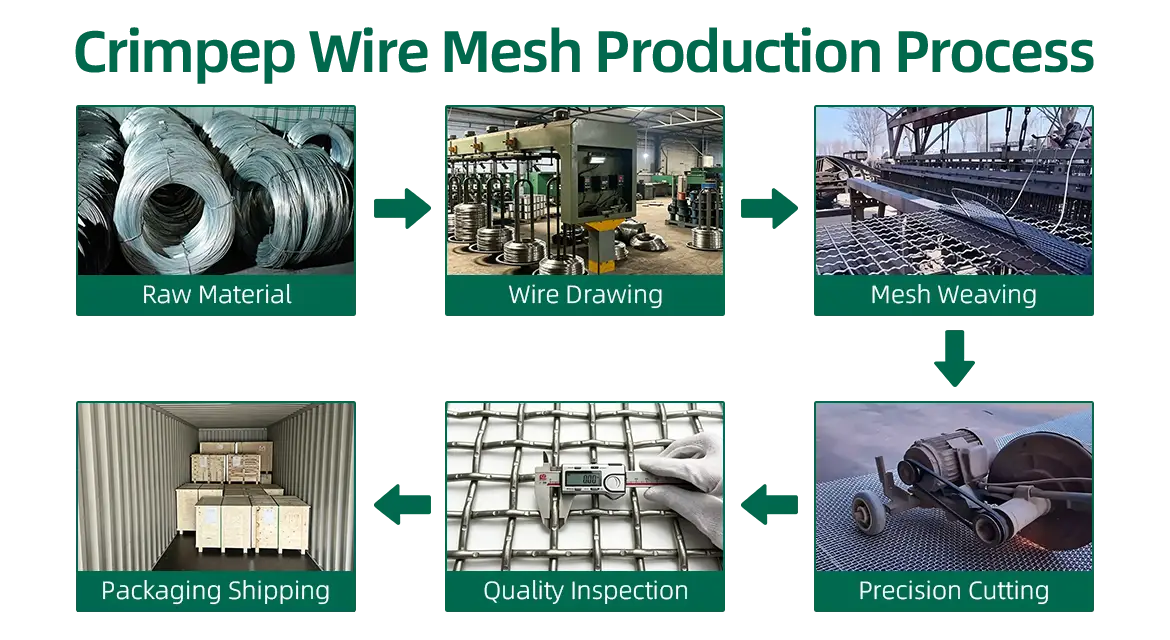
In‑house wire drawing, crimping, weaving, coating. Strict QC, fast lead time (10‑15 days), competitive pricing.
6. Global Mining & Industrial Experience
Supplied coal mines, quarries, chemical plants, food/pharma factories across Australia, USA, Germany, China, South Africa and more.
📌 In short: Pre‑crimped locked weave + stainless/galvanized options + consistent opening + wear resistance = BDFENCE, your trusted crimped wire mesh partner.