

Expandable Fence Core Advantages
1. High Flexibility & Mobility
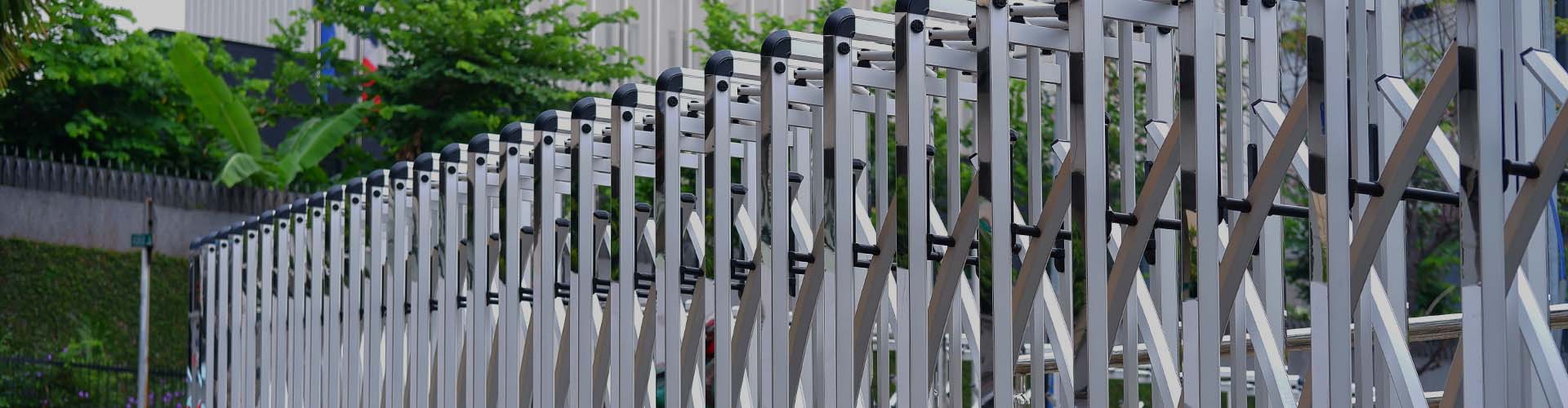
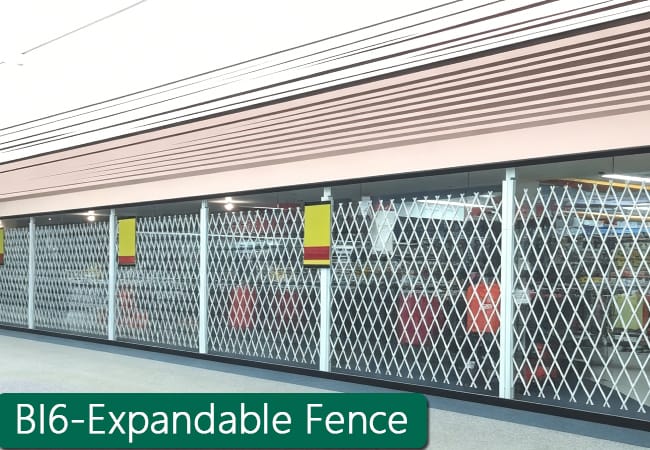
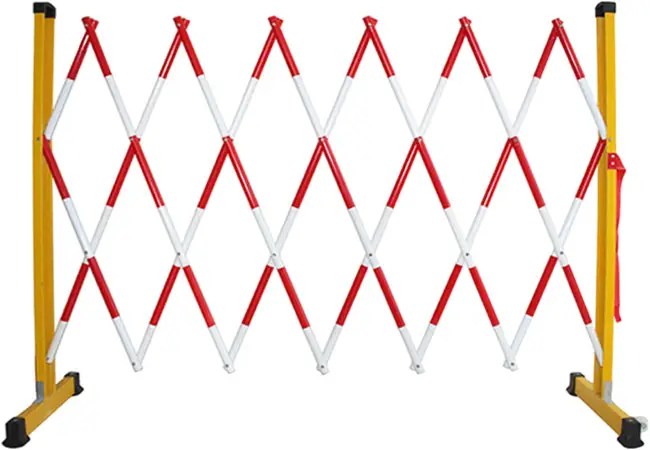
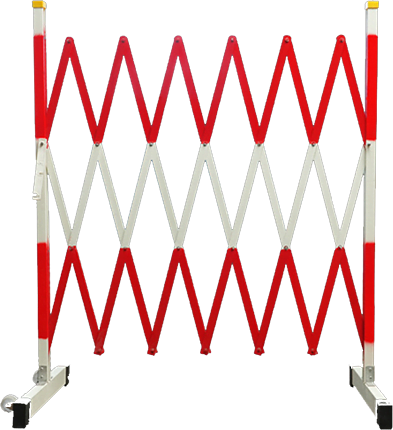
Scissor-type telescopic frame expands and contracts – adapts to any width, easy to move.
2. Space‑Saving Storage
Folds to 420‑450mm minimum length – stores in small spaces, stackable.
3. All‑Weather Corrosion Protection
Hot-dip galvanized, PVC coated, or plastic/ aluminum options – rust‑proof for outdoor use.
4. Fast Deployment, No Tools
Pull to expand, push to fold. One person can set up in seconds.
Product Details– BDFENCE
Expandable Fence Specifications
| Parameter | Specifications |
|---|---|
| Material | Plastic / Steel tube / Aluminum slat |
| Min Length | 420 mm / 450 mm |
| Max Length | 3500 mm / 3000 mm |
| Height | 950 mm / 1020 mm |
| Width | 420 mm / 300 mm |
| Weight | 7.0 Kg / 11.6 KG |
| Color | Yellow / Black Red / White, Yellow / Black Red / White / Silver |
| Rectangular Post Size | 50 × 100 mm. |
| Rectangular Post Thickness: | 2.5 mm / 3.0 mm / 3.5 mm. |
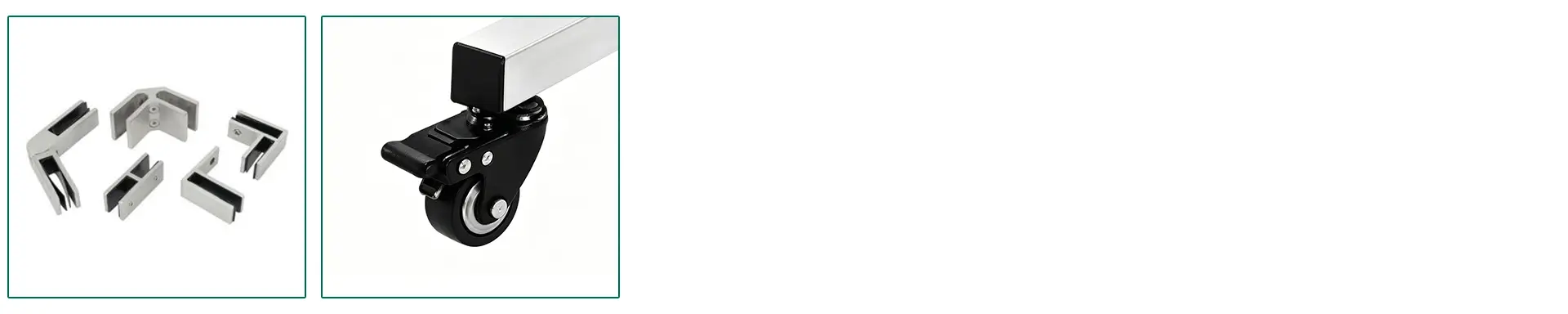
Special Accessories
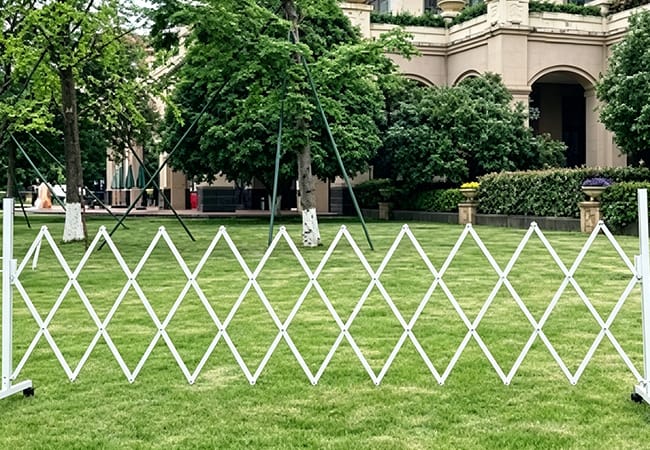
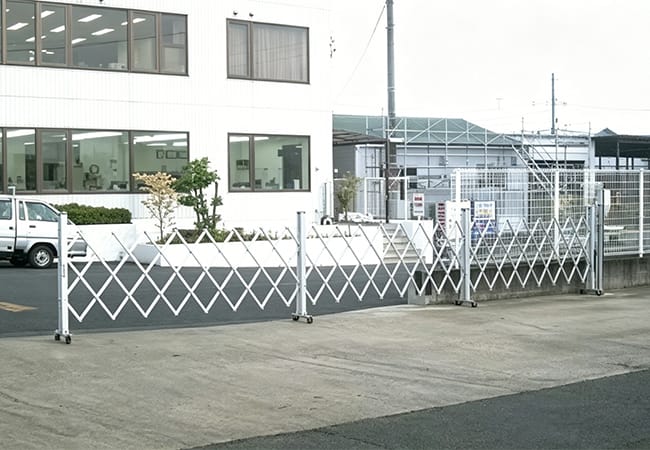
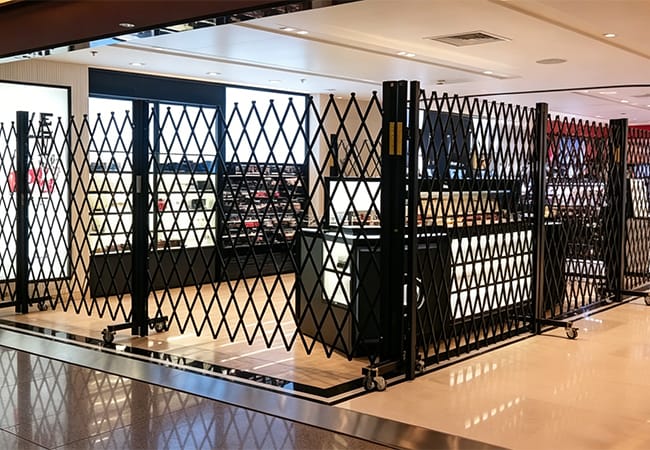
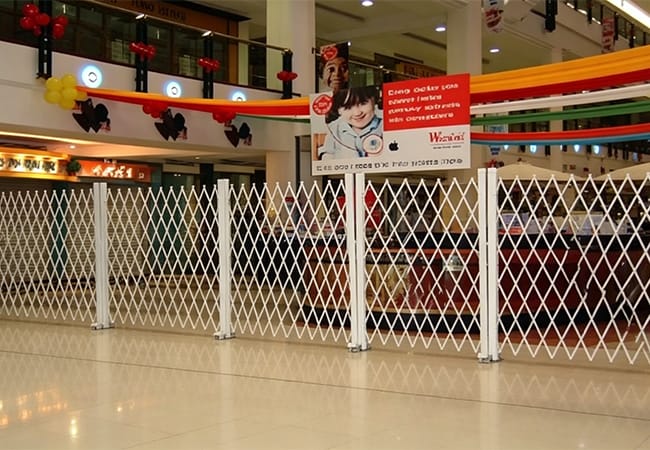
Applications of Expandable Fence
Detailed Installation & Deployment Process for Expandable Fence
The deployment of expandable fence requires strict adherence to operational standards and detailed steps to ensure the overall stability, safety and aesthetic appearance of the barrier. Below is the expanded and detailed deployment process, with in-depth explanations of each step, key points and precautions:
1. Site Preparation & Route Marking
Before starting deployment, thorough site preparation is the foundation to ensure the smooth progress of subsequent operations. First, clear the entire construction area, remove all obstacles such as stones, debris, wires and sundries that may affect expansion, and keep the ground flat to avoid interference with stretching and movement. Then, according to the site requirements and isolation scope, use professional measuring tools (such as tape measure, marker and warning line) to mark the deployment route and length. The site should be kept free of sharp objects to avoid damaging the fence surface. At the same time, mark the start and end positions to ensure the straightness and proper length of the entire expandable fence.
2. Fence Unfolding & Positioning
Unfolding and positioning are core links affecting the overall stability of the expandable fence, and every detail needs to be strictly controlled. First, take out the folded expandable fence and place it at the starting point, checking for any damage, deformation or loose rivets; ensure all connecting rods and moving joints are intact. Then, gently pull the fence along the marked route to expand it to the required length, keeping the height consistent and the structure balanced. Adjust the position to ensure straight alignment, and place end supports or fixed bases at both ends to form a complete isolation unit. Check the level and alignment to avoid tilting or uneven stretching.
3. Fixing & Stability Adjustment
After the expandable fence is fully unfolded, fixing and adjustment can be carried out. First, install supporting feet, fixed buckles or counterweight bases to ensure stable standing. For outdoor or windy sites, use ground nails, weight blocks or fixed clips to strengthen stability. Adjust the telescopic joints evenly to ensure balanced stress and no partial looseness. For long-distance isolation, connect multiple sections with special connectors to form a continuous barrier. Ensure the fence stands stably and the structure is not distorted, which guarantees the barrier’s stability and safety effect.
4. Accessory Installation & Reinforcement
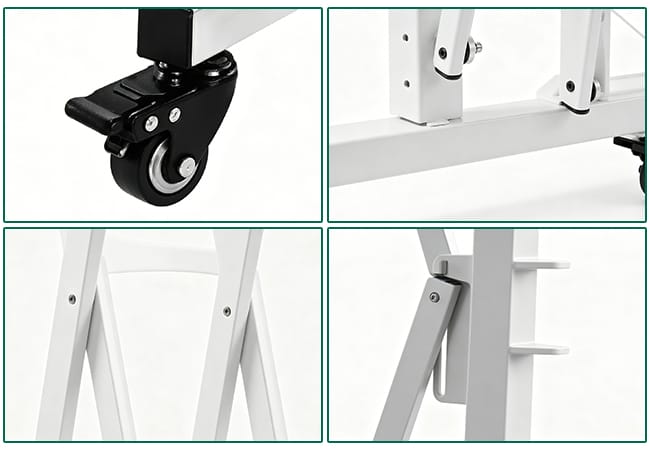
Accessory installation directly affects the structural integrity and service life of the expandable fence. First, install warning signs, reflective strips, handles or locking devices according to usage requirements. Fasten all movable joints, buckles and connecting pins to prevent automatic shrinkage or displacement. Pay special attention to locking the telescopic limit device to prevent accidental closing. Double-check all connection points to ensure no gaps or loose parts, which provides reliable protection for temporary or long-term use.
5. Alignment & Stability Check
After deployment and fixing, a comprehensive alignment and stability check is required to ensure that the installation quality meets the standards. First, visually check the straightness and verticality of the fence: the height should be consistent, and the tilt angle should not exceed the allowable range. Then, check the overall stability: gently push the fence to ensure no obvious shaking, sliding or collapse. Check the tightness of all rivets, joints and fixed bases. If any problems are found (such as tilting, loose connections, uneven expansion), adjust and reinforce them immediately to ensure safety and durability.
6. Site Finishing & Final Acceptance
The final step of the deployment process is site finishing and acceptance, which ensures the neat appearance of the barrier and confirms that the deployment is up to standard. First, remove excess packaging, debris and tools from the site, and arrange the surrounding area neatly. Then, carry out comprehensive acceptance according to site safety standards: check the length, height, straightness, fixing firmness and surface condition; check for damage, rust or loose parts; verify wind resistance and isolation performance. After acceptance is qualified, the deployment is officially completed. If unqualified items are found, rectify them immediately until they meet safety standards.
Note
During the entire deployment process, operators should wear protective equipment (such as safety gloves and non-slip shoes) to ensure safe use. In addition, pay attention to protecting the surface of the expandable fence during handling to avoid damage to the surface treatment layer (such as galvanizing, PVC coating) which may affect the corrosion resistance and service life of the fence.
Why Choose BDFENCE for Expandable Fence?
1. High‑Quality Material Choices
We offer steel tube (heavy‑duty), aluminum slat (lightweight), or plastic (economical). All with anti‑rust coating – suitable for indoor/outdoor.
2. Full Customization – Length, Height, Color
Min length 420‑450mm, max length 3000‑3500mm, height 950‑1020mm. Colors: yellow/black, red/white, silver. Custom printing/logos available.
3. Space‑Saving & Portable
Folds to 1/7 of expanded length – store 50 units in a van. One person can carry and deploy.
4. Rectangular Post System for Fixed Installations
Use 50×100mm posts (2.5‑3.5mm thick) to anchor ends – creates semi‑permanent barriers for roads, events, parking.
5. Factory Direct – Quality & Price
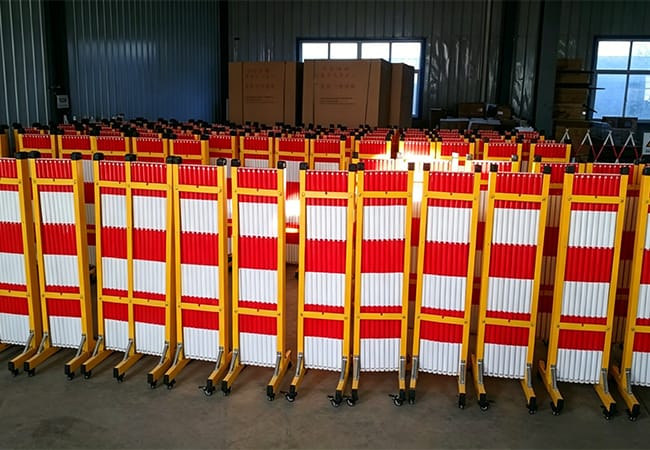
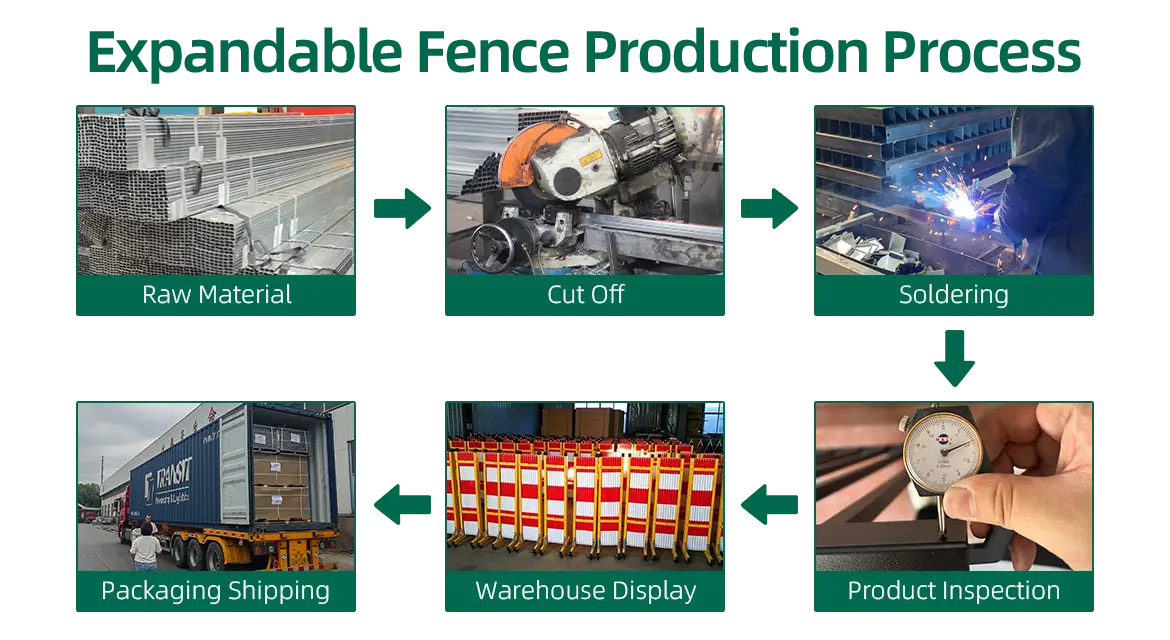
In‑house tube cutting, riveting, coating. Fast lead time (10‑15 days), competitive pricing.
6. Global Temporary Barrier Experience
Supplied construction sites, concerts, airports, shopping malls, roadworks across Germany, USA, UK, Australia, UAE and more.
📌 In short: Scissor‑type flexibility + space‑saving fold + material options + post anchoring = BDFENCE, your trusted expandable fence supplier.