


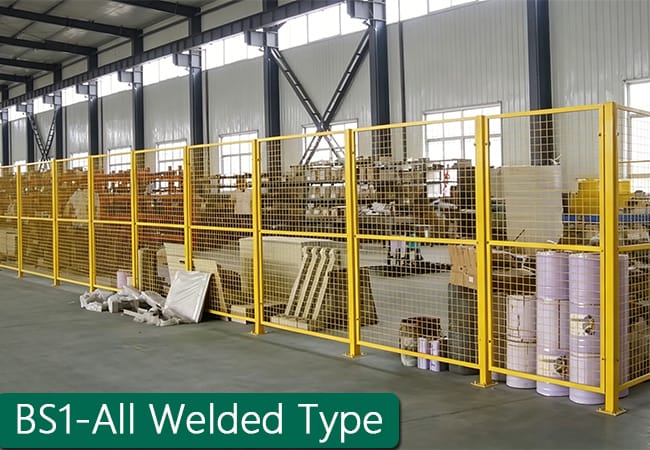
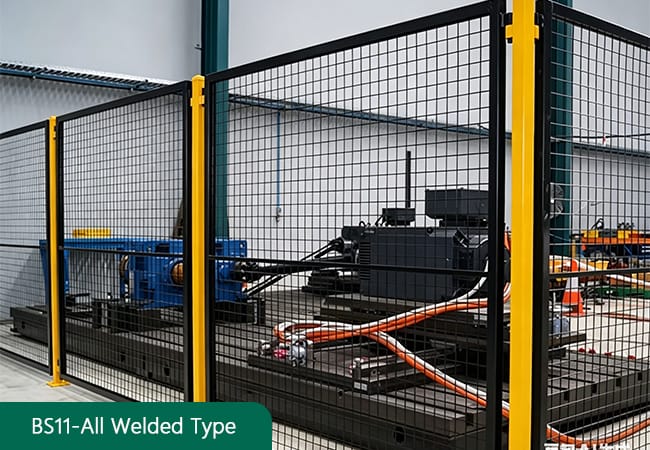
All Welded Type
Mesh Panel Workshop Fence is a high-efficiency industrial partition protection system with modular welded mesh panel design, delivering great stability, ventilation visibility and space division performance. Made of quality low-carbon steel wire with firm welded mesh, its rigid frame structure enhances overall stability and prevents deformation under daily use.
It features electro galvanized, hot-dip galvanized, PVC coated or spray painted finishes for excellent corrosion, rust and wear resistance, suitable for indoor workshops, warehouses and industrial environments. Modular panel design enables fast plug-in assembly and flexible combination, saving labor and installation time.
Durable, practical and cost-effective, it is widely used in factory workshop division, warehouse area isolation, equipment protection, production zone separation, workshop safety enclosure and industrial space management applications.
Product Details– BDFENCE
What is a All Welded Type?
Mesh Panel Workshop Fence, also widely known as Workshop Partition Fence or Warehouse Mesh Isolation Fence, is a highly practical, space-dividing, and quick-installation industrial safety barrier system characterized by its rigid welded mesh panels and sturdy steel frame design, offering an optimal blend of workshop zoning, equipment protection, and long-term durability.
All Welded Type Specifications
Panel Size (HxW):1.5mx2.0m, 1.8mx2.5m, 2.0mx3.0m/0.6m-3.0m (any size).
Mesh Opening:50x50mm, 60x60mm/20x100mm, 50x100mm.
Wire Diameter (after coating):4.0mm/3.0-6.0mm.
Frame Tube: 20x30mm, 20x20mm / 30x30mm, 40x40mm.
Post: 50x50mm, 60x60mm/ 40x40mm, 80x80mm.
Tube Thickness:1.0mm, 1.2mm/1.5mm, 2.0mm.
Surface Treatment:PVC Coated, Powder Coated/ Galvanized + PVC Coated.
Color:Yellow, Black, Grey/Blue, White, Dual Color.
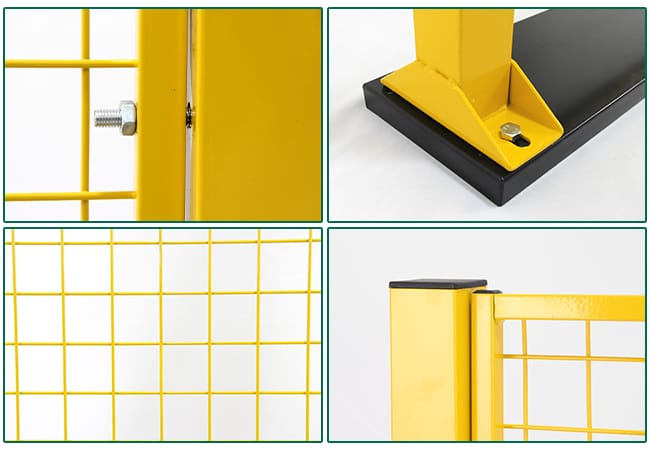
Special Accessories
- All Welded Type
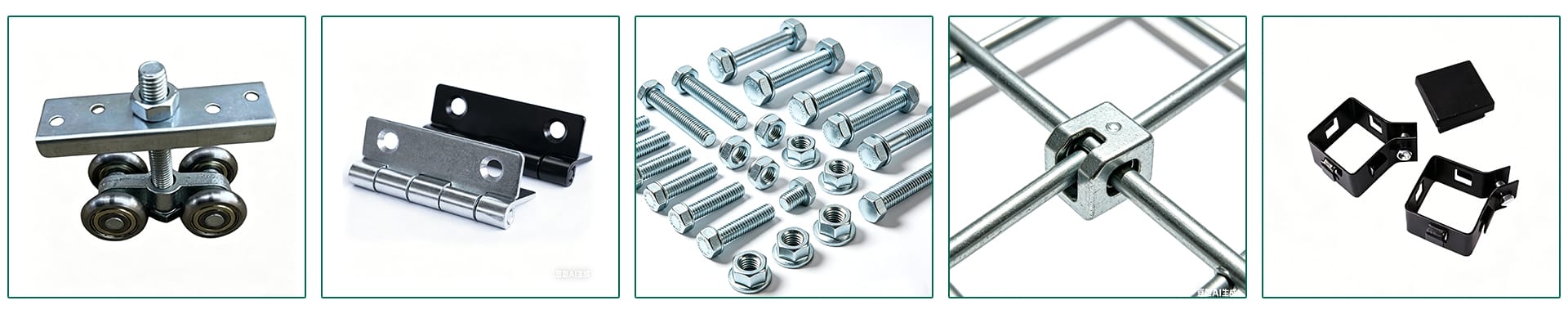
Various structures available for All Welded Type
Introduction to Product Categories & Detailed Item Overview
Full-Service Industrial Chain
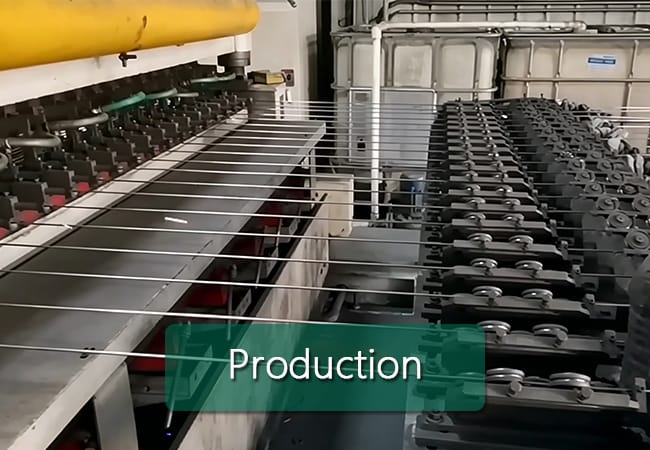
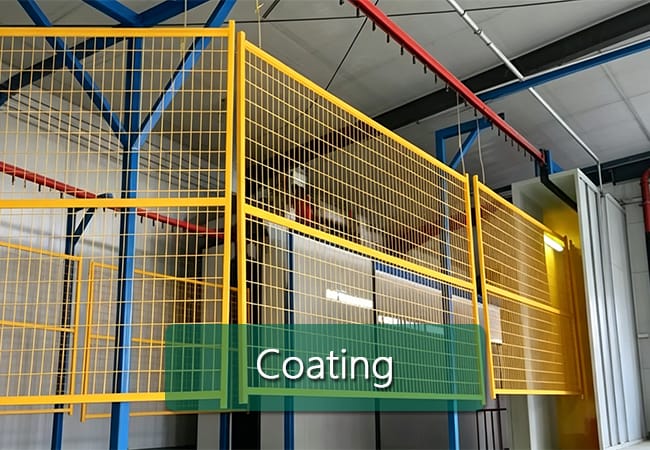
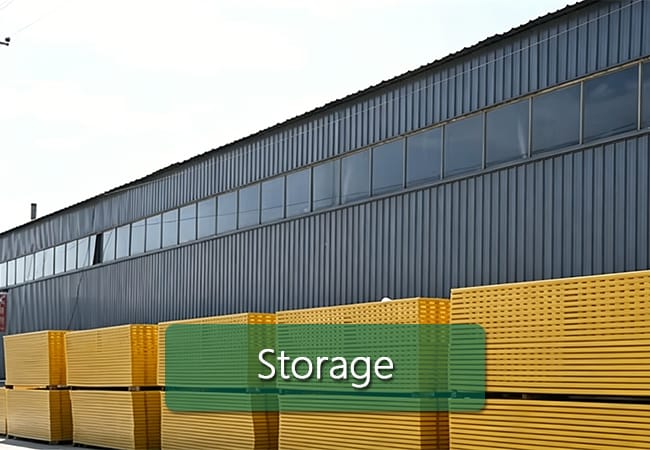
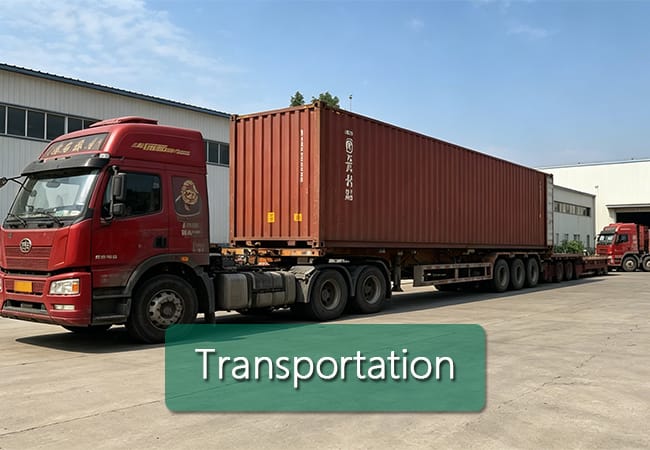
We provide a complete industrial chain covering production, coating, on-site installation and standardized warehousing services.
Applications of All Welded Type
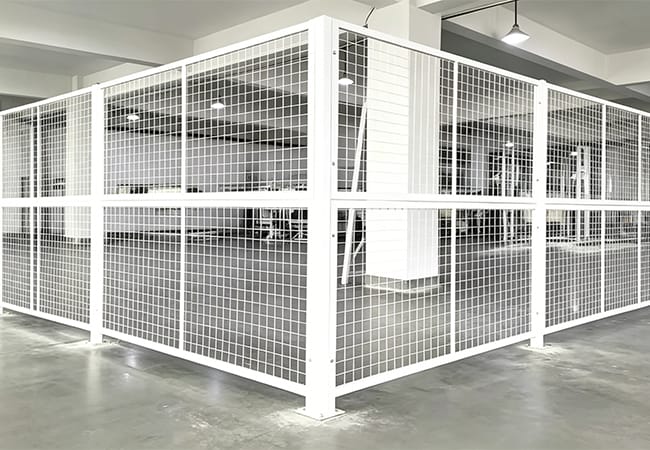
White modular mesh fence creates clear, open sight lines while dividing work zones, ideal for office and production area separation.
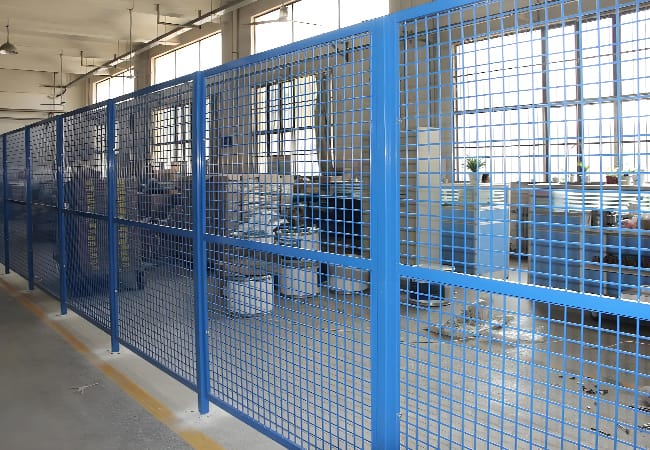
Blue high-strength mesh barrier provides reliable safety protection for machinery and equipment, preventing unauthorized access.
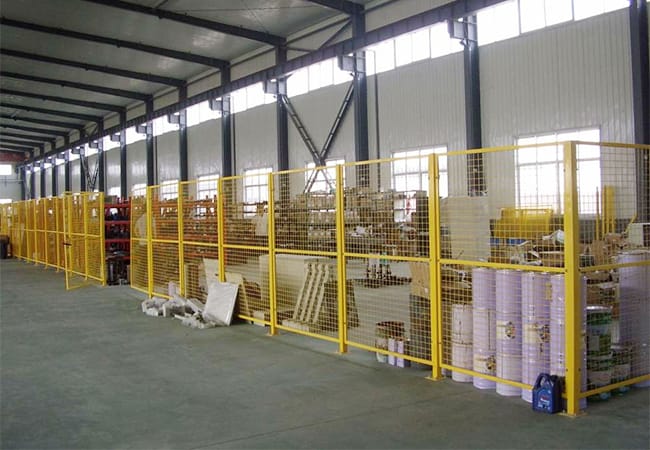
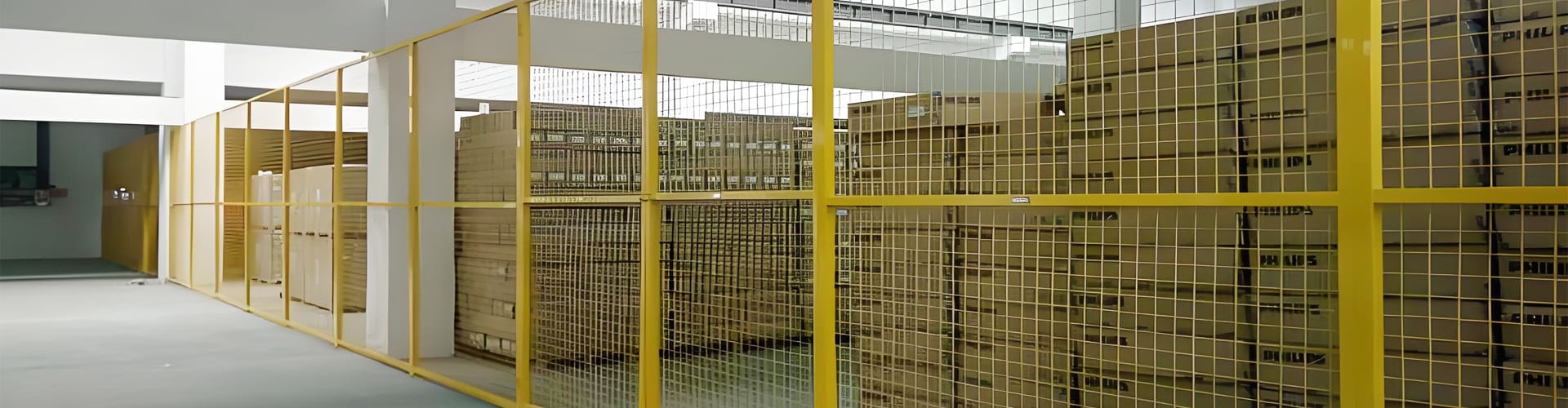
Bright yellow safety fence clearly defines storage zones, improving inventory management and workplace safety in warehouses.
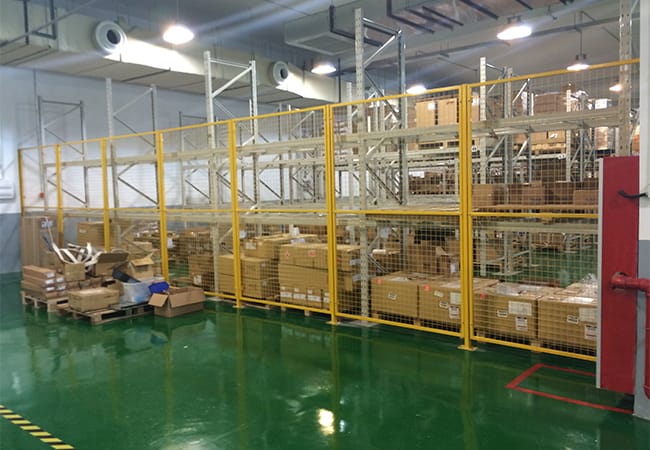
Yellow safety partition fence separates production and logistics areas, streamlining workflow and preventing cross-traffic risks.
Production Process
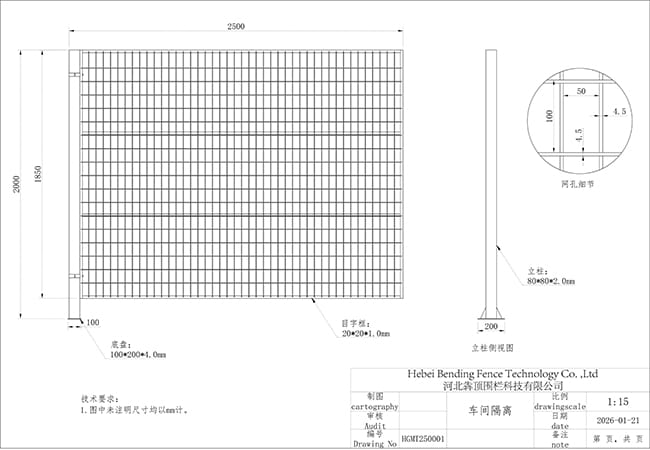
30+ years metal fence design experience, 30+ technical team; modular & scene-specific customization
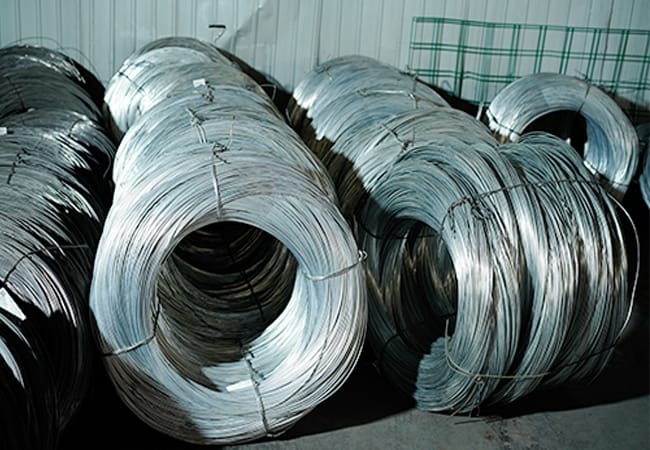
We select high-quality steel with strict testing, ensuring durability, corrosion resistance and stable performance for all fence products.
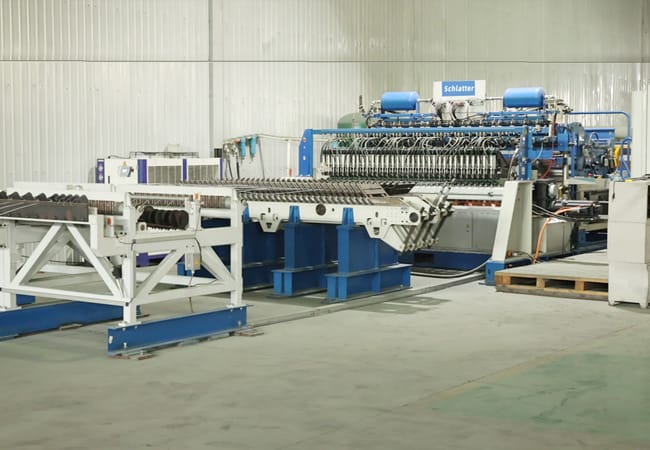
We adopt precise and solid welding technology, ensuring firm connection, smooth surface and high structural stability for fences.
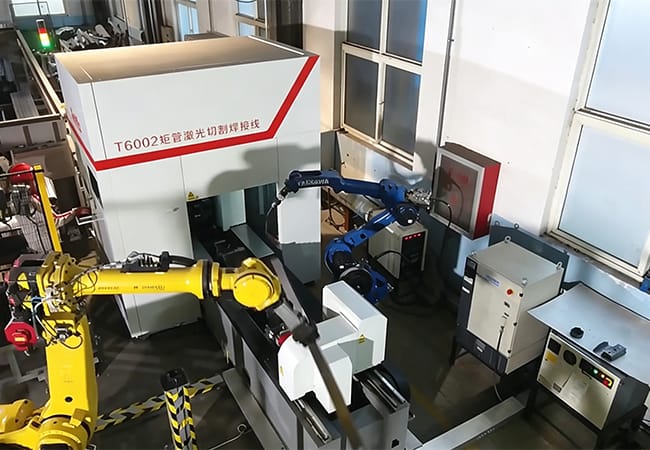
Our fence posts are sturdy, load-bearing, anti-corrosion and precisely sized for easy installation and long service life.
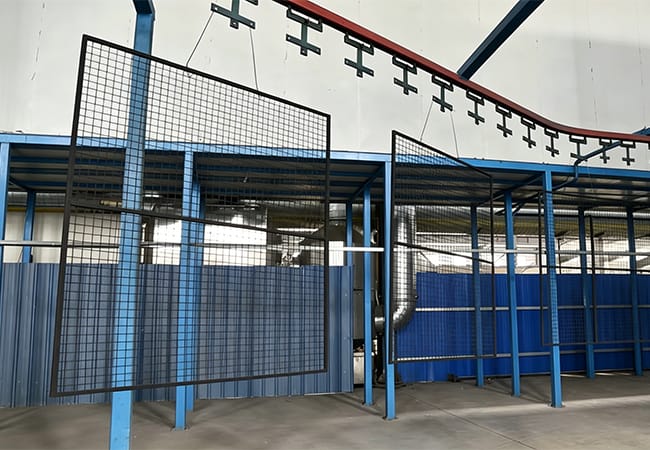
Professional surface treatment ensures excellent corrosion resistance, weatherability and long-lasting finish for fences.

Strict quality inspection at each process ensures fence quality meets standards, with no defects and stable performance.
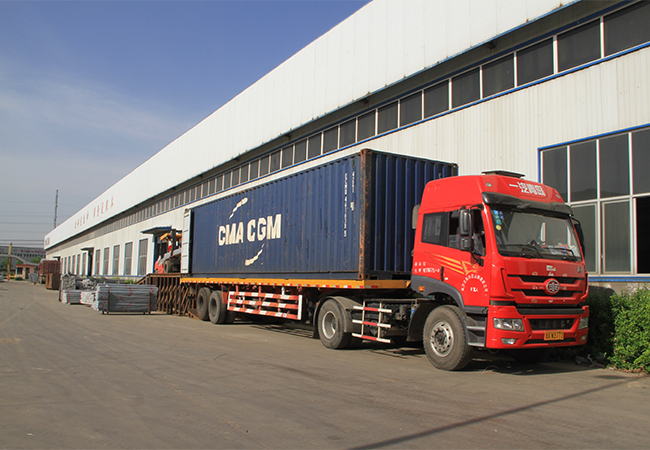
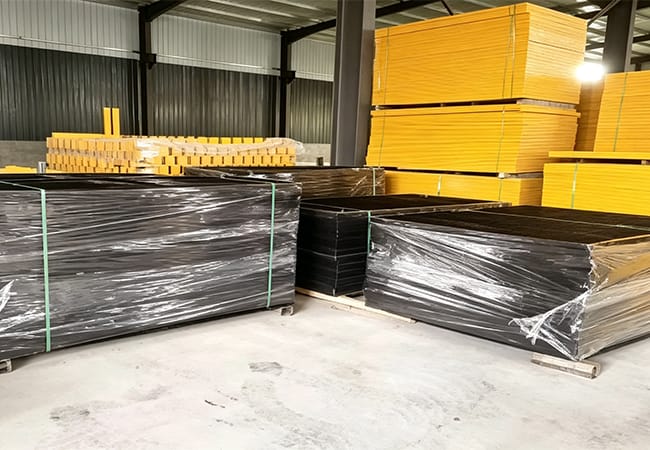
Standardized packaging protects products well; safe and efficient shipping ensures on-time delivery to global customers.
Related Product

Detailed Installation Process for All Welded Type
The installation of mesh panel workshop fence requires strict adherence to operational standards and detailed steps to ensure the overall stability, safety and practicality of the fence. Below is the expanded and detailed installation process, with in-depth explanations of each step, key points and precautions:
1. Site Preparation & Position Marking
Before starting the installation, thorough site preparation is the foundation to ensure the smooth progress of subsequent operations. First, clear the entire installation area (workshop, warehouse or industrial zone), remove all obstacles such as equipment, debris, cables and sundries that may affect the installation, and clean the ground to avoid interference with positioning and assembly. Then, use a level to check the flatness of the installation ground; if there are local uneven areas, level them with cement mortar or padding to ensure that the fence posts can be fixed stably and evenly. Next, according to the design drawings and actual workshop division requirements, use professional measuring tools (such as tape measure, ink line and level) to mark the position of each fence post and the layout range of mesh panels. The installation position should be consistent with the workshop zoning plan, and the foundation of each post should be marked to ensure sufficient bearing capacity. At the same time, mark the alignment lines to ensure the straightness and verticality of the entire mesh panel workshop fence structure.
2. Fence Post Fixing & Installation
Fence post fixing and installation are core links affecting the overall stability of the mesh panel workshop fence, and every detail needs to be strictly controlled. First, check the fence posts (steel posts or aluminum posts) for any damage or deformation; ensure all posts and connecting accessories (base plates, expansion bolts, nuts) are intact. Then, fix the posts firmly to the ground or workshop floor according to the marked positions: for concrete floors, use expansion bolts to fix the post base plates; for soil ground, embed the posts into the soil and backfill with compacted soil or concrete to enhance stability. Erect the posts vertically, adjust their verticality with a plumb line, and tighten the fixing bolts to ensure no shaking. Align the posts accurately along the marked lines, and keep consistent spacing between adjacent posts (usually 2-3 meters) to match the size of mesh panels. Check the height and alignment of each post to avoid skewing during subsequent panel installation.
3. Mesh Panel Installation & Connection
After the fence posts are fully fixed and adjusted, mesh panel installation and connection can be carried out. First, check the mesh panels for any damage, mesh deformation or surface coating damage; ensure all panels are intact and meet the installation requirements. Then, lift the mesh panels to the position between two adjacent posts, align the pre-drilled holes on the panel frames with the holes on the posts, and fix them with bolts and nuts. Tighten the fasteners evenly to ensure the panel is closely attached to the posts, with no gaps or looseness. Install adjacent mesh panels in sequence, and connect the joints between panels with connecting clips or bolts to form an integrated isolation system. For double-layer mesh panels, install the inner and outer layers in sequence, keeping consistent spacing to enhance protection performance. Ensure the mesh surface is flat and the panel frames are not distorted, which guarantees the fence’s stability and isolation effect.
4. Accessory Installation & Reinforcement
Accessory installation and reinforcement directly affect the structural integrity and service life of the mesh panel workshop fence. First, install the top rail and bottom rail (if equipped) on the fence posts and mesh panels, and fix them firmly with bolts to enhance the overall rigidity of the fence. For areas requiring enhanced protection, install anti-climb brackets or warning signs on the top of the fence. Check all connecting bolts, nuts and clips, and re-tighten any loose parts to ensure firm connection. Reinforce the joints between panels and posts, and between adjacent panels, to prevent deformation or detachment during daily use. Pay special attention to the corners and turns of the fence, and install corner posts or reinforcement plates to ensure structural stability. Double-check all accessories to ensure no missing or damaged parts, which provides reliable protection for long-term workshop use.
5. Alignment & Stability Check
After the installation of posts, mesh panels and accessories is completed, a comprehensive alignment and stability check is required to ensure that the installation quality meets the standards. First, use a level and plumb line to check the verticality of the posts and the flatness of the mesh panels: verticality error should not exceed 5mm per meter, and horizontal alignment should be consistent with the workshop zoning design. Then, check the overall straightness and structural stability: gently push the fence panels to ensure no obvious shaking, displacement or loose connections. Check the tightness of all fasteners and the integrity of the mesh surface. If any problems are found (such as skewing, loose connections, deformed panels), adjust and reinforce them immediately to ensure structural safety and practicality.
6. Site Cleaning & Final Acceptance
The final step of the installation process is site cleaning and acceptance, which ensures the neatness of the workshop and confirms that the installation is up to standard. First, remove excess bolts, nuts, packaging materials and installation tools from the installation site, and clean the surface of the mesh panel workshop fence to remove dust, stains and fingerprints, maintaining a neat and professional appearance. Then, carry out comprehensive acceptance according to the design drawings and workshop safety standards: check the fence dimensions, post spacing, panel alignment, connection firmness and surface quality; check for mesh damage, coating peeling or loose components; verify the isolation effect and structural stability. After the acceptance is qualified, the installation work is officially completed. If unqualified items are found, they should be rectified immediately until they meet the workshop use standards.
Note
During the entire installation process, construction personnel should wear protective equipment (such as safety helmets, gloves and safety shoes) to ensure construction safety. In addition, pay attention to the protection of the mesh panel surface during installation to avoid damage to the surface treatment layer (such as galvanizing, PVC coating) which may affect the corrosion resistance and service life of the fence. During installation, avoid collision with workshop equipment and cables to prevent equipment damage or safety hazards.
All Welded Type by Hebei BD Fence Technology
Hebei Bendin Industrial Technology Co., Ltd., located in Anping—the renowned “China Wire Mesh Hometown” of Hebei Province, is a professional manufacturer and exporter of high-quality metal fencing and mesh panel workshop fence solutions with over 30 years of industry expertise. Our Mesh Panel Workshop Fence is a flagship industrial isolation system, engineered with heavy-duty welded mesh panels and sturdy steel posts for exceptional stability, visibility and practicality.
Crafted from premium low-carbon steel wires via automatic precision welding, our Mesh Panel Workshop Fence features a rigid frame structure, strong tensile strength and excellent wear resistance. The ventilated mesh design ensures good visibility and air circulation, making it ideal for workshop zoning and equipment protection. We offer reliable surface treatments—electro galvanized, hot-dip galvanized, PVC coating and spray painting—ensuring outstanding corrosion, rust and wear resistance for long-lasting performance in indoor workshop, warehouse and industrial environments, with a service life of up to 20+ years.
Main Applications of All Welded Type
Its main applications cover a wide range of industrial fields with high requirements for space division, safety protection and practicality.
In factory workshops, it is widely used for production zone division, assembly line isolation, equipment protection and workshop safety enclosure.
In warehouses, it serves as an ideal solution for goods area separation, inventory classification, dangerous goods isolation and warehouse safety protection.
For industrial plants, it is suitable for workshop partition, machine tool protection, material storage isolation and staff safety zoning.
In logistics centers, it can be used for cargo sorting area division, loading and unloading zone isolation, and logistics equipment protection.
In processing workshops, it provides reliable isolation for different processing zones, avoiding mutual interference and ensuring production safety.
Core Advantages
High Structural Stability: Rigid welded mesh and sturdy steel posts design, with excellent stability and anti-deformation performance for long-term use.
Superior Durability: Professional surface treatment with strong rust-proof, wear-resistant and corrosion-resistant properties, adapting to industrial environments.
Good Visibility & Ventilation: Woven mesh design ensures clear visibility and smooth air circulation, convenient for workshop management and operation.
Cost-Effective: Modular design for fast installation, easy disassembly and reuse; low maintenance and long service life reduce overall costs.
Strong Flexibility: Customizable panel size and post spacing, suitable for various workshop sizes and zoning requirements, easy to adjust and expand.