


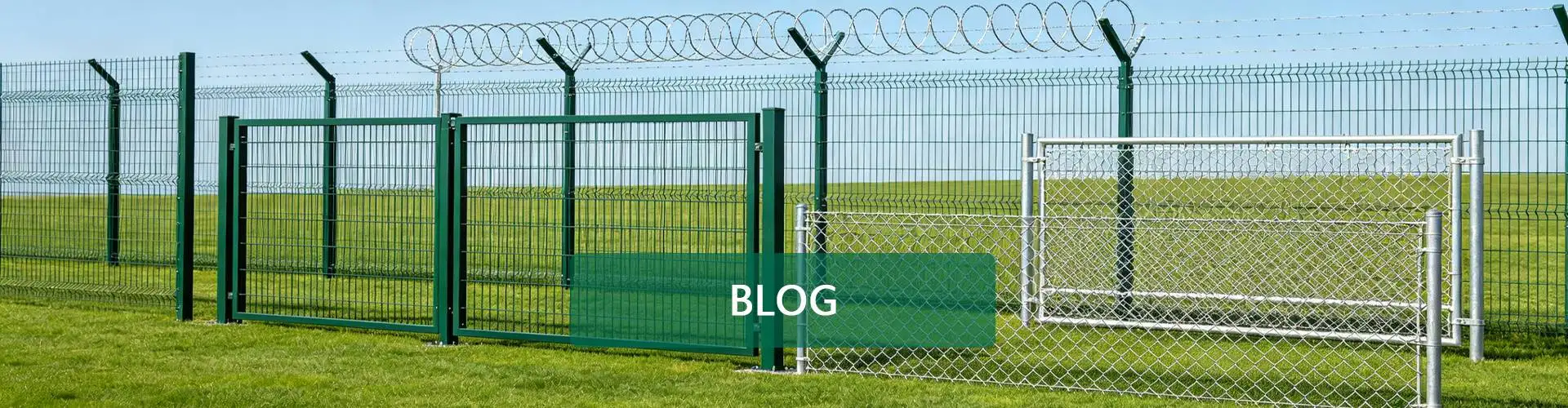
Steel tubular fencing is one of the most popular perimeter security solutions for commercial, industrial, municipal, educational, and residential projects. Its combination of strength, attractive appearance, and long service life makes it a preferred choice in more than 70 countries.
However, buyers often receive very different quotations from different manufacturers, even when the fence appears almost identical in drawings or photographs.
The reason is simple: the selling price of a steel tubular fence is not determined by a single factor. Instead, it is influenced by raw materials, manufacturing standards, coating systems, structural design, accessories, project quantity, transportation, and installation requirements.
Understanding these cost factors helps buyers compare quotations more accurately and select the most suitable fencing solution instead of simply choosing the lowest price.
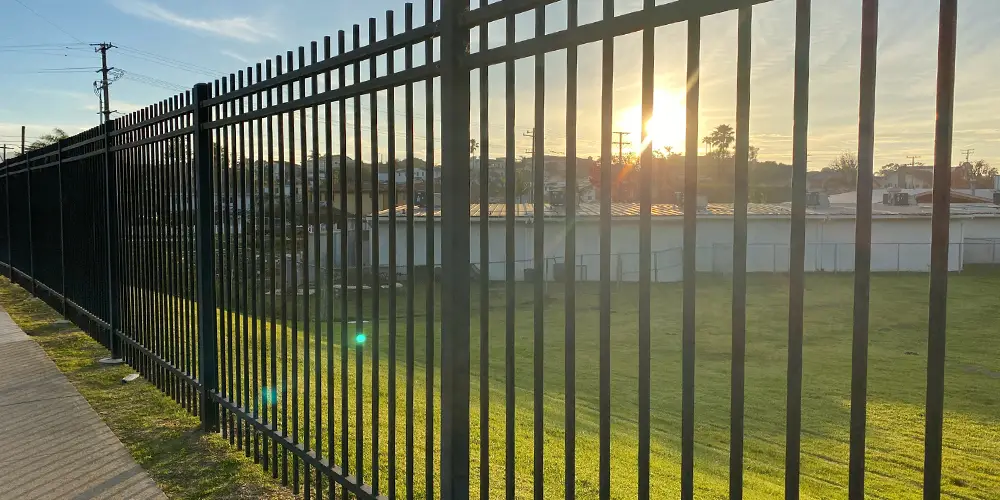
Why Steel Tubular Fence Prices Can Be So Different
Many buyers ask a simple question:
“How much does a steel tubular fence cost per meter?”
Unfortunately, there is no universal answer.
Professional manufacturers calculate prices according to engineering specifications rather than a fixed price list. Two fences may look similar from a distance, but the difference in steel quality, tube thickness, coating, and fabrication process can create significant differences in both price and service life.
The main factors affecting the final quotation include:
Steel material cost
Tube dimensions
Wall thickness
Fence height
Welding quality
Surface treatment
Gate systems
Accessories
Packaging
Shipping
Installation conditions
Every project combines these factors differently, which is why quotations vary.
Steel Material Cost Is the Largest Pricing Factor
Steel is the primary raw material used in tubular fencing and usually represents the largest proportion of the manufacturing cost. Changes in steel prices directly influence the final selling price of every fence panel and post.
Selecting the right steel is not only about reducing cost but also about ensuring long-term structural reliability.
Raw Material Quality
Not all steel tubes are manufactured to the same standard.
High-quality steel offers:
Higher tensile strength
Better dimensional accuracy
Improved welding performance
Greater resistance to deformation
Longer service life
Lower-grade steel may reduce the initial quotation but often results in bending, corrosion, or structural failure after years of outdoor exposure.
For commercial and industrial projects, investing in higher-quality steel generally reduces maintenance costs throughout the fence’s lifecycle.
Steel Material Market Fluctuations
Steel prices change throughout the year due to global market conditions, production capacity, transportation costs, and raw material supply.
These fluctuations directly influence the production cost of steel tubular fencing.
For large projects, many contractors confirm orders quickly after receiving quotations to avoid future increases in steel prices.
Long-term cooperation with an experienced manufacturer also helps stabilize pricing for repeat orders.
Tube Dimensions Affect Material Consumption
The dimensions of steel tubes determine both the appearance and structural performance of a tubular fence.
Larger tubes require more steel, increasing material consumption and manufacturing costs while providing greater strength.
Vertical Pickets
Common vertical picket sizes include:
16 × 16 mm
19 × 19 mm
25 × 25 mm
Smaller pickets are suitable for decorative fencing, while larger sections are commonly selected for commercial and industrial security applications.
Horizontal Rails
Horizontal rails support the entire fence panel and transfer loads to the posts.
Typical rail sizes include:
30 × 30 mm
40 × 40 mm
40 × 60 mm
50 × 50 mm
Selecting the appropriate rail size depends on:
Fence height
Wind load
Panel width
Security level
Local engineering requirements
Larger rails improve rigidity but increase steel consumption.
Wall Thickness Has a Major Impact on Fence Cost
Wall thickness is one of the easiest specifications to overlook when comparing quotations.
Two fence panels may have identical external dimensions while containing very different amounts of steel.
Common Wall Thickness Options
Manufacturers typically offer:
1.0 mm
1.2 mm
1.5 mm
2.0 mm
Thicker tubes improve:
Structural stability
Wind resistance
Impact resistance
Overall durability
Although thicker steel increases manufacturing costs, it usually delivers a much longer service life.
Choosing the Right Thickness
The ideal wall thickness depends on the application.
For example:
Residential projects generally prioritize appearance and cost efficiency.
Industrial facilities require stronger structural performance.
Government infrastructure often specifies minimum wall thickness in project documentation.
Choosing a specification that matches the project’s actual requirements prevents unnecessary spending while maintaining safety.
Fence Height and Panel Size Influence Production Costs
The dimensions of each fence panel directly affect steel consumption, fabrication time, and transportation costs.
Higher fences require additional raw materials and stronger supporting structures.
Common Fence Heights
Typical heights include:
1200 mm
1500 mm
1800 mm
2100 mm
2400 mm
As fence height increases, manufacturers usually recommend stronger posts and larger rails to maintain structural integrity.
Panel Width
Standard panel widths generally range from:
2000 mm
2400 mm
3000 mm
Wider panels reduce the number of posts required for a project but increase the weight of each individual panel.
Finding the correct balance between panel width and structural strength helps optimize both manufacturing and installation costs.
Manufacturing Process Also Influences Price
A steel tubular fence is much more than a collection of welded tubes.
Modern production involves multiple precision manufacturing stages, each contributing to product quality and overall cost.
Precision Fabrication
Professional production typically includes:
Tube cutting
CNC punching
Automatic welding
Weld grinding
Surface cleaning
Quality inspection
High-precision manufacturing ensures every panel fits accurately during installation, reducing labor costs on site.
Automatic Welding Equipment
Automatic welding systems provide consistent weld quality and higher production efficiency.
Compared with manual welding, automated production offers:
More uniform welds
Better dimensional consistency
Reduced production defects
Improved appearance
Although automated production requires greater investment in equipment, it produces more reliable fencing systems for large commercial projects.
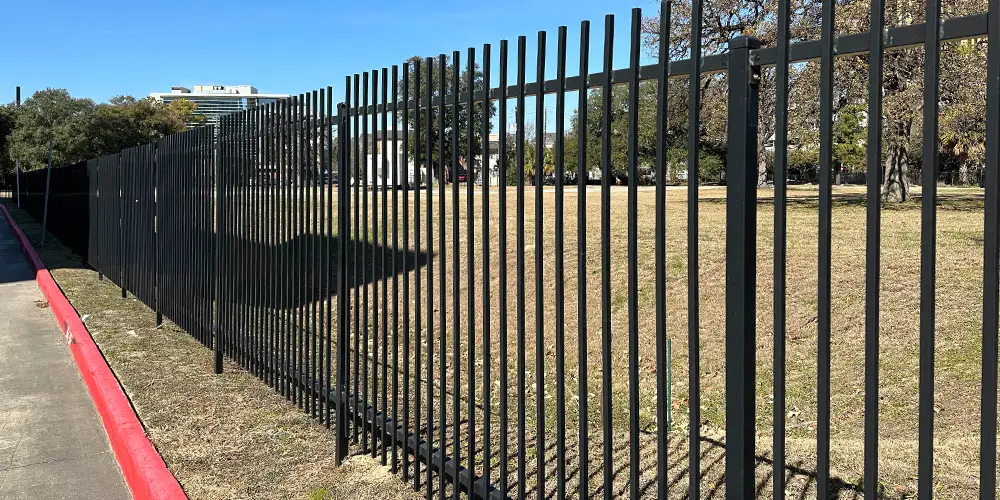
Surface Treatment Significantly Affects Long-Term Value
Surface treatment is one of the most important factors influencing both the purchase price and the service life of a steel tubular fence. A high-quality coating system protects the steel from corrosion, reduces maintenance costs, and extends the fence’s lifespan.
The most suitable coating depends on the installation environment, expected service life, and project budget.
Pre-Galvanized Steel
Pre-galvanized steel is manufactured from galvanized steel tubes before fabrication.
Advantages include:
Lower manufacturing cost
Smooth surface finish
Suitable for mild environments
Faster production
This option is commonly used for residential developments and low-corrosion environments.
Hot-Dip Galvanized Steel
Hot-dip galvanizing is widely recognized as one of the most effective corrosion protection methods for outdoor fencing.
Benefits include:
Thick zinc coating
Excellent corrosion resistance
Longer service life
Lower maintenance requirements
It is recommended for:
Coastal areas
Industrial facilities
Infrastructure projects
Public security fencing
Although hot-dip galvanizing increases the initial investment, it often reduces the total ownership cost over the life of the fence.
Powder Coating System
Powder coating is applied after galvanizing to provide an additional protective layer and an attractive appearance.
Its advantages include:
UV resistance
Weather resistance
Scratch resistance
Wide range of RAL colors
Better visual appearance
For commercial buildings, schools, residential communities, and government projects, galvanized plus powder-coated tubular fencing has become the preferred solution.
Posts and Connection Systems Also Affect Project Cost
Fence panels cannot perform properly without a stable support system.
The specifications of fence posts directly influence structural stability, installation efficiency, and overall project cost.
Fence Posts
Common post sizes include:
50 × 50 mm
60 × 60 mm
80 × 80 mm
Post selection depends on:
Fence height
Wind load
Panel weight
Installation method
Larger posts provide higher structural strength but require more steel.
Connection Accessories
A complete tubular fence system normally includes:
Brackets
Clamps
Bolts
Screws
Post caps
Base plates
Although these accessories account for a relatively small percentage of the total project cost, they play an essential role in ensuring installation quality and long-term stability.
Gate Systems Can Significantly Increase the Total Budget
Many buyers focus only on fence panels while overlooking the cost of gates.
In reality, gate systems often represent one of the highest-value components in a fencing project.
Pedestrian Gates
Pedestrian gates are commonly installed for:
Schools
Residential communities
Office buildings
Parks
Pricing depends on:
Gate dimensions
Lock system
Frame specifications
Surface treatment
Vehicle Gates
Industrial facilities frequently require:
Swing gates
Sliding gates
Cantilever gates
Additional options include:
Electric motors
Access control
Remote operation
Safety sensors
Automation improves convenience but also increases the overall project investment.
Packaging and Transportation Should Not Be Ignored
For export projects, packaging and shipping represent an important part of the total procurement cost.
Professional packaging protects the products during long-distance transportation and reduces the risk of damage.
Export Packaging
Typical packaging methods include:
Steel pallets
Wooden pallets
Plastic film wrapping
Protective foam
Steel straps
The packaging method is selected according to transportation requirements and customer preferences.
Container Loading Efficiency
Efficient container loading reduces freight costs.
Professional manufacturers optimize:
Panel stacking
Post arrangement
Accessory packaging
Container utilization
Better loading efficiency lowers the average transportation cost per fence panel.
Order Quantity Influences Unit Price
Production efficiency improves as order quantity increases.
Large projects usually benefit from:
Better raw material purchasing
Reduced production setup costs
Higher manufacturing efficiency
Improved container utilization
Small orders generally have higher unit costs because fixed production expenses are shared across fewer products.
Installation Requirements Affect the Final Project Budget
Installation costs vary according to project conditions rather than product specifications alone.
Important considerations include:
Foundation type
Ground conditions
Terrain
Installation equipment
Labor availability
Projects on uneven terrain or with strict engineering requirements often require additional installation work.
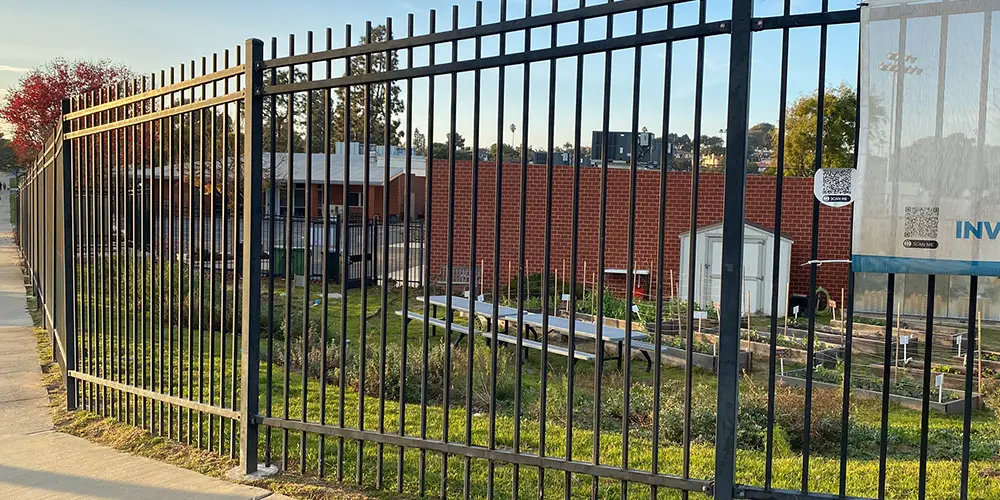
How to Reduce Steel Tubular Fence Cost Without Reducing Quality
Reducing project costs does not necessarily mean purchasing the cheapest fence.
Professional buyers usually optimize specifications instead of sacrificing quality.
Recommended approaches include:
Select standard panel sizes whenever possible.
Choose the appropriate tube dimensions based on actual security requirements.
Avoid unnecessary customization.
Order complete fencing systems from one manufacturer.
Optimize container loading for international shipping.
Confirm engineering drawings before production begins.
These strategies often provide better long-term value than simply selecting the lowest quotation.
Why Choose BDFENCE?
Hebei Bendin Industrial Technology Co., Ltd. (BDFENCE) specializes in manufacturing steel tubular fencing for commercial, industrial, municipal, and infrastructure projects worldwide.
Our advantages include:
More than 30 years of fencing manufacturing experience
15,000㎡ manufacturing facility
190+ skilled employees
80+ advanced production machines
ISO 9001 Quality Management System
CE certification
Export experience in more than 70 countries
Complete OEM and ODM manufacturing services
From design consultation to production, quality inspection, packaging, and international delivery, BDFENCE provides complete fencing solutions for global customers.
FAQ
What is the biggest factor affecting steel tubular fence price?
Steel material cost is usually the largest factor, followed by tube dimensions, wall thickness, surface treatment, and gate systems.
Does thicker steel always provide better value?
Not necessarily. The appropriate wall thickness should match the project’s security requirements and engineering specifications.
Is hot-dip galvanized fencing worth the additional cost?
For outdoor projects requiring long service life and low maintenance, hot-dip galvanized fencing generally provides better long-term value.
Can BDFENCE manufacture customized steel tubular fences?
Yes. BDFENCE provides customized manufacturing based on project drawings, dimensions, colors, coating systems, and security requirements.
Contact BDFENCE
Hebei Bendin Industrial Technology Co., Ltd.
Website: https://bd-fence.com/
Phone: +86 18703182863
WhatsApp: +86 18703287372
Email: info@bd-fence.com