

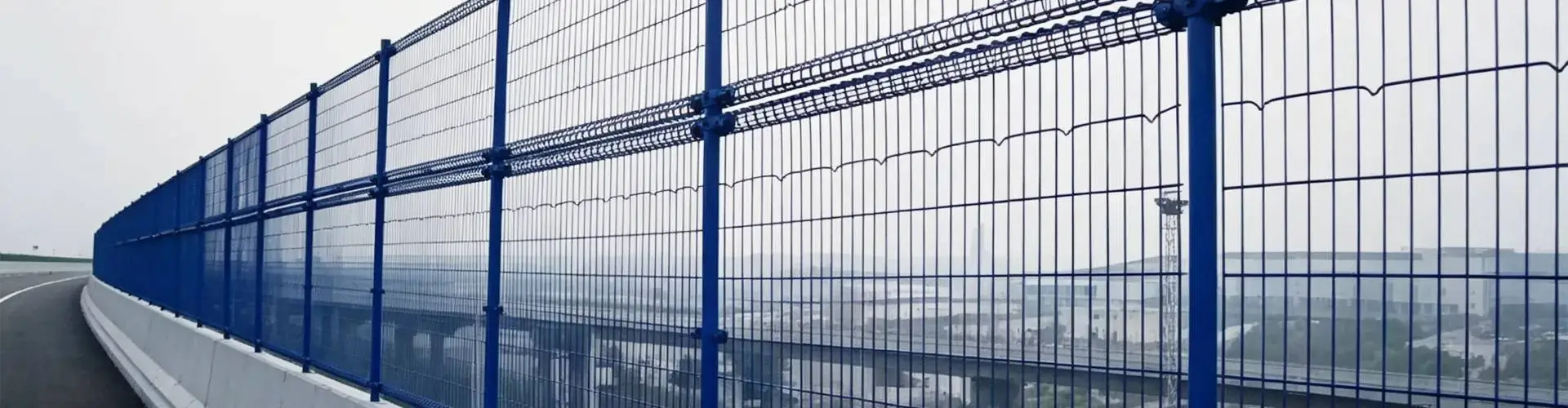
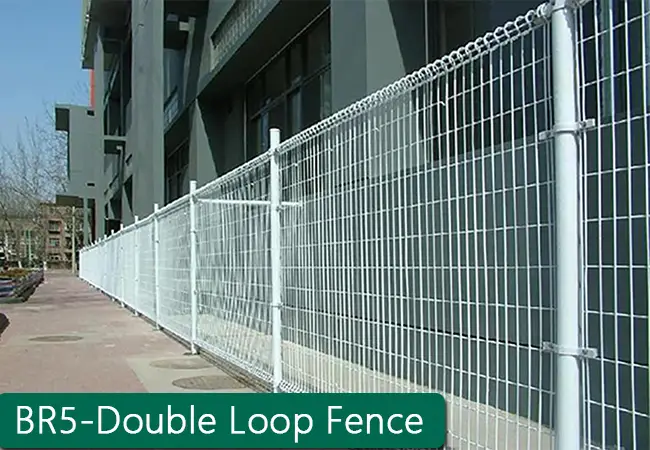
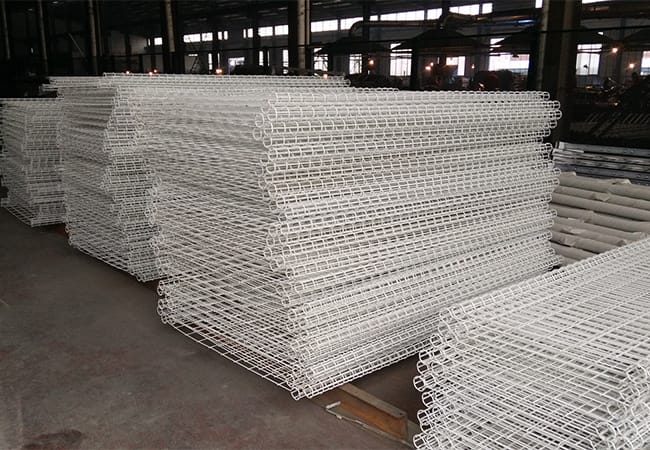
Double Loop Fence Core Advantages
1. High Flexibility & Impact Resistance
Double‑loop wire design absorbs impact – resists deformation under pressure.
2. Elegant Appearance
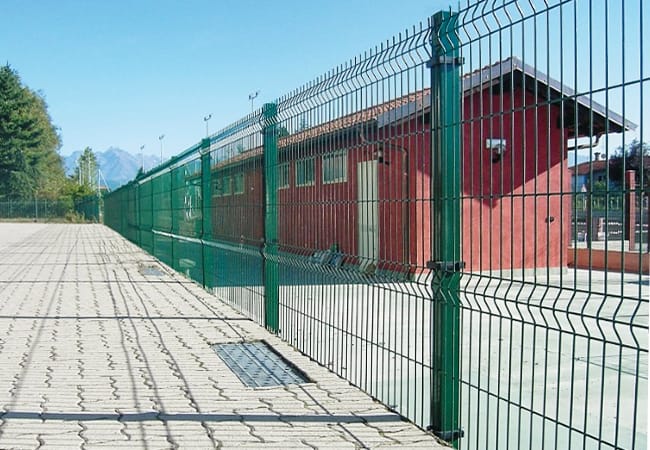
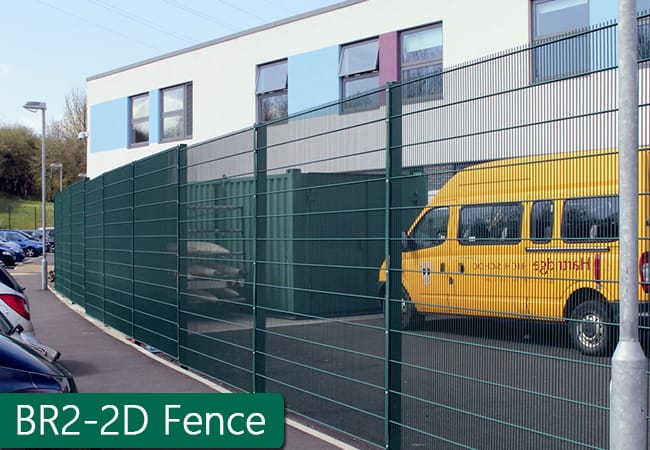
Smooth integrated loops – classic European style for gardens, parks and schools.
3. Corrosion & Weather Resistant
Hot‑dip galvanized + PVC coated – long outdoor life, no rust.
4. Lightweight & Fast Installation
Modular panels, no welding. Saves labor and time.
Product Details– BDFENCE
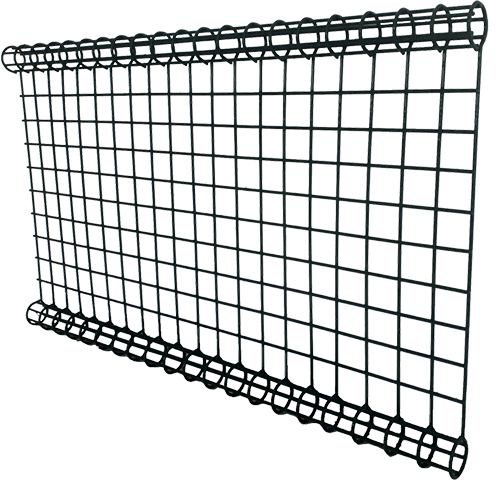
Double Loop Fence Specifications
| Parameter | Specifications |
|---|---|
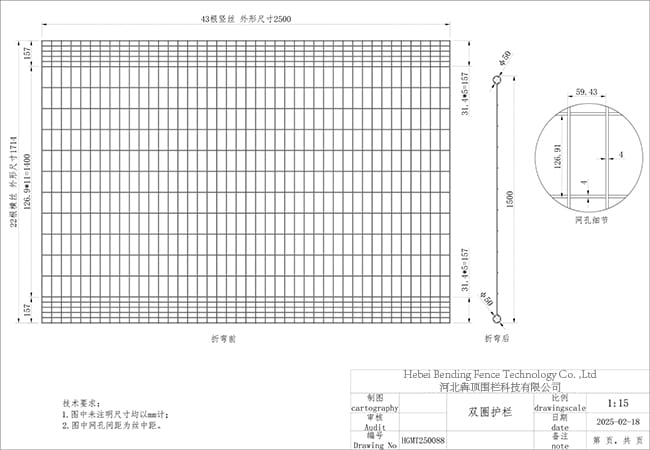
| Wire Diameter | 4.0 mm / 4.5 mm / 5.0 mm / 6.0 mm |
| Hole Size | 50×100 mm, 50×200 mm, 55×200 mm, 75×150 mm |
| Panel Length | 2.0 m / 2.2 m / 2.4 m / 2.5 m |
| Panel Height | 830 mm / 1030 mm / 1230 mm / 1530 mm / 1830 mm / 2030 mm |
| Number of Bends | 2 / 3 / 4 |
| Common Color | Green RAL6005 / Grey RAL7016 / Brown RAL8019 / Black RAL9005 / White RAL9010 |
| Steel Grade | Low‑carbon steel |
| Surface Treatment | Hot‑dip galvanized + PVC coated |
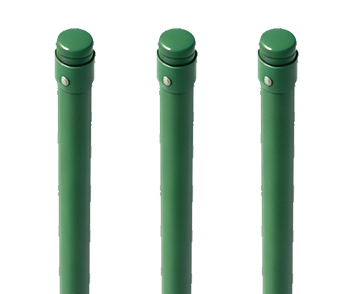
Recommended Post
| Parameter | Recommended Specification |
|---|---|
| Post Type | Round Pipe Post |
| Post Diameter | 48 mm (1.9″) or 60 mm (2.36″) OD |
| Thickness | 1.5 mm / 2.0 mm |
| Post Material | Hot‑dip galvanized steel pipe |
| Post Height | 830 mm / 1030 mm / 1230 mm / 1530 mm / 1830 mm / 2030 mm |
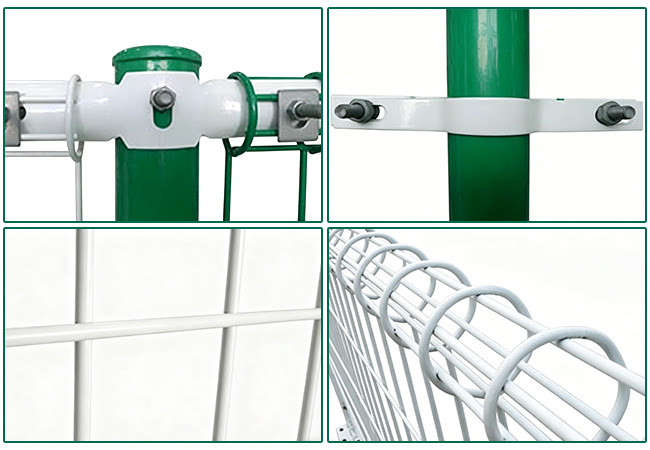
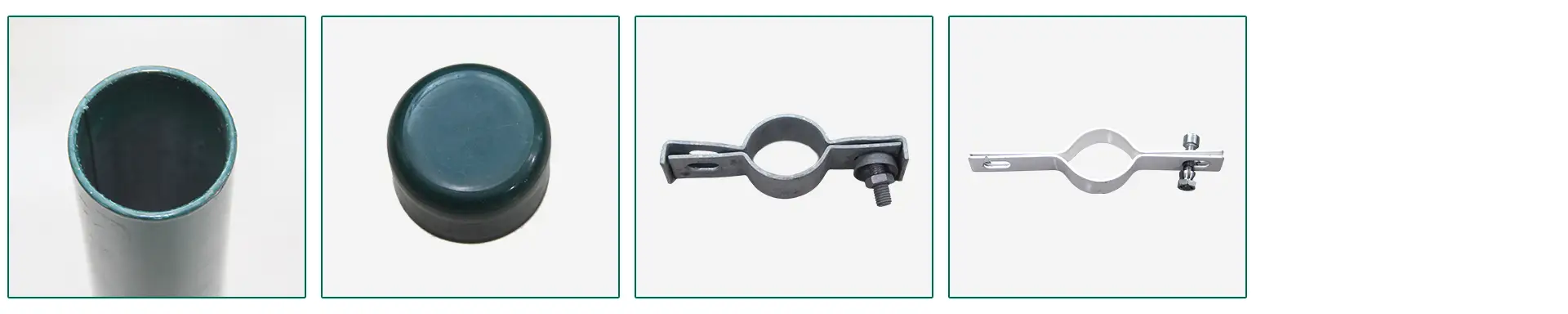
Special Accessories
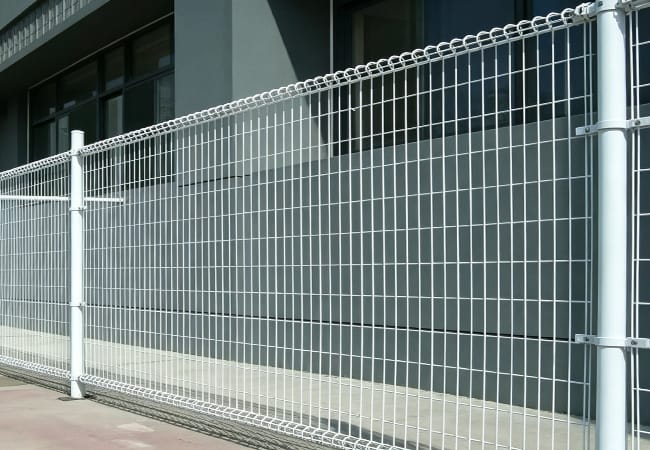
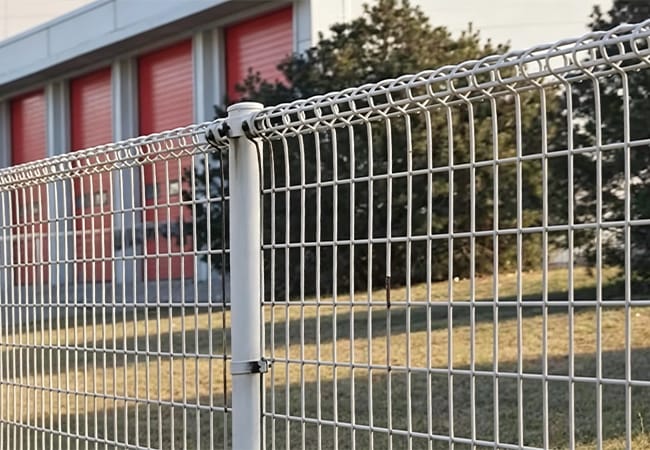
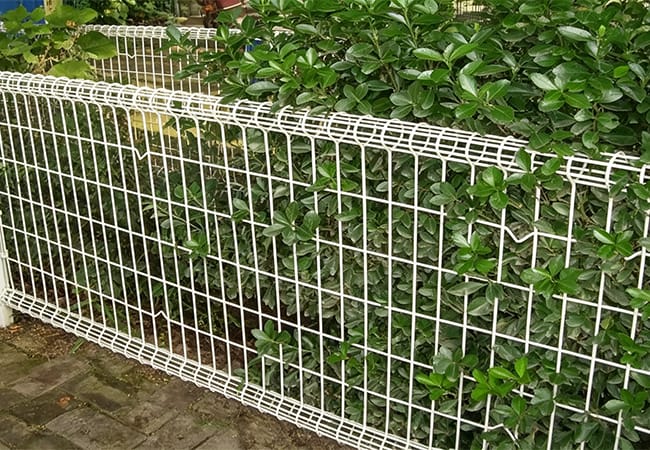
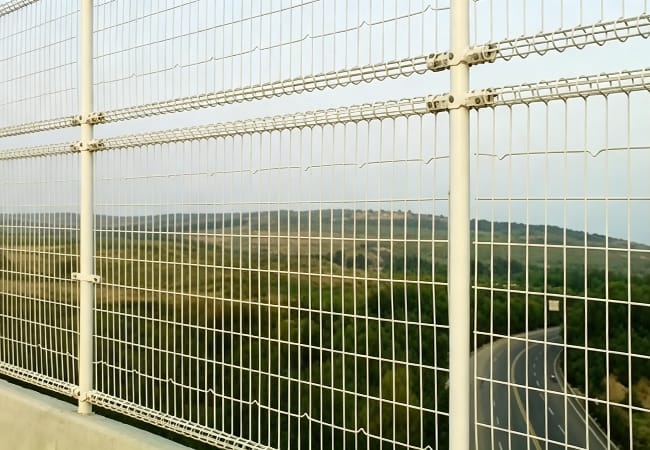
Applications of Double Loop Fence
Detailed Installation Process for Double Loop Fence
The installation of double loop fence requires strict adherence to operational standards and detailed steps to ensure the overall stability, safety and aesthetic appearance of the fence. Below is the expanded and detailed installation process, with in-depth explanations of each step, key points and precautions:
1. Site Preparation & Line Marking
Before starting the installation, thorough site preparation is the foundation to ensure the smooth progress of subsequent operations. First, clear the entire construction area, remove all obstacles such as stones, weeds, garbage and sundries that may affect the installation, and clean the ground to avoid interference with positioning and assembly. Then, use a level to check the flatness of the installation ground; if there are local uneven areas, level them with compacted gravel or sand to ensure that the fence posts and panels can be placed stably and evenly. Next, according to the design drawings and actual installation requirements, use professional measuring tools (such as tape measure, theodolite and ink line) to mark the layout range and installation position of each post and panel. Mark the alignment lines clearly to ensure the straightness and verticality of the entire double loop fence structure.
2. Post Installation & Fixing
Post installation and fixing are core links affecting the overall stability of the double loop fence, and every detail needs to be strictly controlled. First, place the posts accurately along the marked lines, keeping equal spacing between each post as designed. For embedded installation, dig holes of proper depth, place the posts vertically and fix them with concrete to ensure firmness. For surface-mounted installation, use expansion bolts to secure posts to the hard ground firmly. Check the verticality and levelness of each post with a level tool to avoid skewing, and ensure all posts are aligned in a straight line for stable panel connection.
3. Fence Panel Placement & Connection
After posts are fixed stably, you can start to install double loop fence panels. First, lift the panels carefully and place them between two adjacent posts, aligning the connecting holes of panels and posts accurately. Use high-strength bolts, clips or special connectors to fasten panels to posts tightly, ensuring no gaps or looseness. Connect all panels in sequence along the marked line, and adjust the position and levelness of each panel to maintain overall consistency. For long-distance fencing, keep the panels aligned horizontally and vertically to enhance structural stability and aesthetic effect.
4. Fastening & Stability Adjustment
Fastening and stability adjustment directly affect the structural integrity and service life of the double loop fence. First, check all connecting bolts, clips and fixing parts, and tighten them fully with professional tools to ensure firm connection. Adjust the position of posts and panels if any deviation or skewing is found, and reinforce loose connections immediately. Check the firmness of each joint to ensure the fence structure is stable without shaking or deformation. Proper adjustment ensures the fence can withstand external impact and maintain long-term stability.
5. Gate Installation & Alignment
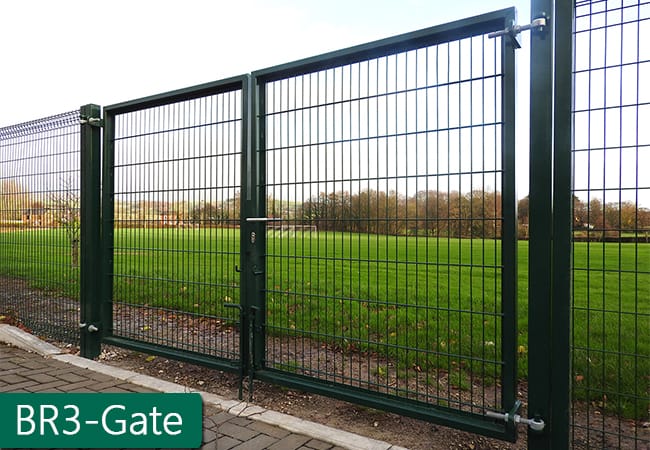
If the project includes a matching double loop fence gate, install it after the main fence structure is completed. First, install the gate posts firmly with concrete or expansion bolts, ensuring verticality and stability. Then hang the gate to the posts with heavy-duty hinges, and adjust the hinge position to keep the gate level and well-aligned. Install the lockset, latch and other accessories correctly, and test the opening and closing function of the gate repeatedly to ensure smooth operation without jamming. Check the gap between the gate and adjacent panels to ensure safety and aesthetics.
6. Site Cleaning & Final Acceptance
The final step of the installation process is site cleaning and acceptance, which ensures the aesthetic appearance of the fence and confirms that the installation is up to standard. First, remove excess debris, wire scraps and installation waste from the construction site, and clean the surface of the double loop fence to maintain a neat appearance. Then, carry out comprehensive acceptance according to the design drawings and installation standards: check the fence dimensions, alignment, verticality, connection firmness and surface integrity; check for mesh damage, rust or loose components; verify overall stability and protection performance. After the acceptance is qualified, the installation work is officially completed. If unqualified items are found, they should be rectified immediately until they meet the acceptance standards.
Note
During the entire installation process, construction personnel should wear protective equipment (such as safety helmets, gloves and safety shoes) to ensure construction safety. In addition, pay attention to the protection of the fence mesh surface during installation to avoid damage to the surface treatment layer (such as galvanizing, PVC coating) which may affect the corrosion resistance and service life of the fence.
Why Choose BDFENCE for Double Loop Fence?
1. Premium Steel & Dual Coating
We use Q235 low‑carbon steel with hot‑dip galvanizing + PVC coating. Rust‑free, weather‑proof – 25+ years life.
2. Full Customization
Wire diameters 4.0–6.0mm, heights 830–2030mm, lengths 2.0–2.5m, 4 mesh openings, 5 RAL colors. Square posts 50×50 or 60×60 – tailored for residential, school, park projects.
3. Unique Double‑Loop Design
Double‑ring structure absorbs impact, prevents deformation. Smooth loops – no sharp edges, safe for public areas.
4. Fast, Welding‑Free Installation
Lightweight panels + clip system – no special tools. Save 30% labor cost.
5. Factory Direct – Quality & Price
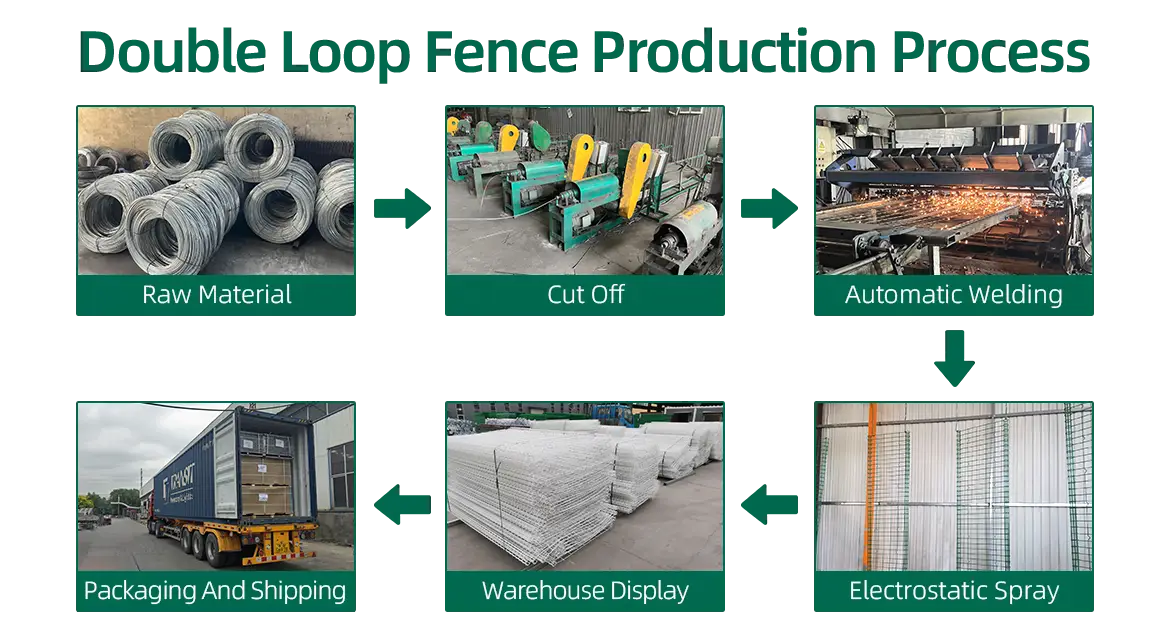
In‑house wire drawing, looping, welding, coating, post forming. Strict QC, fast lead time (15 days), competitive pricing.
6. Global Landscape & Security Experience
Supplied gardens, schools, parks and factories across Netherlands, Germany, France, UK, Italy and more.
📌 In short: Double‑loop flexibility + full coating + square post system + elegant appearance = BDFENCE, your reliable double loop fence partner.