


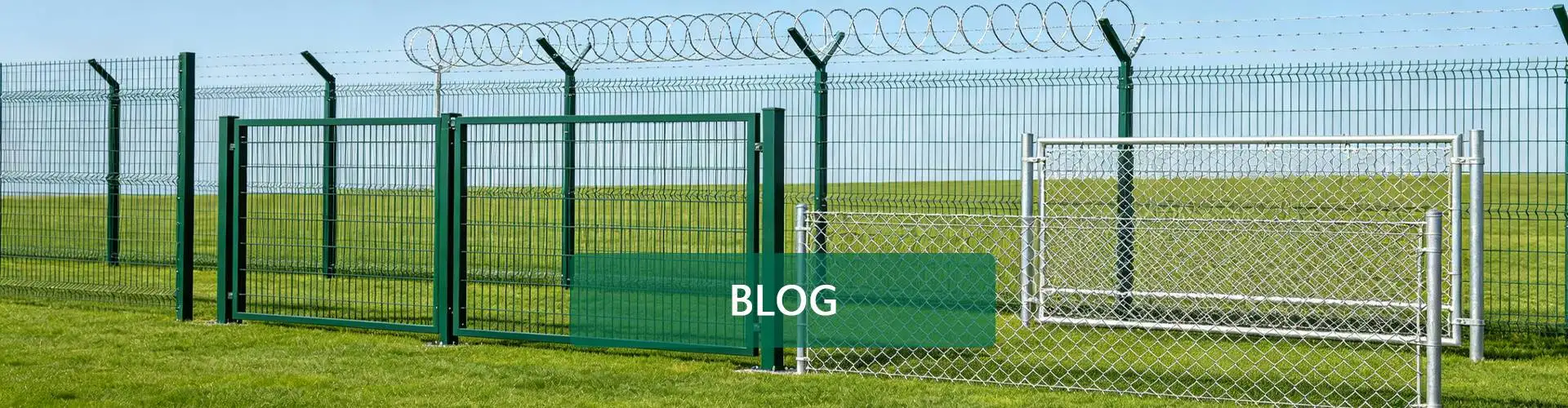
A warehouse contractor in South Africa needs fencing around a loading yard. The property manager wants a neat appearance along the office frontage, while the operations team needs a practical boundary around vehicle access and storage areas. Should they use the same steel fence throughout the site?
Not necessarily. A fence that suits a public-facing commercial property may not be the best choice for a busy factory entrance. Panel height, picket spacing, steel tube dimensions and gate design all influence the final specification.
Steel Tubular Fence offers several configuration options for commercial and industrial boundaries. However, the product name alone does not tell a buyer how the panels are built or what the quotation includes.
For South African importers, fencing contractors and project buyers, the useful starting point is to match the product to the site. This guide explains which details to check before requesting a factory quotation and comparing suppliers.
Key Takeaways
- Choose the fence configuration according to the property’s use, access requirements and approved design.
- Check tube dimensions, wall thickness and picket spacing instead of comparing panel prices alone.
- Flat-top and spear-top panels serve different architectural preferences; neither automatically determines the fence’s security performance.
- Consider the actual environmental exposure when selecting galvanized and powder-coated finishes.
- Include posts, brackets, gates and installation accessories in the bill of quantities.
- For imported orders, confirm the drawings, packing scope and delivery terms before production.
What Kind of Steel Tubular Fence Does the Site Need?
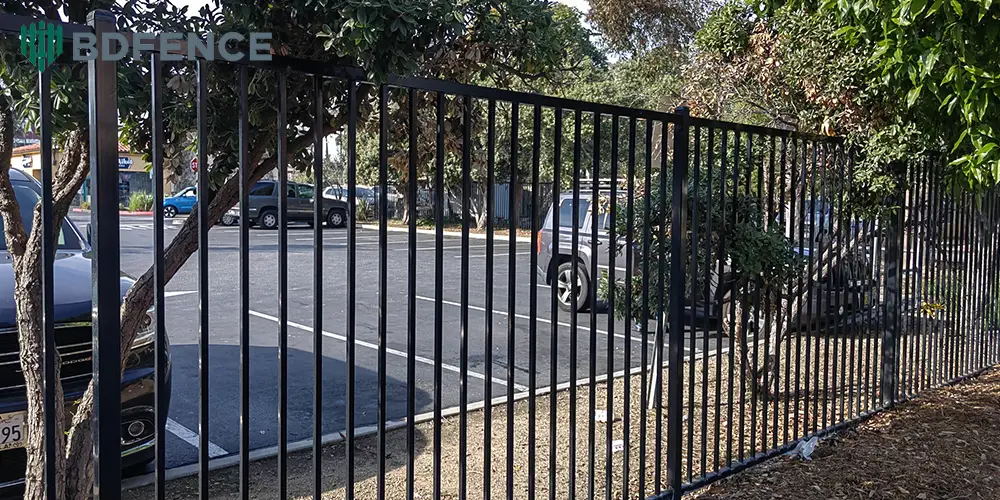
Start with the job the fence must perform. A warehouse boundary may separate the loading yard from a public road. A factory fence may run beside a staff entrance, a vehicle route and an area containing equipment. A commercial property may also need a consistent appearance around offices, parking spaces and landscaped grounds.
These locations can require different panel arrangements, even within the same property.
For example, a main entrance may use a decorative flat-top or spear-top design that matches the building. A service boundary may prioritize a straightforward panel layout and controlled access. The approved security design should determine the required height, spacing and additional measures for each area.
There is also a useful distinction between tubular picket fencing and traditional steel palisade fencing. Tubular fencing uses hollow steel tube sections for its vertical pickets, while many palisade systems use formed steel pales or flat sections. Both can define industrial boundaries, but their appearance, component design and specifications differ.
When a tender specifies tubular steel, do not assume that a palisade panel is an acceptable substitute. Ask the supplier to identify the actual picket profile and rail construction in the technical drawing.
Read the Tube Specification Before Comparing Prices
Outside dimensions do not tell the whole story
Consider two quotations for a fence panel with the same height and width. One specifies 19 × 19 mm square tube for the vertical pickets; the other uses 16 × 16 mm tube. The panels may look similar in a small photograph, but the material specification is different.
Wall thickness adds another variable. A tube’s outside dimensions describe its profile, but they do not establish the thickness of the steel wall. Buyers should check both where the project specification requires them.
These details affect material consumption and panel weight. They can also influence the quotation, so a lower price does not automatically indicate a more competitive offer.
BDFENCE lists several tubular picket options, including 16 × 16 mm and 19 × 19 mm square sections, as well as round tube options. The published range also includes different rail sizes and panel widths. These are product options rather than a recommendation that every combination suits every site.
For a commercial or industrial order, request a drawing that identifies the picket profile, rail dimensions, wall thickness where specified and panel size. That gives every supplier the same technical reference.
Picket spacing changes the finished panel
Spacing is another detail worth checking. Closely spaced pickets create a denser visual pattern, while wider gaps produce a more open appearance.
The appropriate arrangement depends on the design, the intended use of the boundary and any applicable safety requirements. A spacing value should therefore come from the approved specification rather than from a general product description.
When comparing offers, make sure both suppliers quote the same spacing and picket profile. Otherwise, the prices may represent different products.
For large orders, it is worth approving a dimensioned panel drawing before manufacturing begins. The drawing should show the overall dimensions, picket arrangement, horizontal rails, connection details and finish.
Two Rails, Three Rails or Four Rails?
The number of horizontal rails affects the panel layout and the amount of steel used. A two-rail panel has a different construction from a three- or four-rail panel, so the selected arrangement should follow the approved design.
A warehouse boundary and a prominent commercial entrance may not need the same appearance. The rail arrangement can also affect how the pickets connect to the frame.
Before selecting a configuration, check the panel height, picket dimensions, intended use and relevant design requirements. Do not choose a rail count solely because it is the cheapest option in the catalogue.
The connection between the rails and pickets matters as well. The manufacturing drawing should show the intended assembly, while the finished product should match the agreed dimensions and appearance.
For procurement, ask the supplier to state the rail quantity and dimensions explicitly. That makes it easier to compare the technical scope of each quotation.
Flat Top or Spear Top?
The top profile is one of the first things people notice when they approach a property. It can influence the appearance of the boundary, particularly around commercial buildings and main entrances.
Flat-top fencing has a simple outline and can suit modern offices, warehouses and commercial developments. Spear-top panels create a more traditional appearance and may suit properties that want a more pronounced boundary.
Neither design automatically provides a particular level of security. The fence height, picket spacing, steel sections, posts, gates and installation all contribute to the finished system.
Safety also deserves attention. The top profile should suit the intended location and meet the applicable project requirements, especially where pedestrians or children use nearby areas.
If the fence runs around several parts of a commercial property, decide whether the same top style will be used throughout. A matching gate and fence design can create a more consistent appearance, while separate configurations may be appropriate where the site has different functions.
Warehouse, Factory or Commercial Property: What Changes?
The product may be similar, but the specification should reflect the site.
Warehouses and distribution centres
Vehicle access is often the main coordination issue. Trucks, loading areas and parking spaces affect the location and width of gates. The fence layout should show these openings before the contractor calculates the final panel quantities.
Short sections beside a gate may need different widths from standard panels. The post arrangement must also suit the selected gate and its supporting structure.
Factories and industrial sites
Industrial facilities may have several zones with different access requirements. A boundary around the main property may differ from fencing around equipment or restricted service areas.
The security design should establish the required height, picket spacing, gate arrangements and any additional protection. A heavier-looking panel alone does not prove that the complete fence meets a specified security requirement.
Commercial buildings and business parks
Appearance may carry greater weight along office frontages, visitor parking areas and landscaped spaces. Developers may want the fence colour and top profile to complement gates, building finishes and other exterior metalwork.
However, a decorative design still needs a clear material specification. The panel dimensions, tube profiles, wall thicknesses and finish should be documented before the manufacturer prepares the final quotation.
Choose the Surface Finish for the Actual Location
South Africa has a range of environmental conditions. A commercial property near the coast may face different corrosion exposure from an inland factory or warehouse.
Galvanizing provides a zinc coating that protects steel against corrosion. Powder coating adds a coloured finish and another protective layer. Some projects specify a combination of treatments, depending on the required performance and applicable standards.
The right choice depends on the actual site, the project specification and the maintenance plan. A colour sample alone does not establish the corrosion-protection system.
For coastal locations, salt exposure may need particular attention. At an industrial site, the project team may also need to consider pollutants, standing water and other local conditions.
Make sure the finish requirements cover the complete fence package. Posts, rails, gates, brackets and exposed fasteners should not be left out of the specification.
If the tender identifies a coating standard or acceptance requirement, include it in the request for quotation. This gives suppliers a clear basis for pricing the required treatment.
The Gate and Post Details Can Change the Order
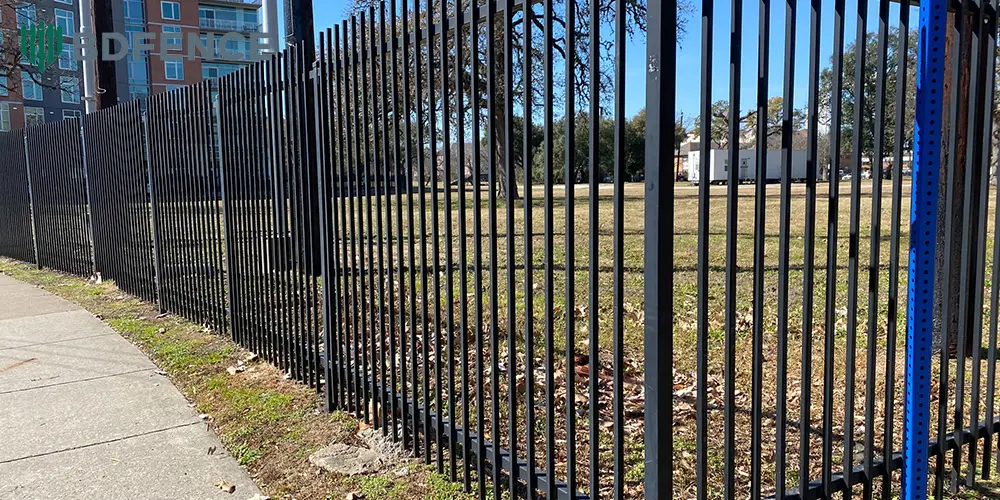
A tubular fence quotation should not treat every section as a repeated panel. Corners, gate openings, short returns and connections to existing structures can require different components.
For a warehouse, define the clear opening for each vehicle or pedestrian gate. The drawing should also identify the gate type, frame dimensions, hinges, locking hardware and support posts.
The gate posts may need a different design from ordinary line posts because they support the gate assembly. The responsible engineer should approve the relevant structural and foundation details.
Post spacing needs equal attention. A nominal panel width does not automatically establish the distance between post centres. The selected bracket or clamp system can affect the final setting-out dimensions.
Before concrete work begins, the contractor should compare the panel drawing, post connection detail and site layout. If a gate moves or the fence line changes, update the affected quantities and drawings before production.
What Should a South African Buyer Include in the RFQ?
A useful request for quotation gives the manufacturer enough information to price the intended product. A product name and total fence length can start the discussion, but a detailed offer needs a clearer specification.
| RFQ Item | Information to Provide |
|---|---|
| Panel dimensions | Height, width and required configuration |
| Pickets | Square or round profile, outside dimensions, wall thickness and spacing |
| Horizontal rails | Rail dimensions, wall thickness and quantity |
| Posts | Profile, dimensions, length and installation method |
| Top style | Flat top, spear top or another specified design |
| Surface finish | Required protective system and colour |
| Gates and fixings | Opening dimensions, hardware and connection details |
| Quantities | Standard panels, special sections, posts and gates |
| Delivery | Destination, required schedule and agreed shipping terms |
When comparing suppliers, check whether each offer covers the same components. One quotation may include panels only, while another includes posts, gates and fixing accessories.
For an imported order, the delivered cost may include freight, customs clearance, local transport and other charges, depending on the agreed shipping terms. Compare the complete commercial scope rather than the factory price alone.
What to Confirm Before Manufacturing Starts
Once the product configuration is agreed, the site layout, panel drawing, gate schedule and bill of quantities should refer to the same approved revision.
For example, a change to a gate opening can affect the neighbouring panel widths and post quantities. A change in fence height may also affect the supporting structure.
Ask the supplier to confirm the production dimensions, surface finish, component quantities and packing requirements. If the contract calls for inspection records or specific documents, agree on those requirements before the order is released.
For projects with several panel configurations, identify each type clearly in the material schedule. This helps the receiving team distinguish standard panels from custom sections when the shipment arrives.
If the design remains provisional, mark the open items clearly. A budget quotation can use stated assumptions, but the final manufacturing order should follow confirmed drawings and specifications.
How BDFENCE Can Support Your Tubular Fence Order
BDFENCE is a China-based metal fencing manufacturer supplying overseas contractors, distributors and project buyers. The company has more than 30 years of experience in metal fence manufacturing.
BDFENCE’s published Steel Tubular Fence range includes different panel widths, heights, rail configurations, picket profiles and post options. The final combination depends on the requested specification and should be confirmed before production.
For a South African warehouse, factory or commercial property, useful enquiry documents include the site layout, panel specification, post details, gate schedule and bill of quantities. These help establish the requested components and the full supply scope.
BDFENCE can review the specified panels, posts, gates and related fittings against the information provided. If the project needs custom dimensions or several panel styles, identify them in the schedule rather than grouping everything under one general product description.
Structural design, foundation approval and any site-specific safety requirements remain the responsibility of the project’s qualified professionals unless the contract explicitly includes those services.
If you are sourcing tubular steel fencing for a South African project, send your drawing, BOQ or technical specification through Contact BDFENCE to request a quotation.
FAQ
What is the difference between steel tubular fencing and palisade fencing?
Tubular fencing uses hollow steel tube pickets, while many palisade systems use formed steel pales or flat sections. The correct choice depends on the required design, material specification and intended application.
Which tubular fence height is suitable for a warehouse?
The required height depends on the site’s boundary and security requirements, access arrangements and approved design. The buyer should confirm the height before ordering panels and posts.
Can I customize the picket spacing and top style?
BDFENCE lists several picket and top-style options. The required configuration should be confirmed in the product drawing and quotation before manufacturing begins.
Which coating should I choose for a South African site?
The suitable finish depends on the local environment and project specification. Confirm the protective system and colour for the panels, posts, gates and exposed fittings.
What information is needed for a factory quotation?
Provide the site layout, panel dimensions, picket and rail specifications, post details, gate schedule, coating requirements, quantities and delivery destination.
Contact BDFENCE
Hebei Bendin Industrial Technology Co., Ltd. (BDFENCE)
Planning a steel tubular fence project in South Africa? Send your drawings, BOQ or technical specification for a quotation based on your required panels, posts, gates and finish.
Phone: +86 18703182863
WhatsApp: +86 18703287372
Email: info@bd-fence.com
Website: https://bd-fence.com/
Inquiry: Contact BDFENCE