


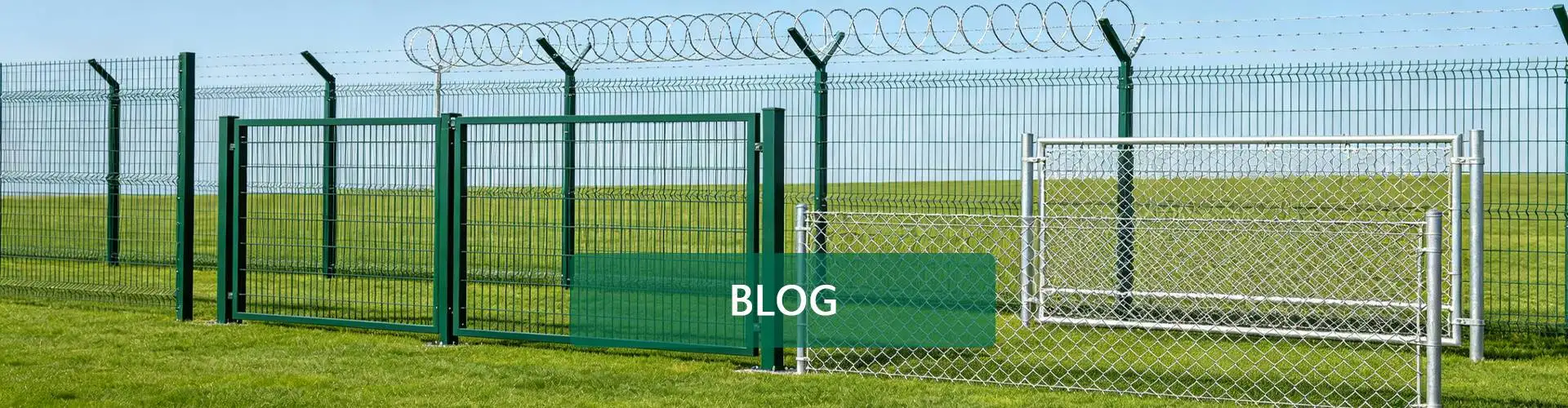
A sample panel looks good. The mesh openings are consistent, the wires appear straight and the coating has an even finish. The buyer approves it, production moves forward and several weeks later a much larger order is ready for shipment.
This is where the real inspection begins.
Checking one sample is not the same as checking a bulk order. A shipment may contain panels from different production batches, several panel heights and a mixture of standard and customized sections. A small difference that goes unnoticed during production can become a much bigger problem when the panels arrive at the installation site.
For South African importers, fencing distributors and security contractors purchasing 358 Security Fence from China, inspection should cover more than the appearance of the mesh. The dimensions, welded connections, coating and packing arrangement all deserve attention before the goods leave the factory.
The Approved Sample Needs a Written Specification
An approved sample is useful, but it cannot answer every question about the production order.
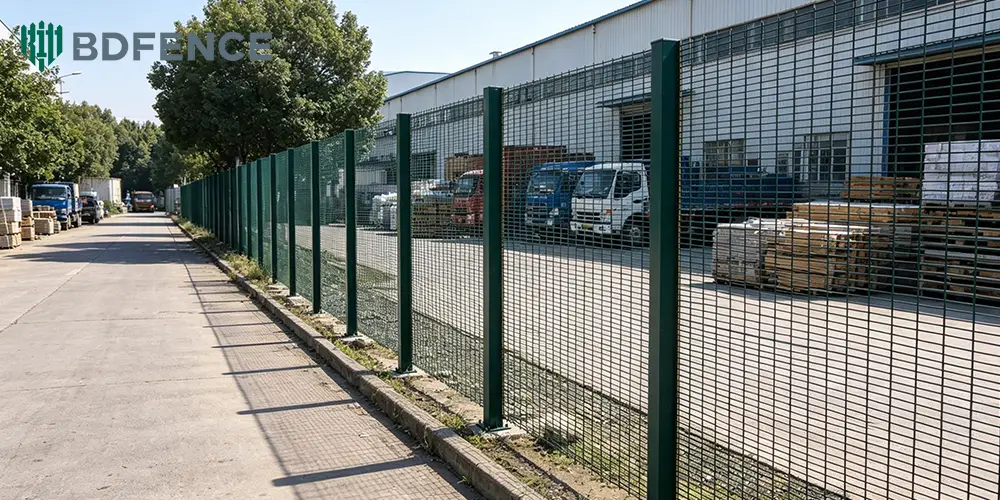
Imagine a buyer approves a 2.4 m high 358 panel with a 76.2 × 12.7 mm mesh opening and approximately 4 mm wire. The manufacturer then receives an order containing several panel heights and different post configurations.
Which sample should the inspector use as the reference?
The answer should already be in the purchase documents.
Before production, record the agreed specifications for each product:
- Panel height and width
- Horizontal and vertical wire diameter
- Mesh opening
- Wire orientation
- Surface treatment
- Panel edge arrangement
- Post and fixing requirements
The familiar 358 designation refers to a nominal 3-inch by 0.5-inch opening and 8-gauge wire. In metric configurations, this commonly means 76.2 × 12.7 mm mesh with approximately 4.0 mm wire.
However, the product name alone should never replace the actual measurements in the order.
If the approved sample and the purchase specification disagree, resolve that difference before production continues.
Measure the Mesh, Not Just the Overall Panel
A panel can have the correct overall dimensions and still contain inconsistent mesh openings.
This is why inspectors should measure several areas rather than checking only one convenient point.
Look at the middle of the panel, then move towards the edges. Compare the horizontal and vertical openings. Check whether the wires maintain a consistent arrangement throughout the panel.
The wire diameter also needs attention.
A buyer should clarify whether the quoted 4.0 mm refers to the steel wire before coating or the finished coated wire. Otherwise, two suppliers may provide measurements that appear different even though they describe different stages of the product.
Use the same measurement method agreed in the purchase specification.
For a large order, the inspection plan should also identify how many panels and which production batches will be checked. One carefully measured panel cannot automatically represent every panel in a shipment.
Look at the Welded Joints From Both Sides
The welded intersections connect the horizontal and vertical wires. They are an important part of the panel’s construction.
Start with the visible weld points.
Are the intersections reasonably uniform? Are there obvious gaps, broken connections or signs of incomplete welding? Do the wires remain aligned, or does the mesh become irregular near the panel edges?
Then turn the panel over.
A quick inspection of one side may not reveal every issue. Looking from both sides makes it easier to identify irregular weld areas and surface defects.
Pay particular attention to the edges and corners. These areas can show handling damage or uneven finishing that is less obvious in the centre of the panel.
The inspection should follow the agreed quality criteria. A visual check can identify obvious defects, but it cannot replace a specified welding-strength test where the project requires one.
A Straight Panel Is Easier to Install
Panel flatness is easy to overlook when the goods are stacked together.
Take one panel out of the bundle and place it on a suitable flat surface. Check whether the frame or mesh shows obvious distortion.
Look along the horizontal wires. Then compare the two panel diagonals or use the dimensional checks specified in the inspection plan.
Why does this matter?
The installer needs adjoining panels to meet at the intended positions. A distorted panel can make fixing more difficult, particularly when the project uses a consistent post spacing.
It may also create uneven gaps along the fence line.
For South African contractors handling long perimeter installations, consistent panel dimensions help keep the installation schedule under control.
A panel should not need improvised bending or cutting simply to fit the next post.
The Coating Needs More Than a Quick Look
A galvanized 358 panel may have a clean appearance and still require further inspection.
The buyer should confirm the specified zinc coating requirements and the applicable inspection method.
Visual inspection can identify obvious problems such as bare areas, damage, excessive deposits or inconsistent finishing. However, appearance alone cannot establish the zinc coating weight.
Where the purchase specification requires a coating measurement, use the agreed test method and calibrated equipment.
Powder-coated products need a different set of checks. Inspect the visible finish for uneven coverage, scratches, peeling and handling marks. If coating thickness or adhesion forms part of the order requirements, those items should receive their own inspection.
The same finish requirements should apply to the supporting posts and accessories included in the shipment.
There is little value in receiving well-finished mesh panels alongside poorly protected posts or fixing components.
Check the Panels Against the Packing List
This is a simple step, but it can save considerable time after arrival.
Suppose a South African distributor orders three panel heights for different customer projects. If all bundles carry the same general label, the warehouse team may need to open several packages before identifying the correct panels.
That creates unnecessary handling.
The packing list should identify the product type, dimensions and quantity in each bundle. Where the order contains customized panels, their identification should match the approved drawing or panel schedule.
For a mixed shipment, separate labels are especially useful.
A clear identification system helps the receiving team check the goods without measuring every panel again.
Don’t Forget the Posts and Fixing Accessories
A 358 security fence is not installed using mesh panels alone.
The order may also contain security posts, clamps, bolts, nuts and post caps. Some projects include gates and additional security components.
These items should appear in the inspection and packing records.
Check the post dimensions and wall thickness against the agreed specification. Confirm that the fixing components match the selected panel and post system.
Also compare the quantities with the purchase order.
Missing clamps or incorrectly supplied fasteners may seem like minor problems, but they can interrupt installation when the contractor is waiting for the complete fencing package.
For a bulk order, the inspector should confirm the component count before the shipment is closed.
How Should a South African Buyer Arrange a Pre-Shipment Inspection?
The inspection should be agreed before production, not arranged as an afterthought.
A practical inspection plan can cover several stages:
| Inspection Stage | Main Checks |
|---|---|
| Before production | Approved drawings and technical specifications |
| During production | Wire dimensions, mesh opening and welding consistency |
| Finished panel inspection | Panel size, flatness and visible defects |
| Coating inspection | Finish condition and specified coating measurements |
| Accessories | Post dimensions, clamps, bolts and quantities |
| Packing inspection | Bundle labels, protection and packing list |
For larger or customized orders, buyers may arrange their own inspection or appoint an independent inspection company.
The inspection criteria, sampling method and acceptance limits should be agreed in advance. This avoids disagreements about what counts as an acceptable product after manufacturing is complete.
Photographs and inspection records can also help the purchasing team review the results before shipment.
What BDFENCE Buyers Should Confirm Before Ordering
BDFENCE supplies 358 anti-climb fencing for overseas importers, distributors, security contractors and infrastructure project buyers.
Our 358 Security Fence product range includes different panel dimensions, wire configurations, surface treatments and compatible posts.
For South African bulk orders, we recommend confirming the following information before production:
- Required panel height and width
- Mesh opening and wire diameter
- Horizontal and vertical wire specifications
- Galvanized or powder-coated finish
- Post dimensions and quantities
- Fixing accessories
- Inspection requirements
- Packaging and shipping arrangements
If the order includes several panel specifications, provide a separate schedule for each configuration.
This makes it easier to identify the correct products during manufacturing, inspection and packing.
You can also review our complete fencing product range for other commercial and industrial perimeter requirements.
Before Your 358 Fence Order Leaves China
The final inspection is the last opportunity to identify production or packing problems before international transportation begins.
Compare the finished goods with the approved specification. Check the panel dimensions, mesh consistency, coating condition and accessory quantities. Then make sure the packing list describes what is actually inside the shipment.
A photograph of a good-looking sample is not enough to confirm a complete bulk order.
For South African importers and contractors, a clear inspection record is a more useful basis for accepting the goods and preparing the next stage of procurement.
Need a quotation for 358 security fence panels?
Send BDFENCE your required dimensions, wire specifications, finish and estimated order quantity. If you have an approved drawing or inspection checklist, include that as well.
BDFENCE — Hebei Bendin Industrial Technology Co., Ltd.
Website: bd-fence.com
WhatsApp: +86 18703287372
Email: info@bd-fence.com