


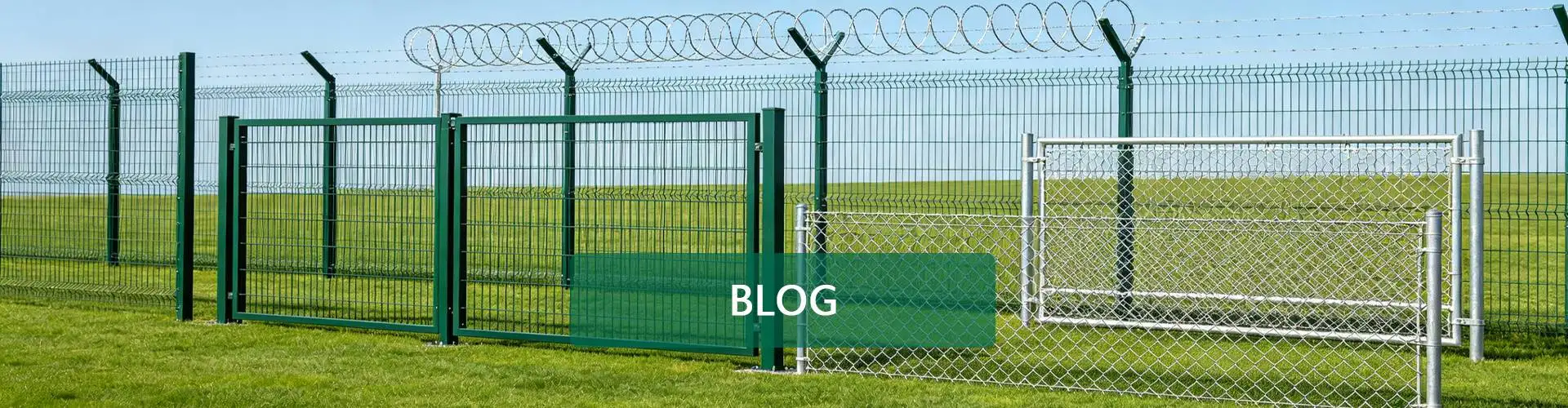
Importing Steel Tubular Fence from China may look straightforward: send the fence height and quantity, receive a price, and compare suppliers.
In practice, this approach can create very different quotations.
Two factories may both quote a 1.8m high black Steel Tubular Fence, yet the steel weight, tube wall thickness, picket spacing, post specification, welding method, coating system, gate structure, and packing can be different.
Therefore, the first job of an international buyer is not to find the lowest price. It is to make sure every supplier is pricing the same fence system.
This guide explains how contractors, distributors, developers, and importers can prepare a clearer Steel Tubular Fence order from China.
1. Turn the Fence Design into a Purchasing Specification
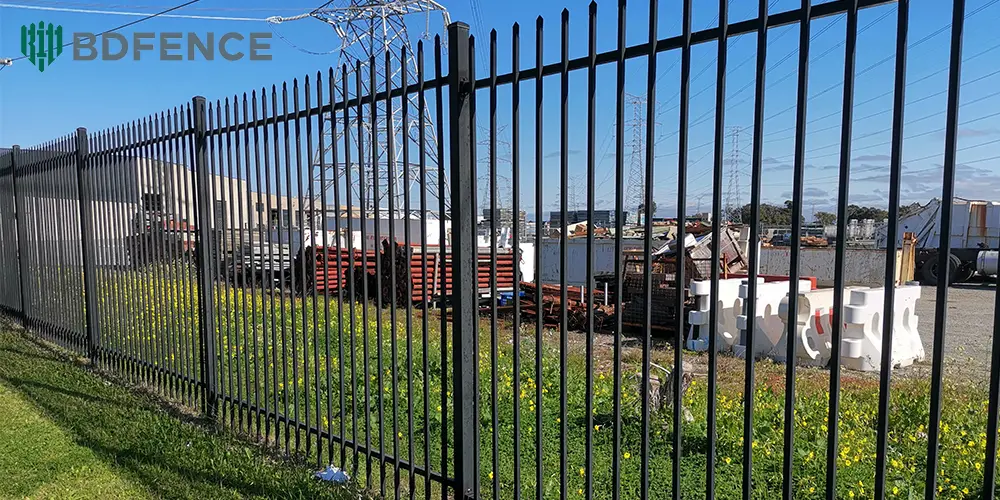
A photo is useful for showing appearance, but it is not enough for production.
Before requesting a final quotation, define the main components of the fence:
- Fence panel height and width
- Top and bottom rail size
- Rail wall thickness
- Vertical picket size
- Picket wall thickness
- Picket spacing or clear gap
- Post size and wall thickness
- Post length
- Top style
- Surface treatment
- Color
- Installation method
- Gate sizes and quantities
Once these details are fixed, quotations become much easier to compare.
2. Do Not Compare Fence Panels by Height Alone
Consider two suppliers quoting a fence with the same height and width.
Supplier A may use larger rails, thicker pickets, and a smaller picket gap. Supplier B may reduce steel consumption through thinner tube walls or wider spacing.
From a distance, both products may look similar. Their weight and cost, however, can be very different.
For this reason, buyers should break a panel into individual components.
| Component | What to Confirm |
|---|---|
| Panel | Overall height and width |
| Rails | Tube section, quantity and wall thickness |
| Pickets | Tube section, wall thickness and spacing |
| Top | Flat, spear, pressed or project-specific design |
| Welding | Fabrication and weld finishing requirements |
3. Tube Wall Thickness Can Change the Quotation Significantly
Tube outside dimensions do not tell the whole story.
For example, two quotations can specify the same picket section while using different wall thicknesses. The same issue applies to rails and posts.
Across hundreds or thousands of meters of fencing, a small change in tube wall thickness can create a substantial difference in total steel consumption.
Therefore, your RFQ should show the wall thickness for every major tube rather than simply stating “heavy-duty steel fence.”
4. Picket Spacing Affects More Than Appearance
Picket spacing influences the number of vertical tubes required in each panel.
A closer spacing normally means more pickets. Consequently, it can increase:
- Steel consumption
- Panel weight
- Welding work
- Coating area
- Production cost
Spacing may also relate to project safety, access control, architectural appearance, and local requirements.
For accurate manufacturing, specify either the center-to-center spacing or the required clear opening between pickets.
5. Define the Fence Top Instead of Using a General Description
Steel Tubular Fence can use many top designs.
Projects may require:
- Flat-top pickets
- Spear-top pickets
- Pressed-point pickets
- Decorative tops
- Custom architectural profiles
A reference drawing is particularly useful for decorative or project-specific designs.
It helps the factory understand the intended appearance before production begins.
6. Posts Should Match the Panel and Site
A fence panel cannot be evaluated separately from its support system.
Post selection should consider fence height, panel width, installation method, gate locations, site conditions, and project engineering requirements.
When requesting a quotation, confirm:
- Post section
- Post wall thickness
- Post total length
- Post spacing
- Post cap
- Panel-to-post connection
- Embedded or base-plated installation
For exposed sites or projects with specific wind requirements, the post and foundation system should be reviewed according to the project design rather than selected from a generic fence specification.
7. Embedded Posts and Base-Plated Posts Are Different Orders
Some projects install posts directly into concrete foundations. Others fix posts onto concrete using welded base plates and anchors.
This changes the manufacturing scope.
For a base-plated system, buyers should confirm the base plate dimensions, thickness, hole arrangement, and required anchors.
For embedded posts, the total post length should include the required below-ground portion according to the project design.
Providing this information early prevents confusion when calculating post quantities and steel weight.
8. Treat Gates as Engineered Components, Not Extra Panels
One of the most common RFQ problems is providing detailed fence specifications but describing the gates only as “same as fence.”
A gate is a moving structure. Its frame, post, hinge, latch, and opening width require separate consideration.
Your gate schedule should identify:
- Pedestrian or vehicle gate
- Single or double leaf
- Clear opening
- Overall height
- Frame tube specification
- Infill design
- Gate-post specification
- Hinge system
- Locking requirements
- Manual or automated operation where applicable
Large Vehicle Gates Need Special Attention
A wide vehicle gate should not automatically use the same post as a normal fence panel.
The gate frame and supporting posts may need different sections and wall thicknesses according to the opening, weight, hardware, and project requirements.
Confirming the gate schedule before production is much easier than modifying an entrance after the shipment reaches the site.
9. Decide the Corrosion-Protection System
Steel needs an appropriate surface-treatment system for its installation environment.
Depending on the project specification, Steel Tubular Fence may use:
- Galvanized steel
- Powder-coated steel
- Galvanizing plus powder coating
Buyers should avoid using the word “galvanized” as the complete specification when a project requires a defined coating process or standard.
Instead, state the required surface-treatment system and any applicable project requirements in the RFQ.
10. Coastal and Humid Projects Need a System-Level Review
For coastal, humid, or aggressive environments, corrosion protection should cover more than the visible fence panel.
Review the complete system, including:
- Panels
- Posts
- Welded areas
- Base plates
- Gate frames
- Gate hardware
- Fasteners
- Cut edges
Drainage, coating damage during installation, and long-term maintenance can also influence corrosion performance.
Therefore, avoid choosing a finish based only on color or initial appearance.
11. Confirm the Color with a Recognized Reference
“Black” or “green” may sound clear, but commercial projects often require consistent color matching.
If the project specifies a RAL color, include the RAL number in the purchase order and approved production specification.
This is especially useful when fences, gates, and replacement components may be produced in different batches.
12. Ask How the Fence Will Be Packed
International buyers sometimes spend most of their time negotiating the product and almost no time discussing packing.
However, a Steel Tubular Fence shipment contains long, rigid, coated steel products. Poor packing can make unloading difficult or cause unnecessary surface contact during transport.
A typical export order may include:
- Fence panel packages
- Post bundles
- Pedestrian gates
- Vehicle gates
- Brackets
- Fasteners
- Post caps
- Other accessories
Ask the supplier how each group will be packed and identified.
13. Packing Should Also Help the Installation Team
Good export packing is not only about surviving sea transport.
It should also help the customer receive and organize the shipment.
For example, separate identification for panels, line posts, gate posts, gates, and hardware can reduce sorting work after the container arrives.
This becomes more important when one container includes several fence heights, gate types, or installation zones.
14. Container Planning Starts with the Final Specification
Buyers often ask how many meters of Steel Tubular Fence fit into a 20GP or 40HQ container.
There is no reliable universal figure.
Container utilization depends on:
- Fence height
- Panel width
- Tube sizes
- Tube wall thicknesses
- Picket spacing
- Post size
- Gate quantity
- Packing method
- Total cargo weight
Therefore, loading calculations should come after the final specification and BOQ, not before them.
15. Steel Weight Matters When Planning Freight
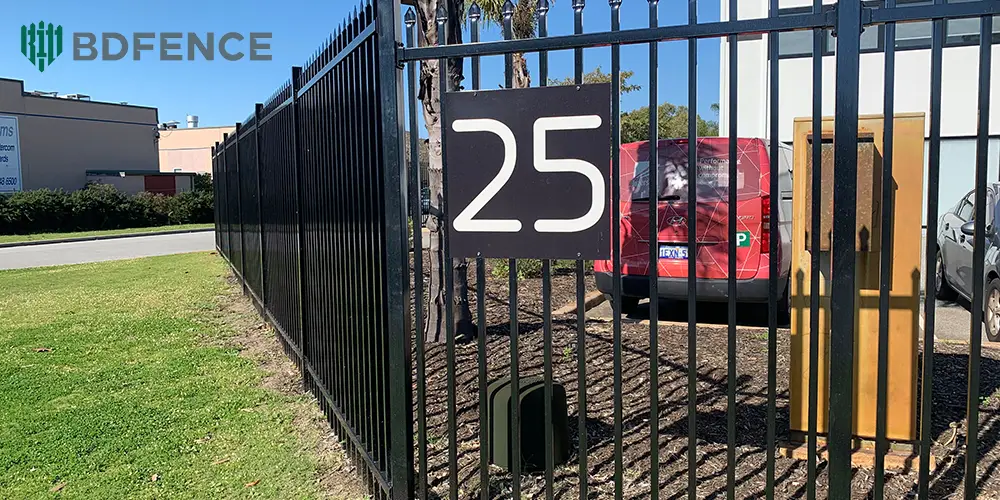
Tubular fencing can use substantial amounts of steel across a long perimeter.
A heavier specification may increase not only the factory price but also package weight, container planning, unloading requirements, and freight cost.
This is another reason why comparing only the price per panel or price per meter can be misleading.
16. Choose a Trade Term That Makes Quotations Comparable
Chinese fence suppliers may quote under different Incoterms, commonly including EXW, FOB, CFR, or CIF depending on the order.
Make sure you understand what the quoted term covers.
If you are comparing several suppliers, ask them to quote using the same trade term and named port whenever possible.
For freight-inclusive quotations, provide your destination port at the beginning of the inquiry.
17. Prepare for Import Costs Outside the Factory Quotation
The supplier’s quotation is not necessarily the final landed cost.
Depending on the trade term and destination, the buyer may also need to consider:
- Ocean freight
- Marine insurance where applicable
- Destination port charges
- Customs clearance
- Import duties
- Applicable taxes
- Local transport
- Site unloading
These costs vary by destination and shipment arrangement. Buyers should verify current import requirements with their customs broker or logistics provider.
18. Inspect the Details That Created the Price
A useful pre-shipment inspection should focus on the specification used to place the order.
| Item | Possible Check |
|---|---|
| Fence Panel | Height, width and overall configuration |
| Pickets | Tube size, wall thickness and spacing |
| Rails | Section and wall thickness |
| Posts | Section, wall thickness and length |
| Gates | Opening, frame and hardware |
| Finish | Visible coating condition and agreed color |
| Accessories | Type and quantity |
| Packing | Package quantity and identification |
For projects that require independent verification, third-party inspection can also be arranged according to the agreed scope.
19. Compare the Complete Fence System, Not Three Isolated Prices
Suppose you receive three quotations:
Quotation A: the lowest panel price, but gates and fasteners are excluded.
Quotation B: a higher panel price, but the tube walls are thicker and the post system is heavier.
Quotation C: includes panels, posts, brackets, gates, packing, and export support.
Simply ranking A, B, and C by price per meter would not produce a meaningful comparison.
First normalize the specification and supply scope. Then compare the commercial offer.
20. Use a Supplier Checklist Before Paying a Deposit
When importing Steel Tubular Fence from China, evaluate whether the supplier can manage the complete order rather than only fabricate a sample panel.
A practical supplier review can include:
- Is it a manufacturer or intermediary?
- Can it explain the tube specifications clearly?
- Can it produce matching posts?
- Can it fabricate custom gates?
- Can it follow project drawings?
- Can it support different picket spacing?
- Can it provide the required surface treatment?
- Can it provide production and inspection records?
- Can it prepare export packing?
- Can it support container-loading planning?
- Can it maintain specifications for repeat orders?
21. Send a Better RFQ and You Will Receive a Better Quotation
A professional Steel Tubular Fence RFQ does not need to be complicated.
Send the following information when available:
- Project country
- Project application
- Total fence length
- Panel height and width
- Rail size and wall thickness
- Picket size and wall thickness
- Picket spacing
- Post size and wall thickness
- Post length
- Top design
- Surface treatment
- RAL color
- Installation method
- Pedestrian gate schedule
- Vehicle gate schedule
- Drawings or BOQ
- Required Incoterm
- Destination port
If some specifications have not been decided, send the project requirements and drawings you already have. The remaining items can then be identified for confirmation before the final quotation.
Why Import Steel Tubular Fence from BDFENCE?
Hebei Bendin Industrial Technology Co., Ltd. (BDFENCE) manufactures metal fencing for overseas distributors, contractors, developers, and project buyers.
Steel Tubular Fence supply can include:
- Welded tubular fence panels
- Different rail and picket profiles
- Custom picket spacing
- Flat-top and spear-top designs
- Steel posts
- Base-plated post systems
- Brackets and fasteners
- Pedestrian gates
- Vehicle gates
- Custom gate posts
- Galvanized finishes
- Powder-coated finishes
- Galvanized and powder-coated systems
- Export packing
- Container-loading support
BDFENCE has more than 30 years of metal fence manufacturing experience. Our manufacturing operation includes a 15,000㎡ factory, 190+ employees, and 80+ machines.
BDFENCE products have been exported to more than 70 countries.
Final Import Checklist
| Before Ordering | Confirmed? |
|---|---|
| Panel height and width | □ |
| Rail size and wall thickness | □ |
| Picket size and wall thickness | □ |
| Picket spacing | □ |
| Post size, thickness and length | □ |
| Installation method | □ |
| Surface treatment and color | □ |
| Gate schedule | □ |
| Accessories | □ |
| Export packing | □ |
| Inspection requirements | □ |
| Trade term | □ |
| Destination port | □ |
Importing Steel Tubular Fence from China becomes much easier when the purchase starts with a complete specification.
Define the steel first. Then define the posts, gates, finish, packing, and shipping scope. Once every supplier is quoting the same system, the commercial comparison becomes far more useful.
If you have a fence drawing, BOQ, gate schedule, or preliminary project requirement, send it to BDFENCE for specification review and quotation.
Contact BDFENCE
Hebei Bendin Industrial Technology Co., Ltd. (BDFENCE)
Phone:
+86 18703182863
WhatsApp:
+86 18703287372
Email:
info@bd-fence.com
Website:
https://bd-fence.com/
FAQ
What specifications should I send when importing Steel Tubular Fence from China?
Provide the panel dimensions, rail and picket tube sizes, wall thicknesses, picket spacing, post specification, finish, installation method, gates, quantities, and destination information. A drawing or BOQ is especially helpful.
Why do Steel Tubular Fence quotations from China vary so much?
Suppliers may use different tube sizes, wall thicknesses, picket spacing, posts, coating systems, gates, accessories, and packing scopes. Compare these details before comparing the final price.
Can BDFENCE manufacture custom Steel Tubular Fence?
Yes. BDFENCE can manufacture different panel dimensions, tube profiles, picket spacing, top styles, posts, gates, and finishes according to the confirmed project specification.
Should I buy gates from the same fence manufacturer?
Buying matching gates with the fence can simplify the coordination of height, infill style, finish, gate posts, and related hardware. However, gate requirements should still be specified separately.
How many meters of Steel Tubular Fence fit in a 40HQ container?
There is no universal quantity. It depends on panel dimensions, tube specifications, picket spacing, posts, gates, packing dimensions, and total cargo weight.
Can BDFENCE supply galvanized and powder-coated Steel Tubular Fence?
Yes. Surface-treatment options can be selected according to the confirmed project requirements and installation environment.
Can I arrange third-party inspection before shipment?
Yes. Inspection can be coordinated according to the agreed scope, and buyers can arrange independent third-party inspection when required.