


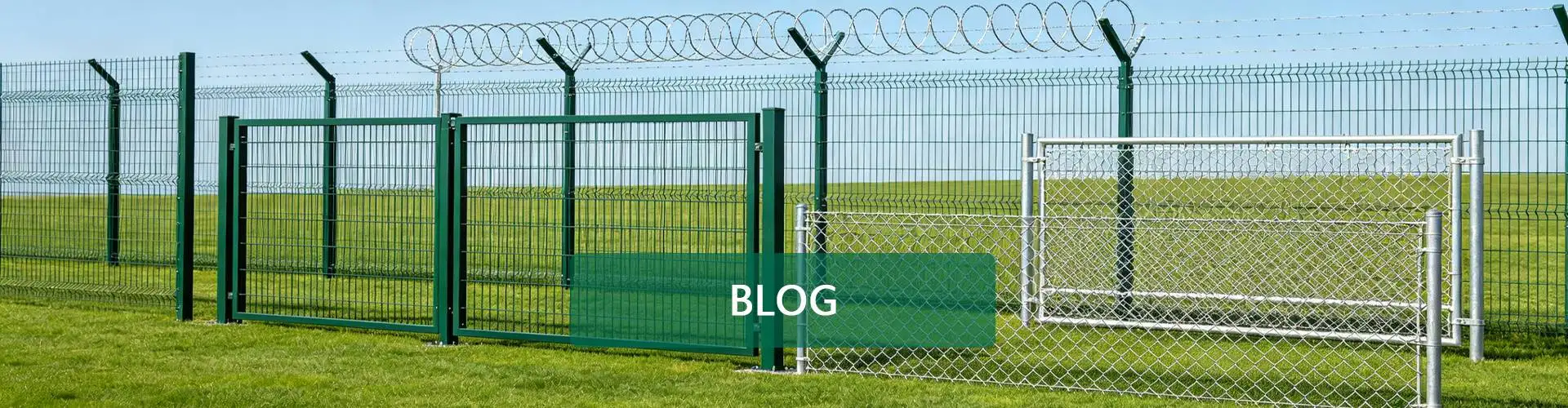
Choosing the correct Chain Link Fence specification is one of the most important steps in planning a large perimeter project.
For industrial facilities, logistics centers, warehouses, infrastructure projects, sports facilities, utility sites, and commercial developments, the wrong specification can lead to higher costs, installation problems, insufficient performance, or unnecessary material use.
Professional buyers should therefore evaluate more than fence height and mesh size.
A complete Chain Link Fence specification may include:
- Fence height
- Mesh opening
- Wire diameter
- Surface treatment
- Roll length
- Post dimensions
- Post spacing
- Tension system
- Fence fittings
- Gate requirements
- Installation conditions
This guide explains how EPC contractors, distributors, industrial buyers, and project procurement teams can select Chain Link Fence specifications according to real project requirements.
Hebei Bendin Industrial Technology Co., Ltd. (BDFENCE) manufactures customized Chain Link Fence systems, steel posts, gates, fence fittings, and complete perimeter solutions for international projects.
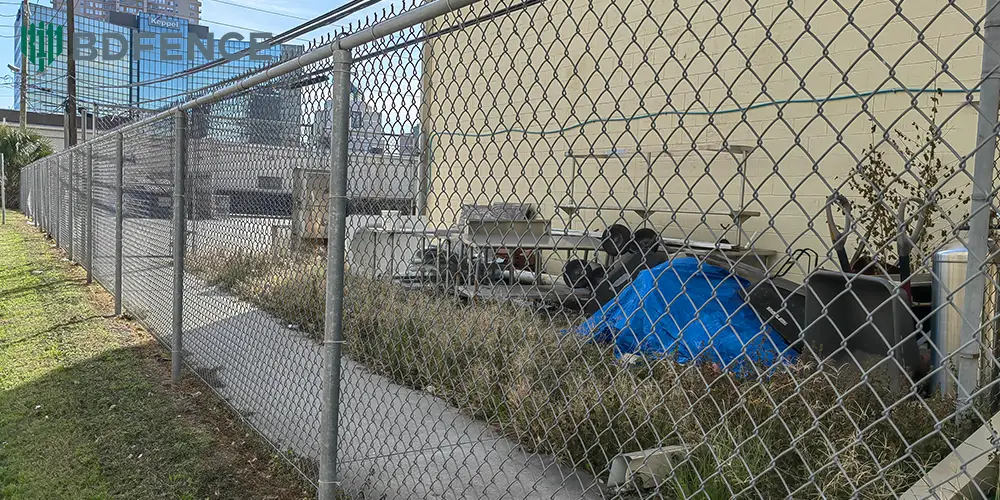
Why Chain Link Fence Specification Matters
Chain Link Fence may appear to be a simple woven mesh product, but the final performance of the system depends on the interaction of several components.
A complete perimeter includes:
- Fence mesh
- Steel posts
- Tension components
- Fence fittings
- Gates
- Foundations
If one component is underspecified, the complete fence system may not perform as expected.
For example:
- A heavy mesh with weak posts may create structural problems
- Strong posts with thin wire may not provide the required fence strength
- Incorrect post spacing may create installation difficulties
- Missing fence fittings can delay site work
- Wrong coating can reduce long-term durability
Step 1: Confirm the Project Application
The first step is understanding where the fence will be installed.
Different applications require different performance priorities.
Industrial Facilities
Factories and industrial plants typically require:
- Reliable perimeter separation
- Good visibility
- Vehicle gate integration
- Long-term outdoor durability
Logistics Centers
Logistics facilities often prioritize:
- Long perimeter coverage
- Truck access
- Cost efficiency
- Flexible gate locations
Infrastructure Projects
Railway, water treatment, utility, and transport projects may require:
- Large-area perimeter coverage
- Adaptability to terrain
- Corrosion protection
- Project-specific posts and gates
Sports Facilities
Sports applications often require:
- Higher fence configurations
- Good visibility
- Ball containment
- PVC-coated finishes
Step 2: Choose the Correct Fence Height
Fence height directly affects material consumption, post length, gate dimensions, and total project cost.
Common project heights may include:
- 1,200 mm
- 1,500 mm
- 1,800 mm
- 2,000 mm
- 2,400 mm
- 3,000 mm
- Customized heights
The correct fence height depends on:
- Security requirements
- Application
- Local regulations
- Project drawings
- Site conditions
Higher Fence Means More Than More Mesh
Increasing fence height may also require:
- Longer posts
- Larger post sections
- Additional braces
- Stronger foundations
- Larger gates
For this reason, fence height should be evaluated as part of the complete system.
Step 3: Select the Mesh Opening
Mesh opening affects material consumption, appearance, flexibility, and overall fence performance.
Common mesh sizes can include:
- 40 × 40 mm
- 50 × 50 mm
- 60 × 60 mm
- Other customized openings
Smaller Mesh Opening
A smaller mesh opening generally uses more wire per square meter when the wire diameter remains the same.
This can result in:
- Higher material consumption
- Higher fence weight
- Higher cost
Larger Mesh Opening
A larger mesh opening may reduce material consumption and provide a lighter fence structure.
However, the final mesh size should always match the approved project specification and application requirements.
Step 4: Confirm the Wire Diameter
Wire diameter is one of the most important technical and cost factors in Chain Link Fence procurement.
Increasing wire diameter generally increases:
- Steel consumption
- Fence weight
- Mesh rigidity
- Material cost
Core Wire Diameter vs Finished Diameter
For PVC-coated Chain Link Fence, buyers should confirm whether the quoted diameter refers to:
- Steel core wire diameter
- Finished coated wire diameter
This distinction is important because two suppliers may use the same stated finished diameter but different steel core sizes.
Step 5: Choose the Surface Treatment
Surface treatment affects long-term durability, appearance, and maintenance requirements.
Galvanized Chain Link Fence
Galvanized Chain Link Fence is widely used for:
- Industrial facilities
- Infrastructure projects
- Warehouses
- Utility sites
- Logistics centers
The required galvanizing specification should match the project environment and expected service conditions.
PVC-Coated Chain Link Fence
PVC-coated Chain Link Fence is often selected where appearance or additional surface protection is important.
Common applications include:
- Sports facilities
- Schools
- Residential developments
- Commercial properties
- Landscaped areas
Step 6: Select the Correct Post System
The post system provides structural support for the complete fence.
A project may require:
- Line posts
- Corner posts
- Terminal posts
- Gate posts
- Reinforced posts
Post Dimensions
Post size should be selected according to:
- Fence height
- Wire specification
- Post spacing
- Wind conditions
- Foundation design
- Gate requirements
Post Wall Thickness
Two posts with the same outside dimensions may have different wall thicknesses.
This affects:
- Steel weight
- Structural strength
- Cost
Professional buyers should always compare both post size and wall thickness.
Step 7: Confirm Post Spacing
Post spacing affects the number of posts required and the structural behavior of the fence system.
The correct spacing depends on:
- Fence height
- Mesh specification
- Post size
- Site conditions
- Project design
Buyers should avoid assuming that one standard post spacing is suitable for every project.
Step 8: Choose the Tension and Support System
Chain Link Fence is a tensioned woven system, so proper support and tensioning components are essential.
Depending on the design, the system may include:
- Top rails
- Tension wire
- Brace rails
- Tension bars
- Tension bands
- Brace bands
- Other fence fittings
Why Tension Components Matter
Correct tension helps maintain:
- Mesh alignment
- Fence appearance
- Structural stability
- Long-term performance
Step 9: Plan Gates Before Ordering
Gate requirements should be confirmed before finalizing the fence order.
The project may require:
- Pedestrian gates
- Single vehicle gates
- Double-leaf vehicle gates
- Maintenance gates
- Emergency access gates
Gate Information to Confirm
For each gate, buyers should provide:
- Quantity
- Opening width
- Height
- Single or double leaf design
- Gate post specification
- Locking requirements
- Access control requirements
Step 10: Confirm Fence Fittings
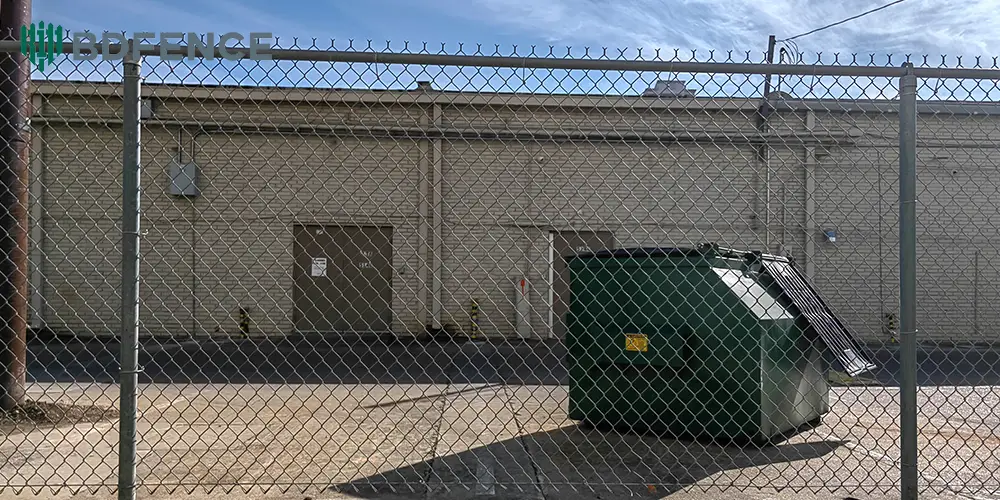
Fence fittings are small components but are essential for installation
.
A complete fittings package may include:
- Tension bars
- Tension bands
- Brace bands
- Rail ends
- Post caps
- Tie wires
- Clamps
- Bolts and nuts
- Gate hinges
- Gate locks
For large projects, the quantities of these small parts can reach thousands of pieces.
Buyers should confirm the complete fittings list before shipment to reduce the risk of installation delays.
Step 11: Evaluate the Site Conditions
A Chain Link Fence specification should not be finalized without considering the actual installation environment.
Two projects using the same fence height and mesh specification may require different posts, foundations, coatings, or support systems because of differences in site conditions.
Before ordering, buyers should evaluate:
- Flat or sloping terrain
- Soil conditions
- Concrete or soil installation
- Local wind exposure
- Humidity
- Coastal exposure
- Industrial corrosion conditions
- Vehicle activity near the fence line
Flat Sites
Long, relatively level boundaries are generally straightforward for Chain Link Fence installation.
Consistent post spacing and standardized mesh rolls can help improve installation efficiency across long perimeter sections.
Sloping and Uneven Sites
One advantage of woven Chain Link Fence is its flexibility compared with rigid panel fencing.
However, changes in elevation should still be reviewed during the design stage so that post positions, mesh installation, corner details, and gate locations can be planned correctly.
Step 12: Consider Wind Conditions and Foundation Design
Fence foundations and structural requirements should be determined according to the actual project design and site conditions.
Important factors can include:
- Fence height
- Post dimensions
- Post spacing
- Soil conditions
- Local wind conditions
- Gate dimensions
- Additional fence attachments
Do Not Treat the Foundation as a Standard Detail
Foundation dimensions should not simply be copied from another project.
A 1.8-meter general perimeter fence and a 3-meter fence in an exposed location may require different structural considerations.
Final foundation design should follow the project engineer’s requirements and applicable local standards.
Special Attention to Gate Posts
Gate posts can experience different loads from standard line posts.
Large vehicle gates may require:
- Larger gate posts
- Greater wall thickness
- Stronger foundations
- Suitable hinges
- Additional reinforcement
Step 13: Select Specifications for Coastal or Corrosive Environments
Environmental exposure can significantly influence the required corrosion protection system.
Projects near coastal areas, industrial facilities, wastewater environments, or other corrosive locations may require greater attention to surface protection.
Buyers should evaluate the complete system, including:
- Chain link wire
- Steel posts
- Rails
- Fence fittings
- Gate frames
- Gate hardware
Using corrosion-resistant mesh while ignoring posts and small fittings can create inconsistent long-term performance across the complete fence system.
Recommended Chain Link Fence Specifications by Application
There is no single Chain Link Fence specification that is suitable for every project.
The following table shows how purchasing priorities can vary by application. Final dimensions and structural details should always follow the approved project requirements.
| Application | Typical Priority | Specification Considerations |
|---|---|---|
| Industrial Facility | Durability + Visibility | Fence height, wire diameter, galvanized finish, vehicle gates |
| Logistics Center | Long Perimeter Economy | Mesh specification, post spacing, truck gates, fittings |
| Warehouse | Boundary Control | Fence height, posts, gates, corrosion protection |
| Sports Facility | Visibility + Ball Containment | Fence height, mesh opening, coating, support structure |
| Water Treatment Facility | Outdoor Durability | Corrosion protection, posts, gates, fittings |
| Infrastructure Project | Large-Scale Coverage | Terrain, post system, logistics, installation efficiency |
| Commercial Property | Appearance + Access Control | PVC coating, gates, mesh appearance, post design |
How Wire Diameter and Mesh Size Affect Chain Link Fence Cost
Two Chain Link Fence quotations can look similar while representing significantly different quantities of steel.
Two of the most important factors are:
- Wire diameter
- Mesh opening
Increasing Wire Diameter
When other specifications remain unchanged, increasing the wire diameter generally increases the amount of steel used in the mesh.
This affects:
- Mesh weight
- Material cost
- Transportation weight
- Handling requirements
Reducing Mesh Opening
When wire diameter remains unchanged, a smaller mesh opening generally requires more wire per square meter.
This can also increase mesh weight and material cost.
Why Price Per Square Meter Can Be Misleading
A buyer may receive two quotations for the same fence height but with significantly different prices.
Before assuming that one supplier is simply cheaper, compare:
- Actual wire diameter
- Mesh opening
- Core wire diameter for coated products
- Coating specification
- Roll dimensions
- Post dimensions
- Post wall thickness
- Fence fittings included
7 Common Chain Link Fence Specification Mistakes
Mistake 1: Asking Only for “Standard Chain Link Fence”
There is no universal specification called standard Chain Link Fence.
Different markets, suppliers, and applications can use different mesh openings, wire diameters, coatings, posts, and fittings.
A professional RFQ should provide measurable specifications.
Mistake 2: Comparing Different Wire Diameters
A lower quotation may simply use thinner wire.
Always confirm the actual wire diameter before comparing prices.
Mistake 3: Confusing Core Wire and Coated Wire Diameter
This is particularly important when purchasing PVC-coated Chain Link Fence.
The quotation should clearly identify the steel core diameter and, where relevant, the finished coated diameter.
Mistake 4: Ignoring Post Wall Thickness
Comparing only post outside dimensions does not provide a complete specification.
For example, posts with identical outside diameters can have different wall thicknesses, weights, and costs.
Mistake 5: Ordering Mesh Without a Complete Fittings List
Mesh rolls alone do not create a complete Chain Link Fence system.
Missing tension bands, tension bars, clamps, bolts, post caps, or other fence fittings can stop installation.
Mistake 6: Finalizing the Fence Before Planning Gates
Gate locations affect terminal posts, gate posts, fence lengths, foundations, fittings, and installation layout.
The gate schedule should therefore be prepared before the final material quantity is confirmed.
Mistake 7: Selecting the Lowest Price Without Comparing Scope
One quotation may include only mesh and posts while another includes a complete fencing package.
Always check exactly what is included before comparing total prices.
How to Compare Chain Link Fence Quotations Correctly
For international procurement, the most useful comparison is an item-by-item technical and commercial comparison.
| Item to Compare | What to Check |
|---|---|
| Fence Height | Actual finished height |
| Mesh Opening | Exact mesh dimensions |
| Wire Diameter | Core and/or finished diameter |
| Coating | Galvanized, PVC-coated, or project-specific finish |
| Posts | Dimensions, wall thickness, length and finish |
| Post Spacing | Required spacing according to system design |
| Fence Fittings | Type and quantity included |
| Gates | Dimensions, posts, hinges and hardware |
| Packaging | Export packaging method |
| Scope | Mesh only or complete fence system |
Mesh-Only Price vs Complete Chain Link Fence System Price
This distinction is especially important for overseas buyers.
Mesh-Only Quotation
A mesh-only quotation generally covers the woven Chain Link Fence rolls without the supporting system.
Complete Fence System Quotation
Depending on the project, a complete quotation may include:
- Chain link mesh
- Line posts
- Corner posts
- Terminal posts
- Gate posts
- Top rails
- Tension wire
- Brace components
- Fence fittings
- Pedestrian gates
- Vehicle gates
For EPC and construction projects, comparing complete system costs usually provides a more realistic picture of the procurement budget.
How to Reduce Chain Link Fence Cost Without Sacrificing Project Requirements
Cost optimization should focus on selecting the correct specification rather than simply choosing the lightest available product.
1. Avoid Unnecessary Overspecification
Using heavier wire, smaller mesh, larger posts, or higher fence sections than the project requires can increase steel consumption across thousands of meters.
2. Standardize Fence Sections Where Possible
Using consistent specifications across repetitive perimeter sections can simplify:
- Production
- Packaging
- Material identification
- Site installation
3. Finalize Gates Before Production
Late gate changes can affect posts, mesh quantities, fittings, and production planning.
4. Purchase Compatible Components Together
Sourcing mesh, posts, gates, and fence fittings as one coordinated system can help reduce compatibility problems.
5. Provide Accurate BOQ Information
Clear quantities and specifications allow manufacturers to calculate material requirements more accurately and reduce unnecessary quotation assumptions.
Chain Link Fence Specification Checklist
Before sending an RFQ to a Chain Link Fence manufacturer, use the following checklist.
| Specification | Information to Provide |
|---|---|
| Application | Industrial, logistics, sports, infrastructure, commercial, etc. |
| Total Length | Total perimeter in meters |
| Fence Height | Required finished height |
| Mesh Opening | Example: 50 × 50 mm |
| Wire Diameter | Required steel wire diameter |
| Surface Treatment | Galvanized or PVC-coated |
| Roll Size | Required height and roll length |
| Posts | Dimensions, wall thickness and length |
| Post Spacing | According to project design |
| Support System | Top rail, tension wire, braces, etc. |
| Fence Fittings | Complete accessories required |
| Pedestrian Gates | Quantity and dimensions |
| Vehicle Gates | Quantity and dimensions |
| Drawings / BOQ | Attach when available |
| Destination | Country or destination port |
What If You Do Not Know the Exact Chain Link Fence Specification?
Not every buyer has a completed technical specification when first contacting a manufacturer.
If the project is still in the planning stage, provide as much information as possible, including:
- Application
- Approximate perimeter length
- Required fence height
- Security requirement
- Installation environment
- Gate requirements
- Preferred finish
- Destination country
This information can help the manufacturer discuss suitable configurations before the final specification is approved.
For tender and EPC projects, the final supply should follow the approved project drawings, BOQ, engineering requirements, and applicable standards.
What Should Be Included in Your Chain Link Fence RFQ?
A detailed RFQ can significantly improve quotation accuracy and make supplier comparison easier.
A professional Chain Link Fence RFQ should include:
- Project name or application
- Total fence quantity
- Fence height
- Mesh opening
- Wire diameter
- Coating specification
- Post specification
- Post spacing
- Fence fittings list
- Gate schedule
- Drawings
- BOQ
- Required delivery schedule
- Destination port or country
The more complete the RFQ, the easier it is to compare suppliers using equivalent technical requirements.
How to Choose a Chain Link Fence Manufacturer for Large Projects
The correct product specification is only one part of successful procurement.
For large international projects, buyers should also evaluate the manufacturer’s ability to deliver the specification consistently.
Manufacturing Capability
Check whether the supplier can manufacture the required:
- Mesh opening
- Wire diameter
- Fence height
- Roll dimensions
- Post configurations
- Customized gates
Complete System Capability
A supplier capable of providing mesh, posts, gates, tension components, and fence fittings can help simplify procurement.
Quality Control
For bulk production, inspection should cover:
- Wire diameter
- Mesh opening
- Roll dimensions
- Post dimensions
- Post wall thickness
- Surface finish
- Gate dimensions
- Fence fittings quantities
Export Packaging
For overseas projects, packaging should consider transportation, container loading, unloading, site storage, and material identification.
Project Communication
For EPC and tender orders, technical communication is especially important when the project involves multiple fence types, gate schedules, drawings, BOQ revisions, or phased deliveries.
Why Choose BDFENCE for Chain Link Fence Projects?
Hebei Bendin Industrial Technology Co., Ltd. (BDFENCE) manufactures customized Chain Link Fence systems for international distributors, EPC contractors, developers, industrial companies, and infrastructure project buyers.
Customized Manufacturing
BDFENCE can manufacture Chain Link Fence according to project requirements for:
- Fence height
- Mesh opening
- Wire diameter
- Roll dimensions
- Post specifications
- Surface treatment
- Gate configurations
Complete Chain Link Fence System Supply
BDFENCE can supply:
- Galvanized Chain Link Fence
- PVC-Coated Chain Link Fence
- Steel posts
- Top rails
- Tension components
- Brace components
- Fence fittings
- Pedestrian gates
- Vehicle gates
- Installation accessories
Drawing and BOQ Support
International buyers can provide project drawings, BOQ documents, technical specifications, and gate schedules for quotation review.
Bulk Order and Export Support
For international projects, BDFENCE can support:
- Specification confirmation
- Production planning
- Quality inspection
- Export packaging
- Container loading
- Shipping documentation
- International shipment coordination
Conclusion: Choose the Complete System, Not Just the Mesh
Choosing Chain Link Fence for a large project involves much more than selecting a mesh height and asking for a price per square meter.
A professional specification should consider:
- Application
- Fence height
- Mesh opening
- Wire diameter
- Surface treatment
- Posts
- Post spacing
- Tension system
- Fence fittings
- Gates
- Site conditions
For project buyers, one of the most important principles is to compare complete systems using equivalent specifications.
A lower mesh price does not necessarily mean a lower total project cost if posts, gates, fittings, coating specifications, or other necessary components are different.
BDFENCE provides customized Chain Link Fence systems for industrial, logistics, infrastructure, sports, commercial, and other international perimeter projects.
Contact BDFENCE for Your Chain Link Fence Project
Hebei Bendin Industrial Technology Co., Ltd. (BDFENCE)
Website: https://bd-fence.com/
Phone: +86 18703182863
WhatsApp: +86 18703287372
Email: info@bd-fence.com
FAQ
What Chain Link Fence specification should I choose?
The correct specification depends on the application, required fence height, security requirements, mesh opening, wire diameter, site conditions, corrosion environment, posts, gates, and project budget. Large projects should follow approved drawings and engineering requirements.
What is the best mesh size for Chain Link Fence?
There is no single mesh size that is best for every project. Common configurations include 40 × 40 mm, 50 × 50 mm, and 60 × 60 mm, while customized mesh openings are also available. The correct option should match the intended application and project specification.
Does thicker wire make Chain Link Fence more expensive?
Generally, yes. When other specifications remain the same, increasing wire diameter increases steel consumption and mesh weight, which normally increases material cost.
What is the difference between galvanized and PVC-coated Chain Link Fence?
Galvanized Chain Link Fence uses a zinc-based corrosion protection system, while PVC-coated Chain Link Fence includes an additional polymer coating. The appropriate finish depends on project environment, appearance requirements, and technical specifications.
Why should I confirm the core wire diameter?
For PVC-coated Chain Link Fence, the finished diameter includes the coating. Confirming the steel core diameter helps buyers compare the actual steel content of quotations more accurately.
Are fence fittings included with Chain Link Fence?
This depends on the quotation scope. Buyers should confirm whether tension bars, bands, clamps, post caps, fasteners, gate hardware, and other required fence fittings are included.
Can BDFENCE manufacture Chain Link Fence according to drawings?
Yes. Buyers can provide project drawings, BOQ documents, technical specifications, gate schedules, and other requirements for quotation and manufacturing review.
What information should I send for a Chain Link Fence quotation?
Provide the total fence length, fence height, mesh opening, wire diameter, coating, post specifications, post spacing, gates, fence fittings, destination, and project drawings or BOQ when available.