


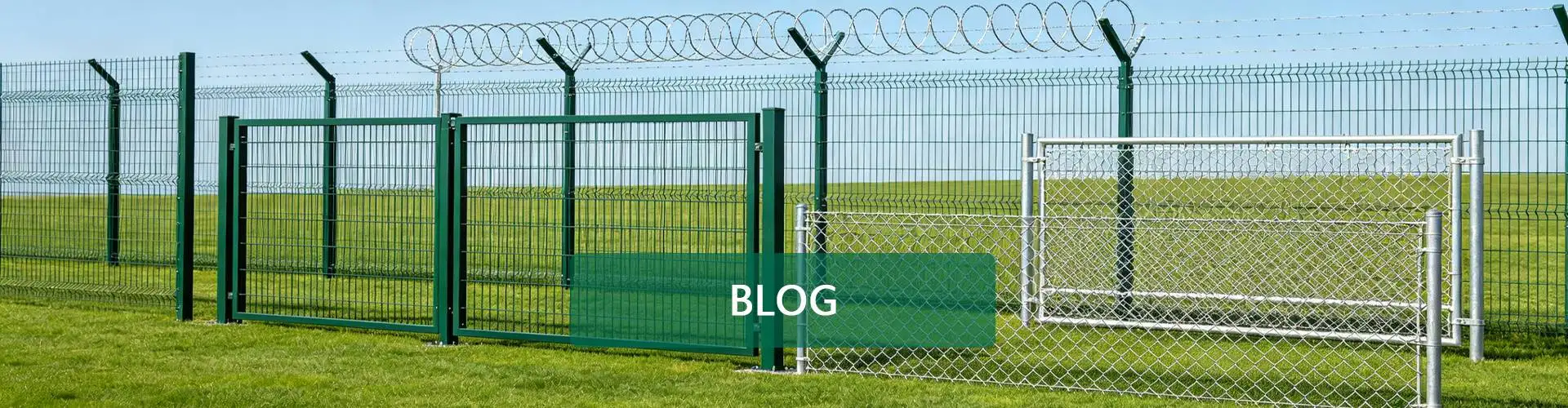
Steel Tubular Fence Pricing Starts with Project Requirements, Not a Fixed Number
One of the first questions buyers ask is, “How much does a steel tubular fence cost?”
The answer depends less on the fence itself and more on the project it is designed to protect. Unlike standardized products, steel tubular fencing is manufactured according to project specifications, making each quotation unique.
A fence for a residential community, for example, is designed very differently from one installed around a logistics center, school, commercial property, or government facility. Differences in tube dimensions, fence height, gate configuration, coating systems, and installation methods all influence the final price.
Instead of focusing only on the cost per panel, professional buyers usually evaluate the total investment required to complete the entire perimeter.
What Makes Up the Total Cost of a Steel Tubular Fence?
The overall project budget normally includes several categories rather than a single product price.
Typical cost components include:
- Fence panels
- Steel posts
- Mounting brackets and bolts
- Pedestrian and vehicle gates
- Surface treatment
- Packaging and export preparation
- Transportation
- Installation
Understanding how these elements interact helps buyers compare quotations more accurately.
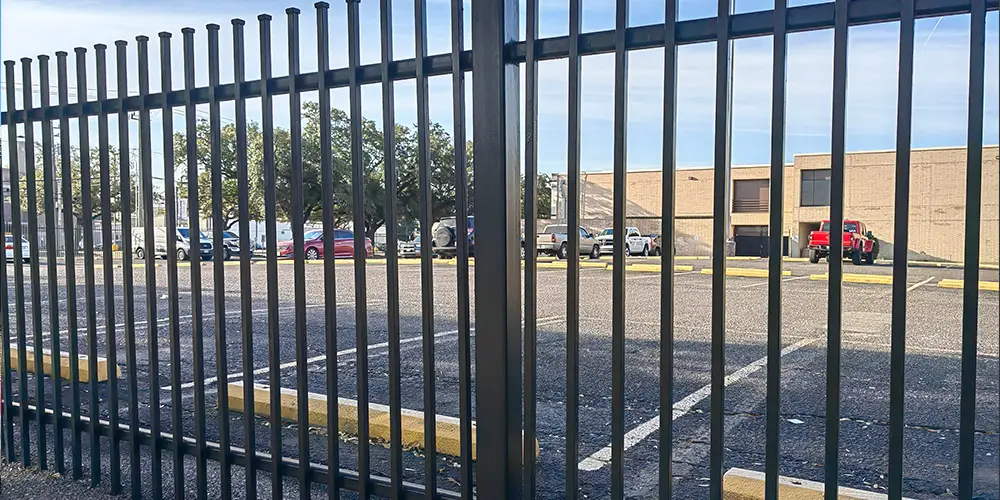
Material Selection Has the Greatest Influence on Tubular Fence Price
Steel accounts for the largest portion of manufacturing cost.
A tubular fence built with heavier wall thickness and larger tube sections requires more raw material, resulting in a higher production cost.
Several specifications directly affect steel consumption.
Tube Dimensions
Common vertical tube sizes include:
- 16 × 16 mm
- 19 × 19 mm
- 25 × 25 mm
Horizontal rails commonly use:
- 32 × 32 mm
- 40 × 40 mm
- 50 × 50 mm
Larger profiles provide greater structural strength but also increase material usage.
Wall Thickness
Wall thickness is another major pricing factor.
Typical options range from:
- 1.0 mm
- 1.2 mm
- 1.5 mm
- 2.0 mm
For commercial and industrial applications, thicker tubes generally provide better durability and impact resistance.
Fence Height Changes More Than Panel Cost
Many buyers assume that increasing fence height only affects the panel.
In reality, taller fencing also requires:
- Longer posts
- Additional steel
- Larger foundations
- More coating materials
- Higher transportation weight
Because multiple components change together, increasing fence height usually affects the total project budget rather than only the panel price.
Surface Treatment Influences Long-Term Value
The protective coating determines how well the fence performs in outdoor environments.
Common options include:
Pre-Galvanized Steel
Suitable for projects with moderate environmental exposure.
Advantages include:
- Competitive cost
- Good corrosion resistance
- Consistent appearance
Hot-Dip Galvanized Steel
Often selected for demanding environments where additional corrosion protection is required.
Applications include:
- Coastal facilities
- Industrial plants
- Infrastructure projects
Powder Coating
A polyester powder-coated finish improves appearance while adding another protective layer.
Common colors include:
- Black
- Green
- White
- Gray
Custom colors are available but may increase production costs for smaller orders.
Gate Systems Represent a Significant Portion of the Budget
Large projects often include multiple access points.
Depending on site requirements, the project may include:
- Pedestrian gates
- Single swing gates
- Double swing gates
- Sliding gates
Unlike standard fence panels, gates require additional structural components such as hinges, locks, reinforced frames, support posts, and accessories.
For projects with many entrances, gate systems can account for a considerable percentage of the total fence budget.
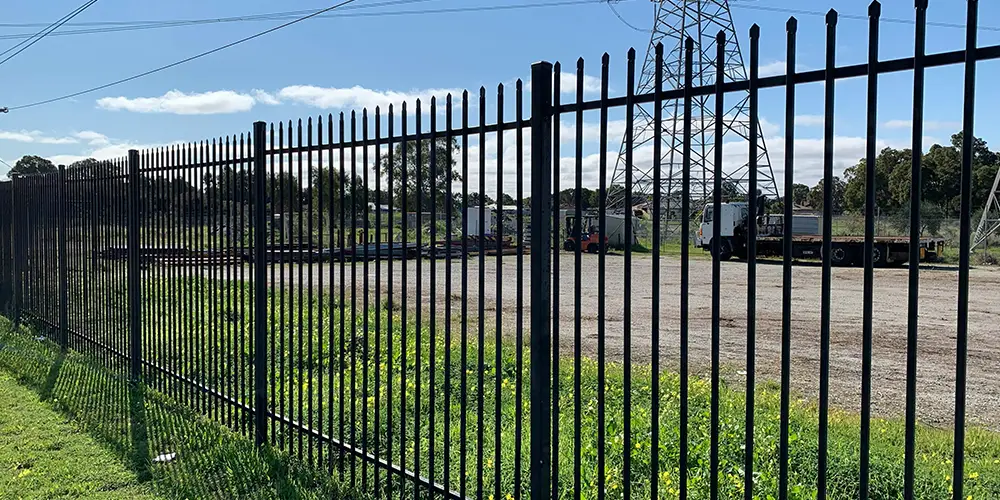
Installation Conditions Affect the Final Metal Fence Cost
Even when the fence specification remains unchanged, installation costs vary between projects.
Factors include:
- Ground conditions
- Concrete foundation requirements
- Site accessibility
- Slope or uneven terrain
- Working hours
- Local labor costs
A project on level ground generally requires less installation time than one built on uneven terrain.
Transportation Should Be Considered During Budget Planning
Shipping costs depend on more than distance.
Several factors influence logistics expenses:
- Total shipment weight
- Container utilization
- Packaging design
- Destination port
- Local inland transportation
Efficient packaging helps maximize container capacity while reducing the risk of product damage during transport.
How to Compare Two Steel Tubular Fence Quotations
Price alone should never be the only comparison.
Instead, buyers should compare technical specifications, including:
| Comparison Item | Check Before Ordering |
|---|---|
| Fence Height | Same specification? |
| Tube Size | Same dimensions? |
| Wall Thickness | Equivalent material? |
| Coating | Identical surface treatment? |
| Gate Quantity | Included or excluded? |
| Accessories | Complete fixing kits supplied? |
| Packing | Export standard packaging? |
Comparing specifications rather than total price helps prevent unexpected costs after production begins.
How to Reduce Steel Tubular Fence Costs Without Sacrificing Quality
Cost optimization does not always require choosing the cheapest product.
Instead, buyers can reduce expenses by:
- Selecting standardized panel sizes
- Using standard coating colors
- Ordering complete fence systems from one supplier
- Combining projects into full-container shipments
- Confirming drawings before production
These strategies improve production efficiency while reducing unnecessary manufacturing costs.
Why Choose BDFENCE?
Hebei Bendin Industrial Technology Co., Ltd. (BDFENCE) manufactures steel tubular fencing systems for commercial, industrial, residential, and infrastructure projects worldwide.
Our manufacturing advantages include:
- More than 30 years of metal fence manufacturing experience
- 190+ experienced employees
- 15,000㎡ production facility
- 80+ advanced manufacturing machines
- ISO9001 certified production
- Products exported to more than 70 countries
Whether your project requires standard tubular fencing or customized perimeter security solutions, our engineering team can provide specification-based quotations according to your project drawings.
Request a Tubular Fence Quotation
To receive an accurate quotation, please provide:
- Total fence length
- Fence height
- Tube dimensions
- Preferred coating
- Gate quantity
- Installation method
- Destination country
This information allows our engineers to prepare a quotation that reflects your actual project requirements.
Frequently Asked Questions
What is included in a steel tubular fence quotation?
A quotation may include fence panels, posts, brackets, bolts, gates, surface treatment, packaging, and export preparation. Installation and freight are usually quoted separately unless requested.
Is powder-coated steel tubular fencing more expensive?
Yes. Powder coating adds an additional manufacturing process, but it also improves appearance and weather resistance, making it a popular choice for long-term outdoor applications.
How can I reduce tubular fence project costs?
Selecting standard specifications, minimizing custom fabrication, ordering complete systems, and optimizing shipment quantities can help lower overall project costs.
Can BDFENCE manufacture customized steel tubular fences?
Yes. We manufacture steel tubular fencing according to customer drawings, including custom heights, tube sizes, gate designs, colors, and installation methods.
Contact BDFENCE for Your Next Fencing Project
Hebei Bendin Industrial Technology Co., Ltd.
Brand: BDFENCE
Website: https://bd-fence.com/
Phone: +86 18703182863
WhatsApp: +86 18703287372
Email: info@bd-fence.com