


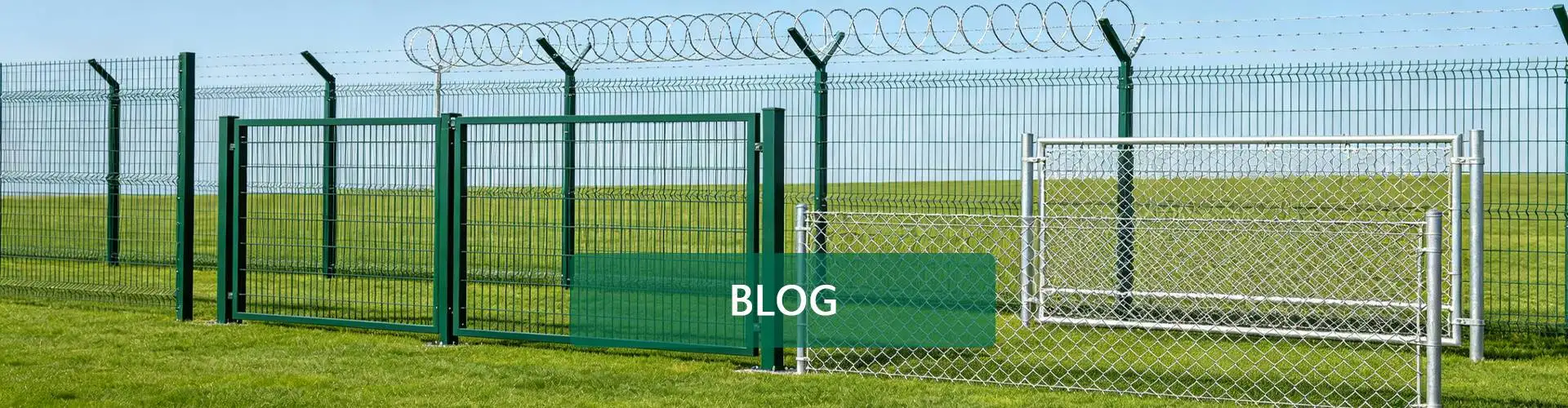
A chain link fence can have the right wire diameter, the right mesh opening and a decent galvanized finish, yet still look poor a few weeks after installation. The mesh sags between posts. A corner post leans slightly. The bottom edge lifts away from the ground.
Replacing the mesh will not necessarily fix any of it.
Chain link fencing works as a tensioned system. The fabric, terminal posts, braces and line posts have different jobs. If the design treats them as interchangeable, the installer inherits a problem that should have been settled during procurement.
For contractors buying Chain Link Fence in bulk, the mesh specification is only half the order. The other half determines whether the material can be stretched, secured and left in position without distorting the fence line.
Start at the End Post, Not the First Roll
Imagine a 90-metre industrial boundary with a gate near one end and a sharp change of direction halfway along it.
The purchase request lists 90 metres of mesh, line posts, top rails and a bag of fittings. Nothing seems missing until someone asks where the fabric will be tensioned.
The answer cannot be “from any post.”
A line post mainly supports the fabric along the run. An end post takes the pull where the fabric terminates. Corners change the direction of that pull, and a gate interrupts the continuous fence line.
These locations need the appropriate terminal-post arrangement and bracing.
Otherwise, pulling the mesh tight may move the posts instead of removing the slack.
It is worth marking every end, corner, gate and planned tension break directly on the site drawing. That simple exercise often reveals why the original post count was too optimistic.
A supplier also needs to know whether the contractor intends to tension one long continuous section or divide the boundary into shorter runs. Roll length alone does not answer that question.
A Roll of Mesh Is Not a Finished Fence Length
Chain link mesh arrives as flexible fabric, usually in rolls. BDFENCE offers different roll lengths, including 10, 15, 20 and 30 metres.
But a 30-metre roll does not mean the site must contain a 30-metre uninterrupted bay.
Installers can connect or separate chain link fabric by working with the spiral wires, provided the mesh construction is compatible. The resulting arrangement still needs suitable termination and tensioning at the designed positions.
Take a boundary with two gate openings and several corners. Ordering rolls by dividing the total perimeter by the roll length may produce a reasonable mesh estimate. It won’t produce a complete installation schedule.
The gate openings remove fabric from the boundary. Terminal connections need tension bars and bands. Corners may divide the mesh into separate tension runs.
There may also be additional material requirements where the fence follows uneven ground.
Before issuing the purchase order, separate three figures:
- Gross boundary length
- Net length requiring chain link fabric
- Length and location of each tension run
They are related, but they are not the same number.
The Bottom Edge Is Where a Poor Detail Shows Up
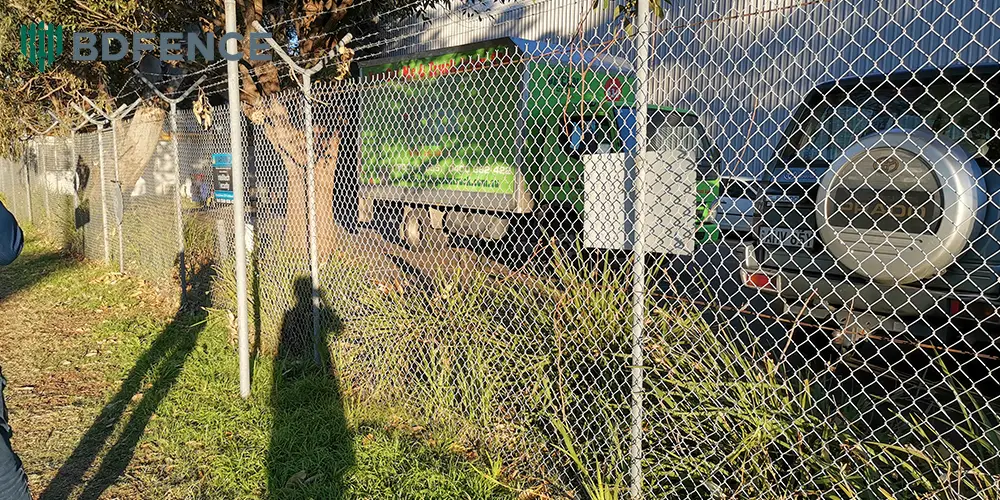
A photograph taken from ten metres away may show a perfectly acceptable chain link fence. Walk closer to the bottom edge and the story can change.
The fabric may be tight near the top but loose near the ground. It might lift at the midpoint between posts or form an uneven line over a shallow dip.
This is not always a wire-quality problem.
A bottom tension wire, where specified, helps restrain the lower edge. It needs its own anchors, correct tension and suitable connections to the fabric.
The mesh should not be expected to hold the tension wire in place. The wire provides support to the mesh, not the other way around.
Ground clearance is another detail to settle.
Too much clearance may undermine the boundary’s containment function. Too little may create contact with the soil, interfere with drainage or make maintenance awkward.
The appropriate clearance depends on the site and the project requirements. For an equipment yard, it may be enough to establish a visible boundary. For a facility containing small animals or materials that must remain inside, the bottom detail may need closer attention.
Don’t leave this decision to whoever happens to stretch the last roll.
What Actually Happens at a Corner?
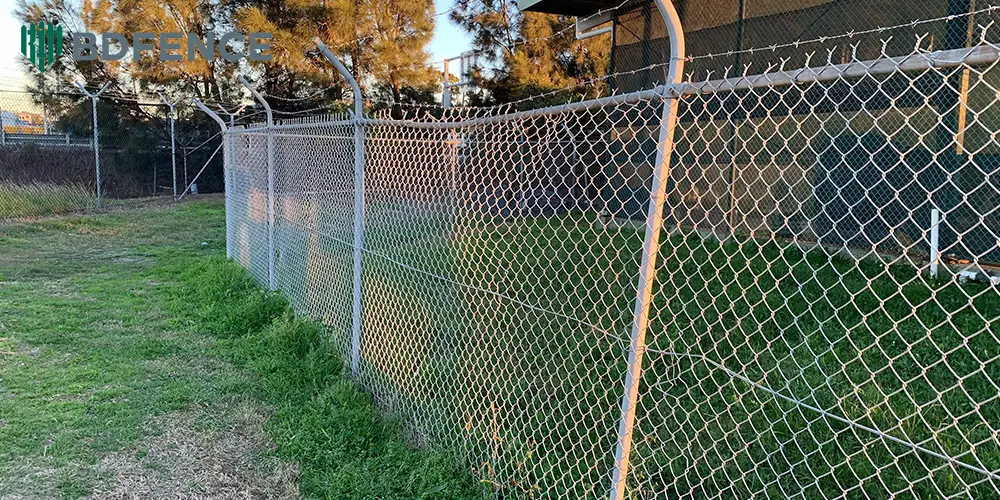
A chain link fence changes direction at a corner, but the fabric still pulls along each adjoining run.
If the installer treats a corner as an ordinary line post, the combined forces can pull the post out of alignment.
Bracing and foundation design matter here.
The same issue appears at intermediate pull points on long boundaries. The contractor may need to interrupt the tension run and start again from an adequately supported post arrangement.
There is no sensible universal post size or footing depth to copy into every project. Fence height, ground conditions, wind exposure and the proposed mesh arrangement all affect the design.
Ask the project designer to identify the terminal and bracing requirements before the manufacturer prepares the post schedule.
A heavier post on its own is not a complete answer if its foundation cannot support the imposed loads.
Don’t Let the Gate Become a Loose End
A vehicle gate breaks the fence line. That sounds obvious, but it has consequences for the materials on both sides.
The fabric approaching the entrance must terminate securely. The gate posts also support the gate leaves, hinges and operating loads.
One post may therefore have more than one structural responsibility.
The gate drawing should show how the chain link fabric ends at the entrance, how the gate frame connects and which components carry the loads.
Check the clear opening, too. A four-metre gate listed on a quotation may describe the leaf arrangement rather than the actual space available to a vehicle.
For a contractor, the difference matters before the concrete goes in.
And pay attention to the ground below a double gate. A centre bolt is not much use if its receiver conflicts with a drain or sits below the finished pavement.
These are not mesh manufacturing defects. They are coordination problems between the fencing package and the site works.
When the Installer Says the Mesh Won’t Pull Straight
There are several possible causes, and increasing the tension is not always the right response.
First, check the posts. Are the terminal posts plumb and adequately braced? Have the foundations reached the condition required for tensioning?
Then look at the mesh itself.
Is the roll opening evenly? Are the spirals interlocked correctly where two lengths join? Has the fabric become twisted during handling? Does the mesh have the correct height and opening?
Check the rails and tension wires before pulling harder.
Over-tensioning a poorly supported run may turn a small fabric problem into a displaced-post problem.
An installer should also use appropriate stretching equipment and methods rather than relying on an improvised pull from a vehicle.
If the fence develops slack after installation, find out what moved. The fabric may need adjustment, but a leaning terminal post calls for a different repair.
What Should an Importer Include in the Order?
Importers often receive a mesh specification first and a request for accessories later.
That is understandable when the end customer has not finalized the site drawings. It becomes risky when the project moves into production without a complete material list.
For a contractor purchasing a full chain link fence package, the RFQ should identify:
| Item | Information Worth Confirming |
|---|---|
| Mesh fabric | Wire diameter, aperture, height, edge finish and coating |
| Rolls | Required lengths and total quantity |
| Line posts | Size, finish and proposed spacing |
| Terminal posts | End, corner, gate and intermediate pull locations |
| Bracing | Brace rails, truss rods and connections where required |
| Top support | Top rail or specified alternative |
| Bottom support | Tension wire and attachment method |
| Fabric connections | Tension bars, bands, ties and hog rings |
| Gates | Clear openings, frames, hardware and post arrangements |
| Drawings | Final boundary layout and changes in ground level |
The table is not a substitute for engineering design. It is a way to make sure the designer’s decisions reach the manufacturer.
For distributors, the approach can be simpler. If customers regularly buy standard mesh rolls, keep the mesh specification consistent and offer clearly matched accessory packages. Don’t assume that every customer needs the same post or bracing arrangement.
A Quick Check Using Two Drawings
There is a useful way to review a chain link fence order before sending it overseas.
Place the site plan beside the fence elevation.
Start at one gate post and follow the entire boundary with a pencil. Every time the fence ends or changes direction, mark the position where the mesh tension must be resolved.
Now look at the elevation.
Where does the bottom tension wire begin and end? How does the fabric attach to the terminal post? Does the top rail continue through the proposed connection? What happens where the ground drops?
Next, trace the gate openings. Check that the post schedule accounts for both the mesh termination and the gate support.
Finally, compare those marks with the supplier’s quotation.
If the drawing shows eight tension termination locations but the material list only provides fittings for two, the order is not ready.
The point of this review is not to redesign the fence in ten minutes. It is to catch missing decisions while changes are still easy to make.
Chain Link Fence Supply for Contractors and Distributors
BDFENCE supplies galvanized and PVC-coated chain link fencing in different wire diameters, mesh openings, heights and roll lengths.
Our chain link fence product range also covers compatible posts, rails, tension bars, bands and related fittings.
If you are preparing a project order, send the fence layout and identify the terminal posts, gates and any special site conditions. We can review the requested product configurations and prepare a material quotation based on your schedule.
For buyers managing several types of perimeter projects, our metal fencing product range includes additional options.
Need a quotation for a complete chain link fence package?
Send us the mesh specification, approximate quantities and site drawing. If the post and accessory schedule is already available, include that too.
BDFENCE — Hebei Bendin Industrial Technology Co., Ltd.
Website: bd-fence.com
WhatsApp: +86 18703287372
Email: info@bd-fence.com