


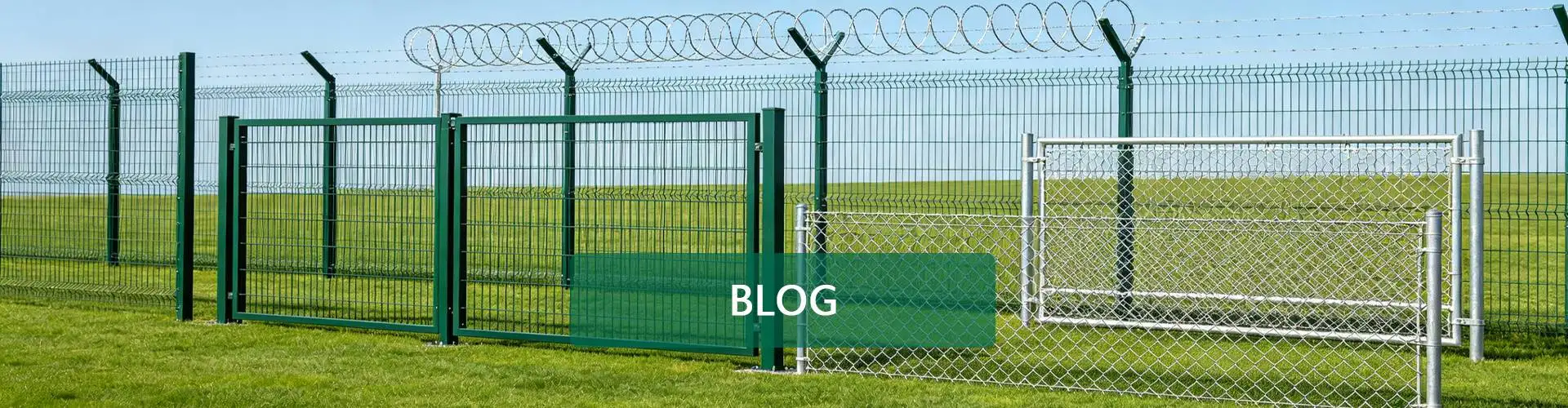
A complete chain link fence system is not only made of wire mesh but also consists of multiple structural components working together to provide stability, security, and long-term durability. Understanding chain link fence parts, including mesh fabric, fence post, tension wire, framework, and accessories, is essential for selecting the right fencing solution for residential, industrial, agricultural, and infrastructure projects.
Compared with other perimeter fencing systems, chain link fence is widely recognized for its cost-effectiveness, flexibility, quick installation, and excellent visibility. A properly designed chain link fence system can provide reliable boundary protection while maintaining airflow and visibility.
Hebei Bendin Industrial Technology Co., Ltd. (BDFENCE) is a professional manufacturer and exporter of metal fencing solutions. With over 30 years of industry experience, a 15,000㎡ modern production facility, 190+ employees, and exports to more than 70 countries, BDFENCE provides customized chain link fence systems for global contractors, distributors, and project owners.
What Is a Chain Link Fence System?
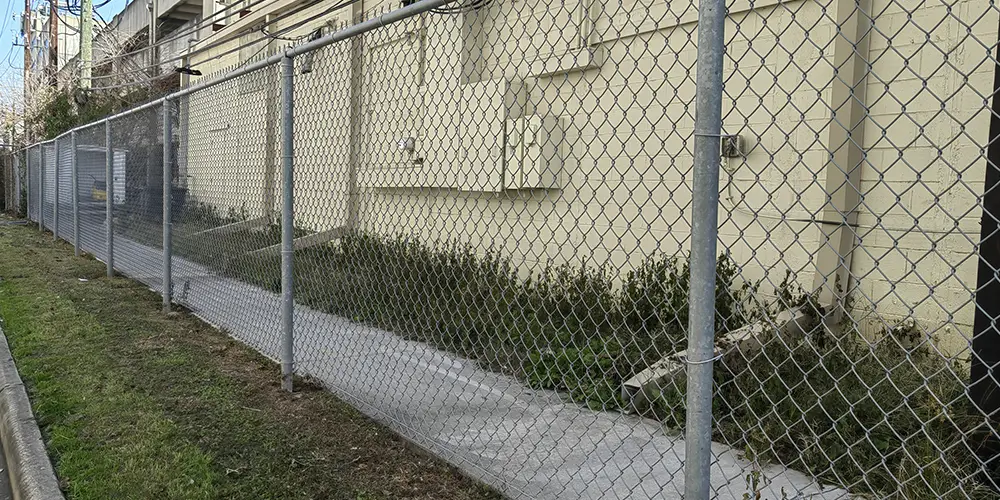
A chain link fence system is a woven wire mesh fencing structure consisting of interconnected steel wires forming a diamond-shaped pattern. The mesh is supported by steel posts, rails, tension wires, and various fixing accessories to create a complete perimeter protection system.
Unlike welded mesh fencing, chain link fence uses a flexible woven structure that provides excellent adaptability to different terrains.
A standard chain link fence system mainly includes:
- Chain link fence mesh fabric
- Fence posts
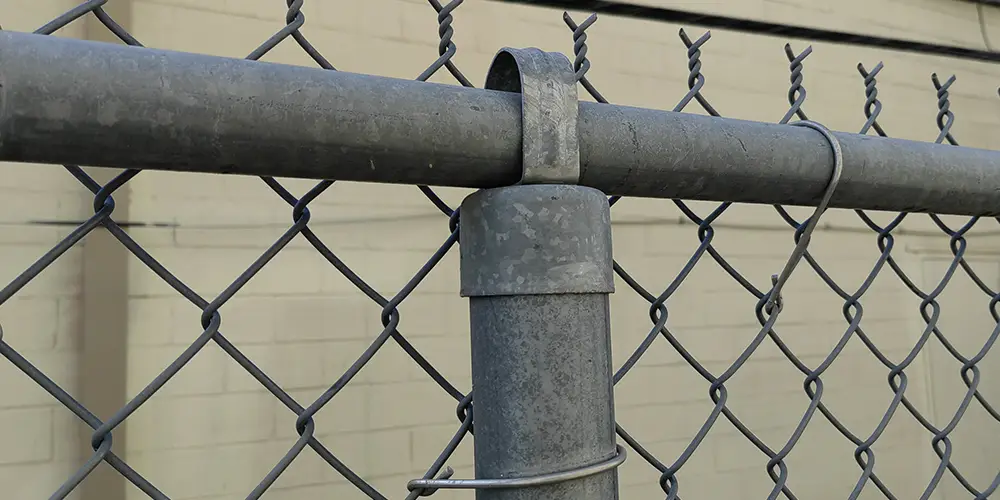
- Top rails
- Tension wire
- Brace bands and tension bands
- Fence fittings and accessories
- Gates
Each component plays an important role in maintaining fence strength and stability.
Main Components of Chain Link Fence System
Chain Link Fence Mesh Fabric
The mesh fabric is the primary barrier component of a chain link fence.
It is manufactured by weaving steel wires into a diamond-shaped pattern.
Mesh Opening Size
Common mesh sizes include:
- 50 mm × 50 mm
- 60 mm × 60 mm
- 75 mm × 75 mm
Smaller mesh openings provide higher security performance.
Wire Diameter
Common wire diameters include:
- 2.0 mm
- 2.5 mm
- 3.0 mm
- 3.5 mm
- 4.0 mm
A thicker wire diameter provides stronger impact resistance and longer service life.
Material Options
Chain link fence mesh is commonly available in:
- Galvanized steel wire
- PVC coated steel wire
- Stainless steel wire
Fence Post Structure and Function
The fence post is one of the most important structural components of a chain link fence system. It supports the mesh fabric and transfers external forces to the ground foundation.
Types of Chain Link Fence Posts
Common post types include:
Line Posts
Line posts are installed between corner posts and provide continuous support for the fence mesh.
Corner Posts
Corner posts are used at direction changes and provide additional structural strength.
Terminal Posts
Terminal posts are installed at:
- Fence ends
- Gate openings
- Structural transition points
They withstand higher tension forces compared with standard posts.
Fence Post Materials
Common materials include:
- Galvanized steel pipe
- Powder coated steel pipe
Surface treatment improves corrosion resistance and outdoor durability.
The Role of Tension Wire in Chain Link Fence
Tension wire is an important component that improves the stability of chain link fence systems.
It is installed along the bottom or top edge of the fence mesh to maintain proper tension.
Functions of Tension Wire
Tension wire helps:
- Prevent mesh deformation
- Keep fence fabric tight
- Improve overall stability
- Increase resistance against external impact
Where Is Tension Wire Installed?
Common installation positions include:
- Bottom tension wire
- Top tension wire
- Intermediate tension wire
For higher security applications, additional tension wires can be installed.
Top Rail and Framework Components
The framework provides additional support and rigidity to the chain link fence system.
Top Rail
The top rail runs horizontally between fence posts.
Its main functions include:
- Supporting the upper edge of mesh
- Maintaining fence alignment
- Improving structural strength
Brace Rail
Brace rails are commonly installed near terminal and corner posts.
They provide:
- Additional reinforcement
- Improved tension support
- Better stability for long fence sections
Chain Link Fence Accessories and Hardware
Small components are essential for a reliable fence installation.
Tension Bands
Tension bands connect the mesh fabric to terminal posts.
They distribute tension forces and secure the fence fabric.
Brace Bands
Brace bands are used for attaching horizontal rails and supporting framework connections.
Tie Wires
Tie wires fasten the mesh fabric to the framework.
Common materials:
- Galvanized wire
- PVC coated wire
Fence Fittings
Additional accessories include:
- Post caps
- Rail ends
- Clamps
- Bolts
- Connectors
High-quality fittings improve installation reliability and service life.
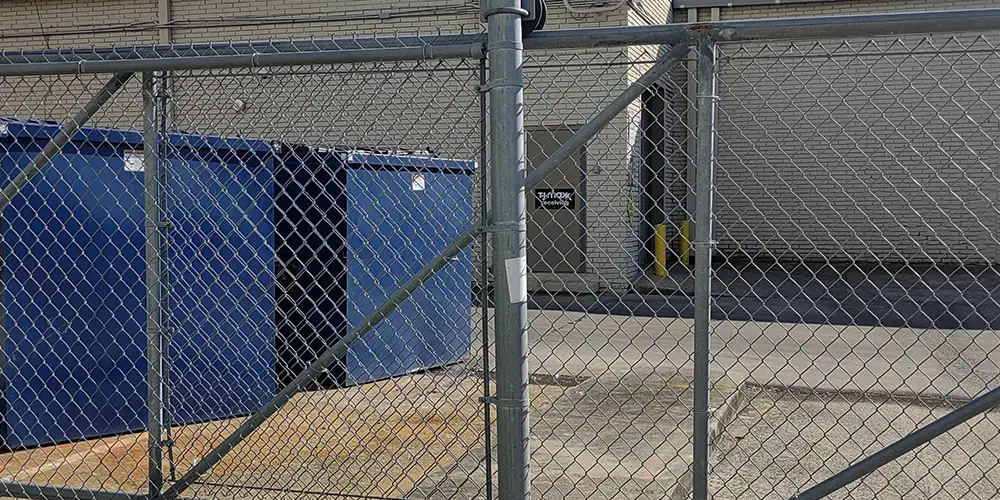
Chain Link Fence Gate Components
A complete chain link fence system usually includes matching gates.
Gate Frame
The gate frame provides structural support and maintains the shape of the entrance.
Hinges
Heavy-duty hinges allow smooth opening and closing.
Gate Latch
Gate latches provide secure access control.
Custom Gate Options
BDFENCE provides:
- Single swing gates
- Double swing gates
- Sliding gates
- Customized access solutions
Materials and Surface Treatment of Chain Link Fence Components
The durability of chain link fence depends heavily on material quality and corrosion protection.
Galvanized Chain Link Fence System
Hot-dip galvanized components provide:
- Excellent rust resistance
- Long outdoor service life
- Reduced maintenance requirements
PVC Coated Chain Link Fence System
PVC coating provides:
- Enhanced corrosion protection
- Improved appearance
- Additional weather resistance
Common colors:
- Green
- Black
- Brown
- Custom RAL colors
Heavy-Duty Security Chain Link Fence
For industrial and high-security projects, thicker wires, stronger posts, and reinforced accessories can be used.
How Chain Link Fence Components Work Together
A successful chain link fence system depends on the cooperation of all components.
Structural Support
Fence posts provide vertical support while rails and tension wires maintain horizontal stability.
Security Performance
The combination of strong mesh fabric, reinforced posts, and secure fittings creates an effective perimeter barrier.
Long-Term Durability
Proper material selection and surface treatment ensure reliable performance in different environments.
Applications of Complete Chain Link Fence Systems
Due to its flexible structure and cost efficiency, chain link fence is widely used worldwide.
Industrial and Commercial Projects
Applications include:
- Factories
- Warehouses
- Logistics parks
- Storage yards
Residential and Community Areas
Common uses:
- Private yards
- Residential communities
- Public parks
Agricultural Applications
Used for:
- Farms
- Livestock areas
- Agricultural boundaries
Sports and Public Facilities
Suitable for:
- Tennis courts
- Football fields
- School playgrounds
Why Choose BDFENCE Chain Link Fence Solutions?
BDFENCE provides complete chain link fence systems with professional manufacturing and customization capabilities.
Advanced Manufacturing Facility
Our 15,000㎡ factory is equipped with more than 80 advanced machines, including:
- High-speed chain link fence machines
- Wire processing equipment
- PE coating lines
- Electrostatic coating lines
- Automated packaging equipment
Strict Quality Control
Every order follows a complete inspection process:
- Raw material inspection
- Production monitoring
- Mesh size inspection
- Wire diameter inspection
- Finished product inspection
Customized Solutions
BDFENCE supports customization of:
- Mesh size
- Wire diameter
- Fence height
- Post specifications
- Surface treatment
- Gate design
- Packaging requirements
Conclusion
Understanding the structure and components of a chain link fence system helps buyers select the right fencing solution for different applications. From chain link fence mesh and fence post systems to tension wire, rails, and accessories, every component contributes to the overall strength, durability, and performance of the fence.
With advanced manufacturing capabilities, strict quality control, and global export experience, Hebei Bendin Industrial Technology Co., Ltd. (BDFENCE) provides reliable chain link fence solutions for industrial, commercial, residential, agricultural, and infrastructure projects worldwide.
Whether you need standard chain link fence products or customized perimeter protection systems, BDFENCE offers professional design support, factory-direct supply, and complete project service.
Contact BDFENCE
Looking for a professional chain link fence manufacturer?
BDFENCE provides customized chain link fence systems, technical consultation, competitive factory pricing, and worldwide delivery services for distributors, contractors, and project owners.
Phone: +86 18703182863
WhatsApp: +86 18703287372
Email: info@bd-fence.com
Contact BDFENCE today for your complete fencing solution.
Frequently Asked Questions (FAQ)
Q1: What are the main parts of a chain link fence?
A: The main chain link fence parts include mesh fabric, fence posts, tension wire, top rails, brace rails, tension bands, tie wires, fittings, and gates.
Q2: What is the function of a fence post in a chain link fence system?
A: The fence post supports the mesh fabric and transfers loads to the ground, providing stability and structural strength.
Q3: Why is tension wire important for chain link fence?
A: Tension wire keeps the mesh tight, prevents deformation, and improves the overall stability of the fence system.
Q4: What materials are used for chain link fence components?
A: Common materials include galvanized steel, PVC coated steel, and stainless steel for special environments.
Q5: Can chain link fence components be customized?
A: Yes. BDFENCE can customize mesh size, wire diameter, fence height, post specifications, coatings, and accessories according to project requirements.