


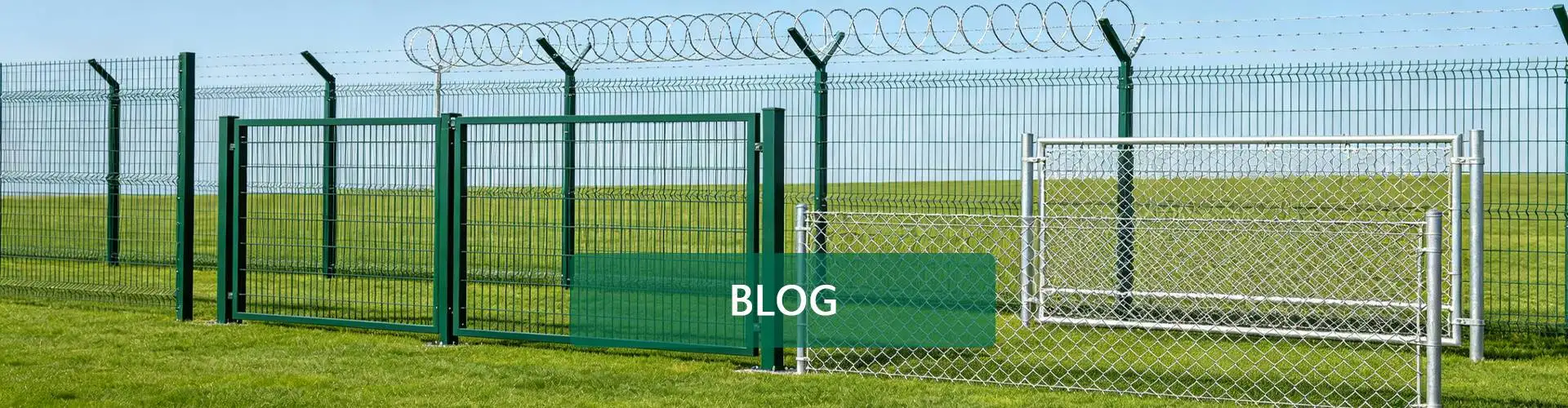

On an oil and gas site, a perimeter fence has to follow the facility layout, not just the property boundary shown on a map. The fence may pass beside service roads, connect to an equipment compound and leave openings for maintenance vehicles. Each of these locations affects the materials needed for the finished installation.
For this illustrative project in Oman, the proposed boundary system uses Chain Link Fence with steel posts, tension components and specified access gates. The objective is to establish a continuous physical boundary while keeping the fence layout practical for site access and maintenance.
The main purchasing challenge is coordination. Mesh rolls, terminal posts, line posts, fittings and gates are often listed separately, but they must work together once the contractor begins installation. A missing component or an unclear post arrangement can create unnecessary work on site.
This case examines the decisions involved in specifying and purchasing the proposed fence system. Oman is the illustrative target market for this example; this is not a verified BDFENCE customer installation.
Project Overview
| Project Item | Details |
|---|---|
| Country | Oman |
| Industry | Oil and Gas |
| Product | Chain Link Fence System |
| Application | Facility perimeter and controlled access points |
| Main Considerations | Boundary layout, outdoor exposure, post configuration and access requirements |
| Proposed Components | Chain link mesh, posts, tension fittings and specified gates |
| Project Status | Illustrative engineering scenario |
First, Separate the Outer Boundary from Restricted Areas
An oil and gas facility may contain several areas with different access requirements. The external property boundary is not necessarily designed in the same way as an equipment compound, maintenance yard or restricted service area.
For the proposed project, the perimeter layout should identify the main fence route, changes in direction, vehicle entrances and any separate fenced enclosures. This information gives the purchasing team a clearer picture of the actual supply requirements.
A single figure showing the total perimeter length is useful for an initial budget, but it does not provide a complete material schedule. The number of corners, gates and terminal points affects the quantities of posts and fittings. Sections beside existing structures may also require different dimensions from the standard runs.
Before requesting a firm quotation, the contractor should mark these locations on the latest site drawing. The supplier can then calculate the mesh and supporting components against the intended layout instead of making assumptions about where the fence starts, stops or changes direction.
Why Chain Link Mesh May Suit This Application
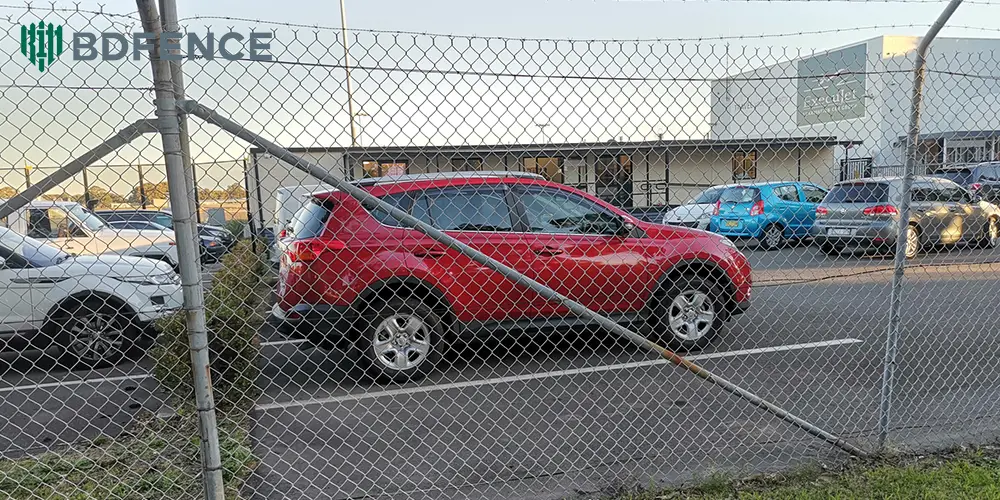
Chain link mesh provides a continuous boundary without creating a solid visual barrier. Its open structure allows visibility through the fence, which can be useful along service roads and around areas where personnel need to observe activity on the other side.
The product is also available in different wire diameters, mesh openings and finishes. This gives project designers options when defining a system for the required application.
However, the mesh should not be treated as the entire security solution. A perimeter’s performance depends on the posts, tensioning system, gates, installation and any additional security measures specified for the facility.
For an oil and gas project, the approved security design should determine the required fence configuration. The manufacturer needs that specification to supply the correct materials; a general request for industrial chain link fencing does not establish the full security requirement.
The Mesh Specification Must Be Clear Before Pricing
Two quotations can describe the same chain link fence while using different mesh specifications. If the buyer compares only the price per roll or per meter, those differences may go unnoticed.
The request for quotation should define the following items:
- Required fence height.
- Mesh opening size.
- Wire diameter in millimeters.
- Galvanized or PVC-coated finish, as specified.
- Top and bottom selvage requirements, where applicable.
- Total quantity and any nonstandard sections.
If the project specification uses wire gauge, identify the applicable standard or provide the required millimeter diameter. Gauge numbers should not be assumed equivalent across different conventions.
For PVC-coated mesh, state whether the required diameter refers to the steel core or the finished wire after coating. This distinction can affect the quoted product, so it should be settled before the supplier prepares the final offer.
Posts and Tension Components Are Part of the Same System
Chain link mesh needs a suitable supporting structure. Line posts support the regular fence runs, while terminal posts are used at ends, corners and other locations where the mesh tension terminates or changes. Gate posts have separate requirements because they support the gate structure.
These components should not automatically be specified using one standard post size. Their dimensions and installation details depend on the approved fence design and site conditions.
The tensioning arrangement also needs to be included. Depending on the system, the required components may include tension bars, tension bands, ties, top rails or other specified fittings. The exact combination should follow the project documents.
For the purchasing team, the practical question is whether the supplier is quoting mesh alone or a complete framework package. If the posts and fittings will be sourced separately, compatibility should be checked before the order is placed.
A material schedule that distinguishes line posts, terminal posts, gate posts and fittings makes the supply scope easier to review. It also reduces the chance of discovering that the mesh has arrived but the installation team still needs components that were never included in the order.
Foundation Details Should Follow the Approved Site Design
Oil and gas facilities can cover large areas, and the conditions along a fence route may not be uniform. Ground levels, soil conditions, drainage and existing concrete structures can all influence the installation arrangement.
Some designs use posts embedded in concrete foundations. Others may use base plates attached to an engineered concrete structure. The suitable method depends on the project design and the supporting conditions.
Post lengths and spacing should therefore be checked against the approved drawings before manufacturing. A generic embedment depth should not be assumed suitable for every site, and the fence supplier should not replace the responsible engineer’s foundation design with a standard recommendation.
Where the fence crosses a drainage route or uneven ground, the contractor should identify the location on the layout and obtain the appropriate installation detail. This helps ensure that the fence follows the site while respecting drainage and access requirements.
Outdoor Exposure and Corrosion Protection
Oman has a generally hot, dry climate, but exposure conditions can vary between inland locations, coastal areas and industrial sites. The coating specification should reflect the actual location and the project’s technical requirements rather than relying on a general assumption about the country.
Depending on the approved specification, the fence may use galvanized mesh, PVC-coated mesh or another defined protective system. The buyer should identify the required coating standard and any relevant acceptance criteria.
The supporting components need the same attention. Posts, tension bars, bands, gate frames and exposed fasteners are part of the outdoor assembly. Specifying the finish for the mesh alone leaves uncertainty about the remaining steelwork.
If the project has a defined corrosion-protection requirement, include it in the RFQ. Where the finish differs between mesh and framework components, list those requirements separately so suppliers can quote accurately.
Access Gates Need Their Own Schedule
Access requirements can change the fence layout considerably. An oil and gas facility may need openings for maintenance vehicles, deliveries and authorized personnel. These openings should be identified before the mesh quantity and post schedule are finalized.
For each gate, the project documents should define the clear opening, height, frame arrangement, support posts and required hardware. If automated operation or access-control equipment is specified, those interfaces should be coordinated with the relevant system suppliers.
The gate also affects the adjacent fence runs. Mesh sections may need to terminate at the gate posts, and the closing panels on either side may not match standard widths.
For procurement, list the gates separately in the BOQ. State whether the supplier is expected to provide the gate structure only or a package that includes the specified hinges, locking components and other hardware. Automation equipment and electrical works should be included only when explicitly agreed.
What the BOQ Should Include
A clear bill of quantities helps the contractor and manufacturer work from the same material schedule. For this type of project, it should separate the mesh, framework, fittings, gates and any special sections.
| BOQ Item | Information to Confirm |
|---|---|
| Chain Link Mesh | Height, opening, wire diameter, selvage and coating |
| Line Posts | Section, length, spacing and finish |
| Terminal Posts | Corner and end locations, dimensions and connection details |
| Tension Components | Required bars, bands, ties, rails and quantities |
| Gates | Opening dimensions, frames, support posts and hardware |
| Foundation Interface | Approved embedded-post or base-plate arrangement |
| Special Sections | Short closing runs, drainage crossings and changes in direction |
| Surface Treatment | Required protection for mesh, posts and fittings |
| Packing | Component identification and shipment arrangement |
Not every project requires every item listed above. The approved design determines the actual scope. The point of the BOQ is to make the required components visible so that different suppliers do not make conflicting assumptions.
Before approving a quotation, check whether the price covers mesh only or the complete fence system. A lower mesh price may not represent a lower project cost once posts, tension components, gates and shipping are included.
Comparing Overseas Supplier Quotations
For an EPC contractor, the useful comparison is between quotations that meet the same technical requirements. Differences in wire diameter, mesh opening, coating, post configuration or supply scope can explain why two prices are far apart.
Review the product specifications first. Then check quantities, gate inclusions, packing arrangements, delivery terms and any exclusions. If the project is still at the budget stage, identify which dimensions remain provisional rather than treating an early estimate as a final manufacturing order.
It is also worth checking that the quotation refers to the latest drawing revision. If a gate has moved or an equipment enclosure has been added, the material quantities may need to be updated.
For an overseas order, resolving these questions before production is generally easier than arranging replacement components after delivery.
How BDFENCE Can Support Oil and Gas Fence Procurement
BDFENCE is a China-based metal fencing manufacturer supplying overseas contractors, distributors and project buyers. Our team has more than 30 years of experience in metal fence manufacturing.
For an oil and gas facility enquiry, useful documents include the site layout, fence specification, BOQ, gate schedule and any available post or foundation drawings. These documents help establish the requested mesh, framework, fittings and access components.
BDFENCE can review the specified chain link mesh and related manufactured components against the information provided. Where the site layout contains special sections or different gate requirements, those details should be identified before the final quantities are confirmed.
Site-specific engineering, foundation approval and the facility’s overall security design remain the responsibility of the project’s qualified professionals. The manufacturer’s role is to supply the agreed components to the confirmed specifications.
If you are preparing a fence package for an oil and gas facility, send your drawing, BOQ or technical specification through Contact BDFENCE to request a project-based quotation.
FAQ
Why use Chain Link Fence around an oil and gas facility?
Chain link fencing provides a continuous physical boundary while allowing visibility through the mesh. Its suitability depends on the facility’s security requirements, site conditions and approved design.
What mesh specification should be included in the RFQ?
Define the fence height, mesh opening, wire diameter, selvage and coating requirements. If the project uses gauge, identify the applicable standard or specify the required diameter in millimeters.
Should the quotation include posts and fittings?
That depends on the required supply scope. If the project needs a complete fence system, the BOQ should identify the posts, tension components, fittings and gates that must be included.
Does the fence need a different coating for coastal exposure?
The required protection depends on the actual exposure conditions and project specification. The buyer should confirm the approved coating system for the mesh, framework and exposed hardware.
Can chain link fencing be installed on uneven ground?
It can accommodate some changes in ground level, but the installation arrangement and required clearances should follow the approved site design.
What documents help obtain an accurate quotation?
A site layout, BOQ, mesh specification, post schedule, gate requirements and coating details are useful. Approved foundation drawings can also help clarify the installation arrangement.
Contact BDFENCE
Hebei Bendin Industrial Technology Co., Ltd. (BDFENCE)
Planning an oil and gas perimeter project? Send your site layout, BOQ or technical specification for a quotation based on the required mesh, posts, fittings and gates.
Phone: +86 18703182863
WhatsApp: +86 18703287372
Email: info@bd-fence.com
Website: https://bd-fence.com/
Inquiry: Contact BDFENCE