

x
Send Your Inquiry Today
Quick Quote
Chain Link Fence Manufacturing Process | How Chain Link Fence Is Manufactured Step by Step

Chain Link Fence Manufacturing Process | How Chain Link Fence Is Manufactured Step by Step

The quality of a chain link fence depends heavily on the manufacturing process, from raw wire selection and mesh weaving to surface treatment, inspection, and final packaging. Understanding the complete production process helps global buyers choose a reliable chain link fence factory that can provide stable quality, customized solutions, and long-term supply capability.

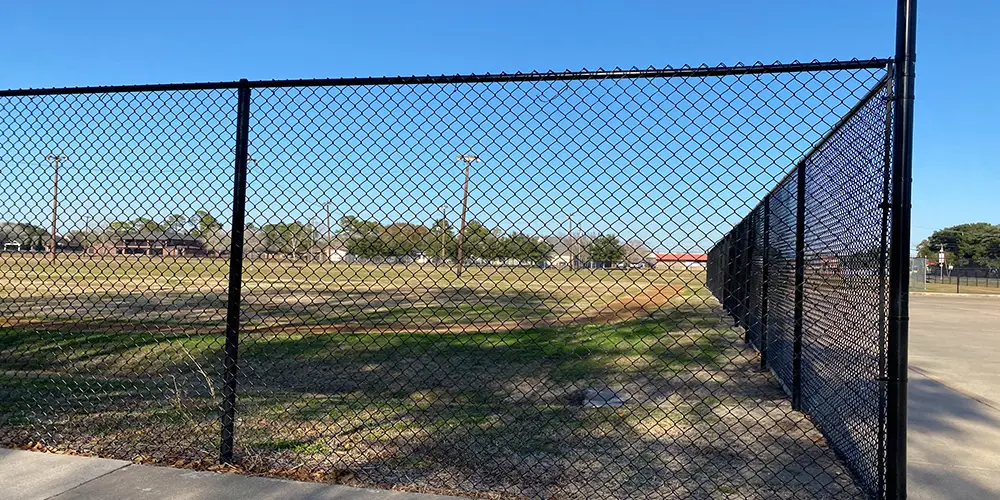
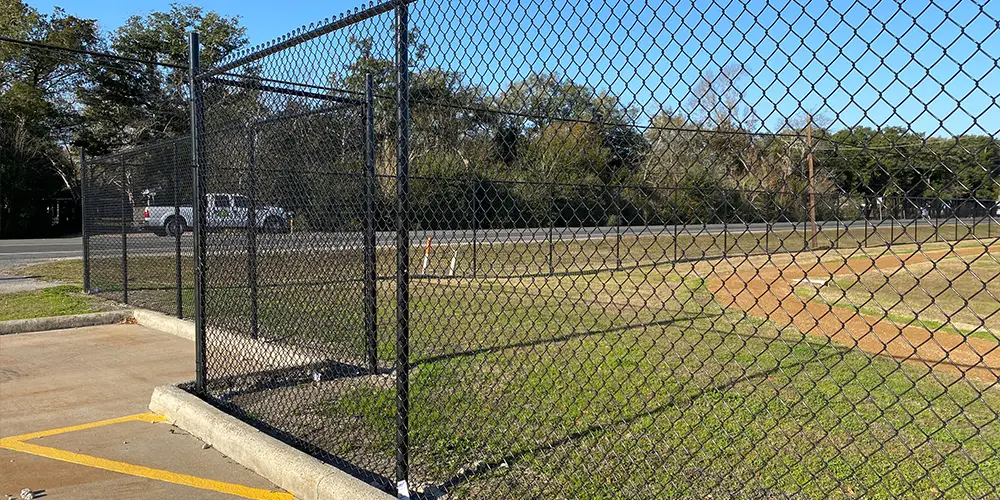
As one of the most widely used perimeter fencing systems, chain link fence is valued for its flexibility, durability, cost-effectiveness, and easy installation. It is commonly applied in industrial facilities, residential areas, sports fields, farms, highways, construction sites, and security projects.

Hebei Bendin Industrial Technology Co., Ltd. (BDFENCE) is a professional manufacturer and exporter of metal fencing solutions. With more than 30 years of fencing industry expertise, a 15,000㎡ modern manufacturing facility, 190+ employees, and more than 80 advanced machines, BDFENCE provides customized chain link fence systems for customers in over 70 countries worldwide.

What Is Chain Link Fence?

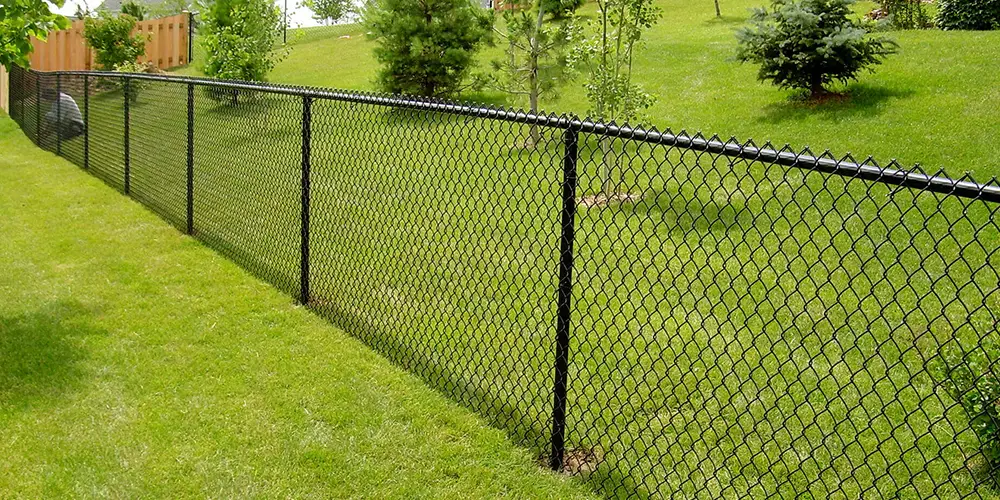
A chain link fence is a woven wire mesh fencing system created by interlocking steel wires into a diamond-shaped pattern.

Unlike welded mesh fencing, chain link fence uses a flexible weaving method, allowing it to adapt to different terrains while maintaining excellent strength and durability.

A complete chain link fence system usually includes:

  • Wire mesh fabric
  • Fence posts
  • Top rails
  • Tension wire
  • Fence fittings
  • Gates

The manufacturing quality of each component directly affects the overall performance of the final fence system.


Step 1: Raw Material Selection in Chain Link Fence Factory

The manufacturing process begins with selecting suitable steel wire materials.

A professional chain link fence factory must carefully control raw material quality before production.

Steel Wire Selection

Common materials include:

  • Galvanized steel wire
  • PVC coated steel wire
  • Stainless steel wire

The wire quality determines:

  • Tensile strength
  • Corrosion resistance
  • Service life
  • Mesh stability

Raw Material Inspection

Before processing, BDFENCE performs inspections including:

  • Wire diameter measurement
  • Surface quality checking
  • Material verification
  • Zinc coating inspection

Only qualified materials enter the production line.


Step 2: Wire Drawing and Diameter Processing

Steel wire may require additional processing before weaving.

Wire Drawing Process

Wire drawing reduces the diameter of steel wire while improving:

  • Surface smoothness
  • Dimensional accuracy
  • Mechanical strength

Different projects require different wire diameters.

Common options include:

  • 2.0 mm
  • 2.5 mm
  • 3.0 mm
  • 3.5 mm
  • 4.0 mm

Step 3: Wire Surface Treatment

Surface treatment is essential for outdoor durability.

Galvanized Wire Treatment

Galvanized steel wire provides:

  • Rust resistance
  • Weather protection
  • Long outdoor service life

It is commonly used for:

  • Industrial fencing
  • Agricultural fencing
  • Security barriers

PVC Coating Process

PVC coated wire adds an additional protective layer.

Advantages include:

  • Improved corrosion resistance
  • Better appearance
  • Color customization

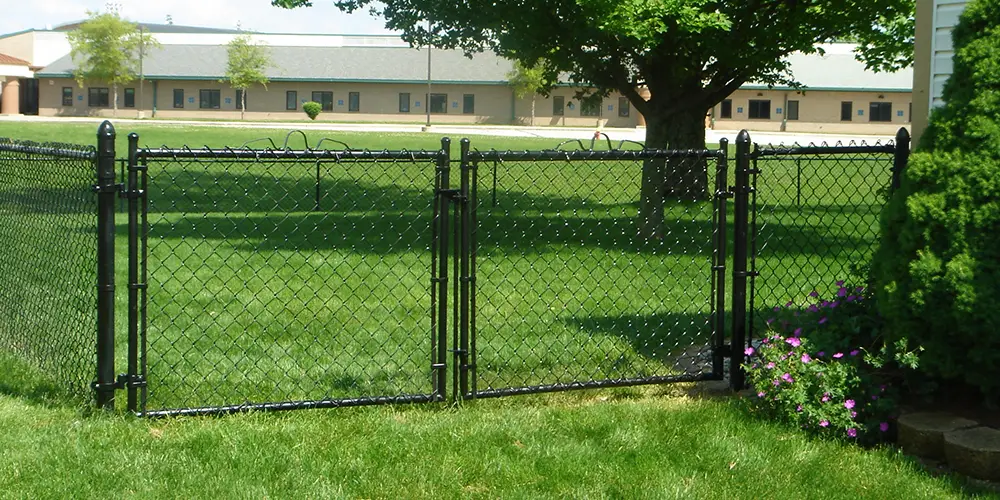
Common colors:

  • Green
  • Black
  • Brown

Step 4: Wire Weaving Fence Production Process

The core manufacturing step is the mesh weaving process.

Automatic Wire Weaving Machine

A professional wire weaving fence production line uses automatic chain link fence machines to weave steel wire into diamond mesh.

The machine performs:

  • Wire feeding
  • Spiral forming
  • Mesh interlocking
  • Cutting
  • Edge finishing

Diamond Mesh Formation

During weaving, individual wires are connected together to create a stable diamond pattern.

Common mesh sizes include:

  • 25 mm × 25 mm
  • 40 mm × 40 mm
  • 50 mm × 50 mm
  • 60 mm × 60 mm
  • 75 mm × 75 mm

The smaller the mesh opening, the higher the security performance.

Step 5: Edge Finishing and Mesh Cutting

After weaving, the chain link mesh is processed according to customer requirements.

Edge Types

Common edge options include:

Knuckle Edge

The wire ends are bent back to create a smooth finish.

Advantages:

  • Safer handling
  • Reduced sharp edges

Twist Edge

The wire ends are twisted together for improved strength.

Advantages:

  • Higher security
  • Better structural stability

Knuckle and Twist Combination

Used for projects requiring additional security performance.


Step 6: Fence Panel and Roll Production

Chain link fence is usually supplied in rolls.

Standard Roll Manufacturing

The mesh is:

  • Cut to required height
  • Rolled into compact packages
  • Secured for transportation

Common roll heights:

  • 1.0 m
  • 1.2 m
  • 1.5 m
  • 1.8 m
  • 2.0 m
  • 3.0 m

Custom sizes are available.


Step 7: Fence Post and Accessory Manufacturing

A complete chain link fence system requires supporting components.

Fence Post Production

Fence posts are manufactured through:

  • Steel pipe cutting
  • Welding
  • Surface treatment
  • Powder coating

Common post types:

  • Line posts
  • Corner posts
  • Terminal posts

Accessory Production

Additional components include:

  • Tension wire
  • Tension bands
  • Tie wires
  • Post caps
  • Rail fittings

These accessories ensure stable installation.


Step 8: Quality Inspection Before Shipment

Quality control is an essential part of the manufacturing process.

BDFENCE conducts inspections including:

Mesh Inspection

Checking:

  • Mesh opening size
  • Wire diameter
  • Roll length
  • Weaving quality

Surface Inspection

Checking:

  • Galvanization quality
  • PVC coating thickness
  • Surface appearance

Final Product Inspection

Before shipment, products are inspected for:

  • Packaging condition
  • Product quantity
  • Accessories matching
  • Export requirements

Step 9: Packaging and Global Delivery

Proper packaging protects products during international transportation.

Export Packaging

BDFENCE uses:

  • Waterproof packaging
  • Compact roll packaging
  • Container loading optimization

Global Shipping Support

We provide:

  • Export documentation
  • Logistics coordination
  • Sea transportation solutions

Serving customers across:

  • North America
  • Europe
  • Middle East
  • Southeast Asia
  • Oceania


Advantages of Choosing a Professional Chain Link Fence Factory

Working directly with an experienced manufacturer provides several benefits.

Consistent Product Quality

Professional factories provide:

  • Standardized production processes
  • Advanced equipment
  • Quality inspection systems

Custom Manufacturing

Customers can customize:

  • Mesh size
  • Wire diameter
  • Fence height
  • Coating type
  • Color
  • Packaging

Better Cost Control

Factory-direct cooperation provides:

  • Competitive pricing
  • Faster communication
  • Flexible production schedules

Why Choose BDFENCE Chain Link Fence Manufacturing?

BDFENCE combines advanced manufacturing technology with professional fencing experience.

Modern Production Facility

Our 15,000㎡ factory includes:

  • High-speed chain link fence machines
  • Wire processing equipment
  • PE coating lines
  • Electrostatic coating systems
  • Automated packaging equipment

Professional Manufacturing Team

Our 190+ employees include:

  • Production specialists
  • Technical engineers
  • Quality inspectors
  • International sales teams

Global Export Experience

BDFENCE chain link fence products are supplied to:

  • Contractors
  • Distributors
  • Industrial companies
  • Government projects
  • Infrastructure developers

Conclusion

The manufacturing process of chain link fence involves multiple precise steps, including raw material selection, wire processing, surface treatment, mesh weaving, accessory production, quality inspection, and packaging.

Choosing a professional chain link fence factory ensures reliable quality, consistent supply, and customized solutions for different applications.

With advanced equipment, strict quality control, and over 30 years of fencing industry expertise, Hebei Bendin Industrial Technology Co., Ltd. (BDFENCE) provides high-quality chain link fence systems for global customers.

Whether you need industrial perimeter fencing, sports field fencing, agricultural fencing, or security protection systems, BDFENCE delivers reliable manufacturing solutions tailored to your project requirements.

Contact BDFENCE

Looking for a reliable chain link fence factory?

BDFENCE provides customized chain link fence solutions, professional manufacturing support, competitive factory pricing, and worldwide delivery services.

WhatsApp: +86 18703287372

Email:

The quality of a chain link fence depends heavily on the manufacturing process, from raw wire selection and mesh weaving to surface treatment, inspection, and final packaging. Understanding the complete production process helps global buyers choose a reliable chain link fence factory that can provide stable quality, customized solutions, and long-term supply capability.

As one of the most widely used perimeter fencing systems, chain link fence is valued for its flexibility, durability, cost-effectiveness, and easy installation. It is commonly applied in industrial facilities, residential areas, sports fields, farms, highways, construction sites, and security projects.

Hebei Bendin Industrial Technology Co., Ltd. (BDFENCE) is a professional manufacturer and exporter of metal fencing solutions. With more than 30 years of fencing industry expertise, a 15,000㎡ modern manufacturing facility, 190+ employees, and more than 80 advanced machines, BDFENCE provides customized chain link fence systems for customers in over 70 countries worldwide.


What Is Chain Link Fence?

A chain link fence is a woven wire mesh fencing system created by interlocking steel wires into a diamond-shaped pattern.

Unlike welded mesh fencing, chain link fence uses a flexible weaving method, allowing it to adapt to different terrains while maintaining excellent strength and durability.

A complete chain link fence system usually includes:

  • Wire mesh fabric
  • Fence posts
  • Top rails
  • Tension wire
  • Fence fittings
  • Gates

The manufacturing quality of each component directly affects the overall performance of the final fence system.


Step 1: Raw Material Selection in Chain Link Fence Factory

The manufacturing process begins with selecting suitable steel wire materials.

A professional chain link fence factory must carefully control raw material quality before production.

Steel Wire Selection

Common materials include:

  • Galvanized steel wire
  • PVC coated steel wire
  • Stainless steel wire

The wire quality determines:

  • Tensile strength
  • Corrosion resistance
  • Service life
  • Mesh stability

Raw Material Inspection

Before processing, BDFENCE performs inspections including:

  • Wire diameter measurement
  • Surface quality checking
  • Material verification
  • Zinc coating inspection

Only qualified materials enter the production line.


Step 2: Wire Drawing and Diameter Processing

Steel wire may require additional processing before weaving.

Wire Drawing Process

Wire drawing reduces the diameter of steel wire while improving:

  • Surface smoothness
  • Dimensional accuracy
  • Mechanical strength

Different projects require different wire diameters.

Common options include:

  • 2.0 mm
  • 2.5 mm
  • 3.0 mm
  • 3.5 mm
  • 4.0 mm

Step 3: Wire Surface Treatment

Surface treatment is essential for outdoor durability.

Galvanized Wire Treatment

Galvanized steel wire provides:

  • Rust resistance
  • Weather protection
  • Long outdoor service life

It is commonly used for:

  • Industrial fencing
  • Agricultural fencing
  • Security barriers

PVC Coating Process

PVC coated wire adds an additional protective layer.

Advantages include:

  • Improved corrosion resistance
  • Better appearance
  • Color customization

Common colors:

  • Green
  • Black
  • Brown

Step 4: Wire Weaving Fence Production Process

The core manufacturing step is the mesh weaving process.

Automatic Wire Weaving Machine

A professional wire weaving fence production line uses automatic chain link fence machines to weave steel wire into diamond mesh.

The machine performs:

  • Wire feeding
  • Spiral forming
  • Mesh interlocking
  • Cutting
  • Edge finishing

Diamond Mesh Formation

During weaving, individual wires are connected together to create a stable diamond pattern.

Common mesh sizes include:

  • 25 mm × 25 mm
  • 40 mm × 40 mm
  • 50 mm × 50 mm
  • 60 mm × 60 mm
  • 75 mm × 75 mm

The smaller the mesh opening, the higher the security performance.


Step 5: Edge Finishing and Mesh Cutting

After weaving, the chain link mesh is processed according to customer requirements.

Edge Types

Common edge options include:

Knuckle Edge

The wire ends are bent back to create a smooth finish.

Advantages:

  • Safer handling
  • Reduced sharp edges

Twist Edge

The wire ends are twisted together for improved strength.

Advantages:

  • Higher security
  • Better structural stability

Knuckle and Twist Combination

Used for projects requiring additional security performance.


Step 6: Fence Panel and Roll Production

Chain link fence is usually supplied in rolls.

Standard Roll Manufacturing

The mesh is:

  • Cut to required height
  • Rolled into compact packages
  • Secured for transportation

Common roll heights:

  • 1.0 m
  • 1.2 m
  • 1.5 m
  • 1.8 m
  • 2.0 m
  • 3.0 m

Custom sizes are available.


Step 7: Fence Post and Accessory Manufacturing

A complete chain link fence system requires supporting components.

Fence Post Production

Fence posts are manufactured through:

  • Steel pipe cutting
  • Welding
  • Surface treatment
  • Powder coating

Common post types:

  • Line posts
  • Corner posts
  • Terminal posts

Accessory Production

Additional components include:

  • Tension wire
  • Tension bands
  • Tie wires
  • Post caps
  • Rail fittings

These accessories ensure stable installation.


Step 8: Quality Inspection Before Shipment

Quality control is an essential part of the manufacturing process.

BDFENCE conducts inspections including:

Mesh Inspection

Checking:

  • Mesh opening size
  • Wire diameter
  • Roll length
  • Weaving quality

Surface Inspection

Checking:

  • Galvanization quality
  • PVC coating thickness
  • Surface appearance

Final Product Inspection

Before shipment, products are inspected for:

  • Packaging condition
  • Product quantity
  • Accessories matching
  • Export requirements

Step 9: Packaging and Global Delivery

Proper packaging protects products during international transportation.

Export Packaging

BDFENCE uses:

  • Waterproof packaging
  • Compact roll packaging
  • Container loading optimization

Global Shipping Support

We provide:

  • Export documentation
  • Logistics coordination
  • Sea transportation solutions

Serving customers across:

  • North America
  • Europe
  • Middle East
  • Southeast Asia
  • Oceania

Advantages of Choosing a Professional Chain Link Fence Factory

Working directly with an experienced manufacturer provides several benefits.

Consistent Product Quality

Professional factories provide:

  • Standardized production processes
  • Advanced equipment
  • Quality inspection systems

Custom Manufacturing

Customers can customize:

  • Mesh size
  • Wire diameter
  • Fence height
  • Coating type
  • Color
  • Packaging

Better Cost Control

Factory-direct cooperation provides:

  • Competitive pricing
  • Faster communication
  • Flexible production schedules

Why Choose BDFENCE Chain Link Fence Manufacturing?

BDFENCE combines advanced manufacturing technology with professional fencing experience.

Modern Production Facility

Our 15,000㎡ factory includes:

  • High-speed chain link fence machines
  • Wire processing equipment
  • PE coating lines
  • Electrostatic coating systems
  • Automated packaging equipment

Professional Manufacturing Team

Our 190+ employees include:

  • Production specialists
  • Technical engineers
  • Quality inspectors
  • International sales teams

Global Export Experience

BDFENCE chain link fence products are supplied to:

  • Contractors
  • Distributors
  • Industrial companies
  • Government projects
  • Infrastructure developers

Conclusion

The manufacturing process of chain link fence involves multiple precise steps, including raw material selection, wire processing, surface treatment, mesh weaving, accessory production, quality inspection, and packaging.

Choosing a professional chain link fence factory ensures reliable quality, consistent supply, and customized solutions for different applications.

With advanced equipment, strict quality control, and over 30 years of fencing industry expertise, Hebei Bendin Industrial Technology Co., Ltd. (BDFENCE) provides high-quality chain link fence systems for global customers.

Whether you need industrial perimeter fencing, sports field fencing, agricultural fencing, or security protection systems, BDFENCE delivers reliable manufacturing solutions tailored to your project requirements.


Contact BDFENCE

Looking for a reliable chain link fence factory?

BDFENCE provides customized chain link fence solutions, professional manufacturing support, competitive factory pricing, and worldwide delivery services.

WhatsApp: +86 18703287372

Email: info@bd-fence.com

Contact BDFENCE today for your chain link fence project.


Frequently Asked Questions (FAQ)

Q1: How is chain link fence manufactured?

A: Chain link fence is manufactured through several steps including wire preparation, surface treatment, automatic weaving, edge finishing, quality inspection, and packaging.

Q2: What machine is used to produce chain link fence?

A: Professional factories use automatic chain link fence machines that weave steel wire into diamond mesh patterns.

Q3: What materials are used for chain link fence production?

A: Common materials include galvanized steel wire, PVC coated steel wire, and stainless steel wire.

Q4: What is wire weaving fence?

A: Wire weaving fence refers to fencing produced by interlocking steel wires through weaving technology, creating flexible mesh structures such as chain link fence.

Q5: Can chain link fence be customized?

A: Yes. BDFENCE can customize wire diameter, mesh size, fence height, coating type, colors, and packaging according to customer requirements.

Q6: How long does galvanized chain link fence last?

A: High-quality galvanized chain link fence can provide many years of outdoor service depending on environment and maintenance conditions.

Contact BDFENCE today for your chain link fence project.


Frequently Asked Questions (FAQ)

Q1: How is chain link fence manufactured?

A: Chain link fence is manufactured through several steps including wire preparation, surface treatment, automatic weaving, edge finishing, quality inspection, and packaging.

Q2: What machine is used to produce chain link fence?

A: Professional factories use automatic chain link fence machines that weave steel wire into diamond mesh patterns.

Q3: What materials are used for chain link fence production?

A: Common materials include galvanized steel wire, PVC coated steel wire, and stainless steel wire.

Q4: What is wire weaving fence?

A: Wire weaving fence refers to fencing produced by interlocking steel wires through weaving technology, creating flexible mesh structures such as chain link fence.

Q5: Can chain link fence be customized?

A: Yes. BDFENCE can customize wire diameter, mesh size, fence height, coating type, colors, and packaging according to customer requirements.

Q6: How long does galvanized chain link fence last?

A: High-quality galvanized chain link fence can provide many years of outdoor service depending on environment and maintenance conditions.

Scroll to Top