


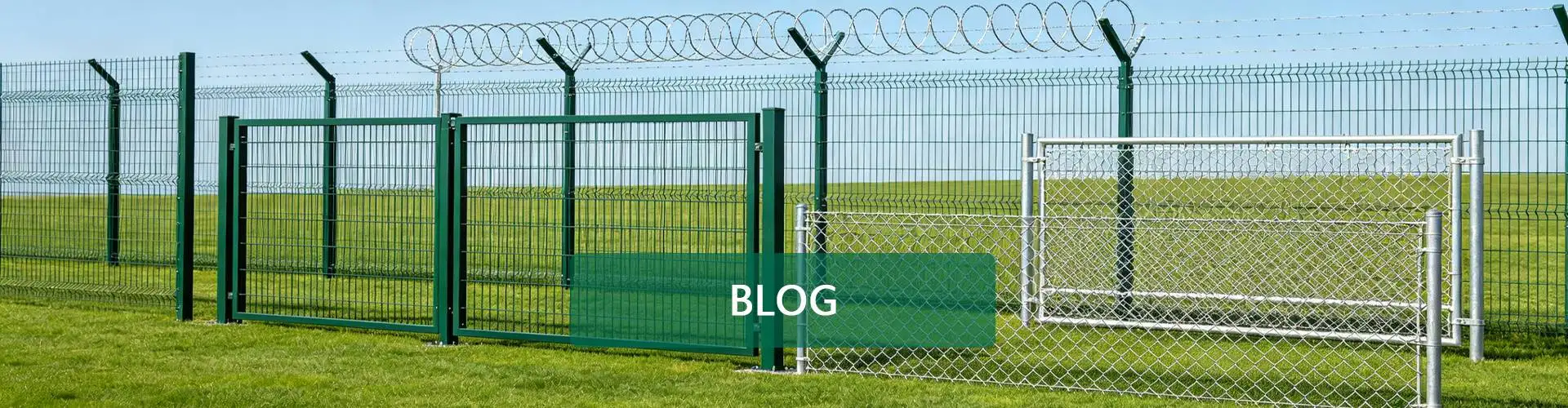
When buyers request a Chain Link Fence quotation, they often focus on the mesh fabric first.
The wire diameter, mesh opening and coating are important, but the mesh itself is only one part of the complete fence system.
A properly installed chain link fence also requires a supporting framework, including terminal posts, line posts, top rails and related fittings.
These components determine how the mesh is supported, tensioned and connected along the perimeter.
For overseas buyers, understanding the framework is especially important because different suppliers may quote different levels of supply. One factory may offer mesh rolls only, while another may provide a complete fence package.
This guide explains the role of terminal posts, line posts and top rails, and what buyers should confirm before ordering a complete chain link fence system.
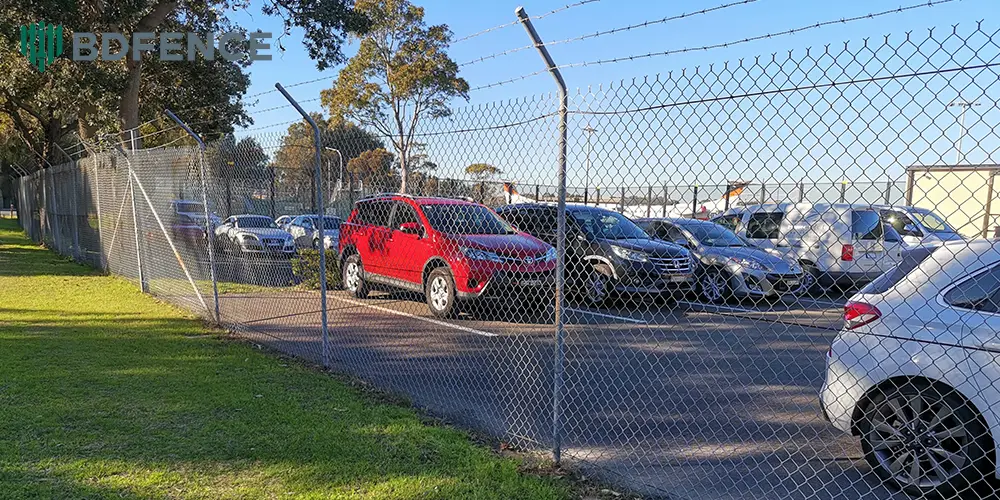
The Chain Link Fence Is More Than Mesh Fabric
A chain link fence works as a complete structure.
The woven mesh provides the visible barrier, but the framework keeps the fence stable and maintains the correct tension.
A typical framework may include:
- terminal posts;
- line posts;
- top rails;
- tension bars;
- tension bands;
- tie wires or clips;
- gate posts.
Each component has a different function.
A mistake in one part can affect the performance of the whole fence. For example, a strong mesh attached to unsuitable posts may not create the expected perimeter system.
This is why professional buyers usually review the mesh and framework together rather than purchasing them separately without checking compatibility.
Terminal Posts: The Main Support Points
Terminal posts are installed at locations where the fence direction changes or where the mesh tension needs to end.
Common terminal post locations include:
- corners;
- fence ends;
- gate openings;
- changes in fence direction.
Unlike regular line posts, terminal posts handle greater tension forces because the mesh is stretched and secured at these points.
For this reason, terminal posts are normally stronger than standard line posts.
Their specification may involve:
- larger steel section;
- greater wall thickness;
- different foundation requirements;
- additional fittings.
A common purchasing mistake is calculating all posts using one standard size.
Large perimeter projects usually require different quantities of line posts, corner posts and gate posts.
The material list should identify these components separately.
Line Posts: Supporting the Regular Fence Sections
Line posts support the chain link fabric along straight fence runs.
They are installed between terminal posts and maintain the position of the mesh across the boundary.
Compared with terminal posts, line posts usually carry less tension because they are located within the continuous fence section.
However, they still need to match the fence design.
Important factors include:
- post spacing;
- fence height;
- mesh specification;
- ground conditions;
- top rail arrangement.
The correct spacing depends on the approved design and local installation requirements.
A wider spacing may reduce material quantity, but it can also affect fence stability.
A closer spacing may improve support but increase material and installation costs.
The final arrangement should balance structural requirements and project budget.
Top Rails: Maintaining the Upper Fence Line
Top rails run horizontally between posts and help maintain the shape of the fence.
They support the upper edge of the chain link mesh and reduce movement along the top of the fence.
Top rails are especially common on taller fences and projects where a more rigid framework is required.
The top rail specification may include:
- pipe diameter;
- wall thickness;
- connection method;
- surface finish.
Not every chain link fence design uses the same framework arrangement.
Some projects may use top rails, while others may use different tension systems according to the approved specification.
The buyer should follow the project requirement rather than assuming one standard configuration applies everywhere.
Terminal Posts vs Line Posts: Main Differences
| Component | Main Function | Typical Location |
|---|---|---|
| Terminal Posts | Handle mesh tension and support changes in direction | Corners, ends and gate areas |
| Line Posts | Support regular fence sections | Straight fence runs |
| Gate Posts | Support gate loads and operation | Pedestrian and vehicle entrances |
| Top Rails | Support the upper fence line | Between posts along the perimeter |
This difference is important when preparing a material list.
A quotation showing only the total number of posts may not provide enough information for a contractor to understand the actual fence structure.
How Framework Design Affects Chain Link Fence Cost
When buyers compare chain link fence quotations, the framework can create a significant price difference.
Two suppliers may quote the same fence height and mesh opening but include different framework specifications.
For example:
- different terminal post sizes;
- different line post spacing;
- different top rail specifications;
- different fitting packages.
These differences affect:
- steel consumption;
- shipping weight;
- installation time;
- long-term performance.
A lower quotation is not always a better offer if important framework components are reduced or excluded.
Before comparing prices, buyers should confirm whether both suppliers are quoting the same fence structure.
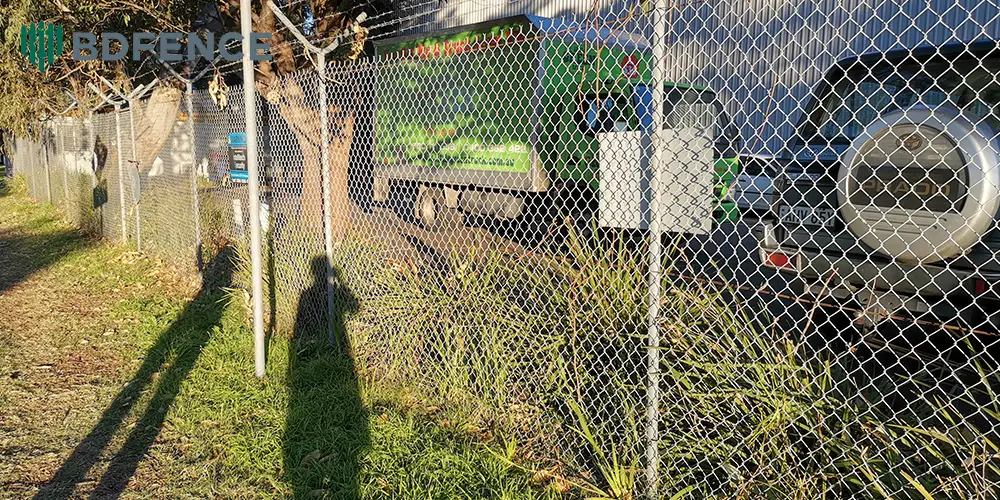
Framework Selection for Different Applications
The required framework depends on where the fence will be installed.
| Application | Framework Consideration |
|---|---|
| Residential Boundary | Appearance, durability and practical installation |
| Industrial Site | Stronger posts and complete perimeter support |
| Utility Facility | Security requirements and approved specifications |
| Large Perimeter Project | Material consistency and installation efficiency |
The same mesh fabric can be installed with different supporting systems depending on the project purpose.
That is why the framework should be included in the original specification instead of being treated as an accessory.
How Gates Connect with the Chain Link Fence Framework
Gates are one of the most important areas in a chain link fence framework because they interrupt the regular fence line.
A standard line post cannot normally replace a gate support post because gates create different loads during operation.
Gate posts need to support:
- gate weight;
- hinge forces;
- opening and closing movement;
- locking hardware.
For this reason, pedestrian gates and vehicle gates should be included in the original fence design.
A complete quotation should identify:
- gate opening width;
- gate frame specification;
- hinge system;
- support post size;
- included hardware.
If gates are added after the main fence order is confirmed, the supplier may need to adjust the surrounding terminal posts and framework arrangement.
Why Framework Details Matter Before Installation
Many installation problems are not caused by the chain link mesh itself.
They usually appear when the supporting structure does not match the approved layout.
Examples include:
- incorrect post spacing;
- missing terminal posts;
- wrong gate support dimensions;
- incompatible fittings;
- different assumptions between the supplier and contractor.
A chain link fence is flexible compared with welded panel systems, but that does not mean the framework can be installed without planning.
The posts establish the fence line, and the fittings determine how the mesh is tensioned and secured.
For large projects, confirming the framework drawing before foundation work begins can reduce installation adjustments later.
Common Framework Mistakes in International Fence Purchasing
When buying chain link fence from overseas suppliers, several specification issues appear repeatedly.
Only Ordering Mesh Rolls
Some buyers request chain link mesh only because the mesh is the most visible part of the fence.
However, the installation team may still need posts, rails, tension components and fittings.
If these items are sourced separately, compatibility should be checked carefully.
Using the Same Post Size Everywhere
Terminal posts, line posts and gate posts normally have different functions.
Using one standard post specification for every location may not match the approved design.
Ignoring Top Rail Requirements
Some projects require additional rigidity at the top of the fence.
If the specification requires top rails, they should be included in the quotation from the beginning.
Comparing Prices Without Checking Supply Scope
A low quotation may exclude framework components that another supplier includes.
Before choosing a supplier, compare the complete material list instead of only comparing the price of mesh fabric.
What Information Should Be Included in a Chain Link Fence RFQ?
A clear request for quotation helps suppliers prepare a more accurate offer.
For a complete chain link fence system, buyers should provide:
| Item | Information to Confirm |
|---|---|
| Mesh Fabric | Wire diameter, mesh opening, height and coating |
| Terminal Posts | Size, quantity, locations and finish |
| Line Posts | Spacing, section size and installation method |
| Top Rails | Pipe size, connection method and quantity |
| Gate System | Opening size, frame and hardware requirements |
| Fittings | Tension bands, ties, clips and related accessories |
| Surface Treatment | Galvanized or PVC-coated specification |
This information allows the supplier to quote the complete system instead of making assumptions.
It also makes it easier for buyers to compare offers from different manufacturers.
How BDFENCE Supports Chain Link Fence Projects
When customers contact BDFENCE for chain link fence projects, we review the complete specification rather than only the mesh requirement.
Available project documents may include:
- fence layout drawings;
- BOQ documents;
- technical specifications;
- gate schedules;
- installation requirements.
Based on the project information, we can review:
- mesh specifications;
- terminal and line posts;
- top rails;
- fittings;
- gate components.
The purpose is to help buyers receive a quotation that matches the actual fence system required for the project.
For overseas orders, confirming these details before production helps reduce differences between the quotation and the final installation.
Send Your Chain Link Fence Drawing or BOQ
If you are sourcing a complete chain link fence system, send your project information to Contact BDFENCE.
Useful information includes:
- fence length;
- mesh specification;
- post requirements;
- top rail requirements;
- gate quantity;
- installation location.
A drawing or BOQ helps the supplier understand the complete framework requirements before preparing the quotation.
Why Choose BDFENCE?
BDFENCE manufactures metal fencing products for overseas contractors, distributors and project buyers.
Our team has more than 30 years of experience in metal fence manufacturing.
The factory covers approximately 15,000㎡ with more than 190 employees and over 80 machines.
Our product range includes Chain Link Fence, 358 Fence and Steel Tubular Fence.
For chain link fence projects, BDFENCE can supply mesh fabric, posts, rails, fittings and related components according to confirmed project specifications.
FAQ
What are terminal posts used for in chain link fencing?
Terminal posts support areas where the fence tension ends or changes, including corners, fence ends and gate openings.
What is the difference between terminal posts and line posts?
Terminal posts handle higher tension forces at key locations, while line posts support the regular fence sections between those points.
Are top rails required for every chain link fence?
Not every project uses the same framework. Top rail requirements depend on the approved design, fence height and application.
Can I buy chain link mesh without posts?
Yes, but buyers should confirm compatibility if posts and fittings will be purchased separately. A complete framework system is usually easier to coordinate.
What information affects chain link fence framework pricing?
Post types, spacing, top rails, gates, fittings, steel specifications and coating requirements can all influence the final quotation.
Can BDFENCE supply complete chain link fence systems?
Yes. BDFENCE can supply chain link mesh together with posts, rails, fittings, gates and related components according to project requirements.
Contact BDFENCE
Hebei Bendin Industrial Technology Co., Ltd. (BDFENCE)
Have an existing fence drawing, BOQ or technical specification? Share it with our team for a quotation based on your project requirements.
Phone:
+86 18703182863
WhatsApp:
+86 18703287372
Email:
info@bd-fence.com
Website:
https://bd-fence.com/
Inquiry:
Contact BDFENCE