


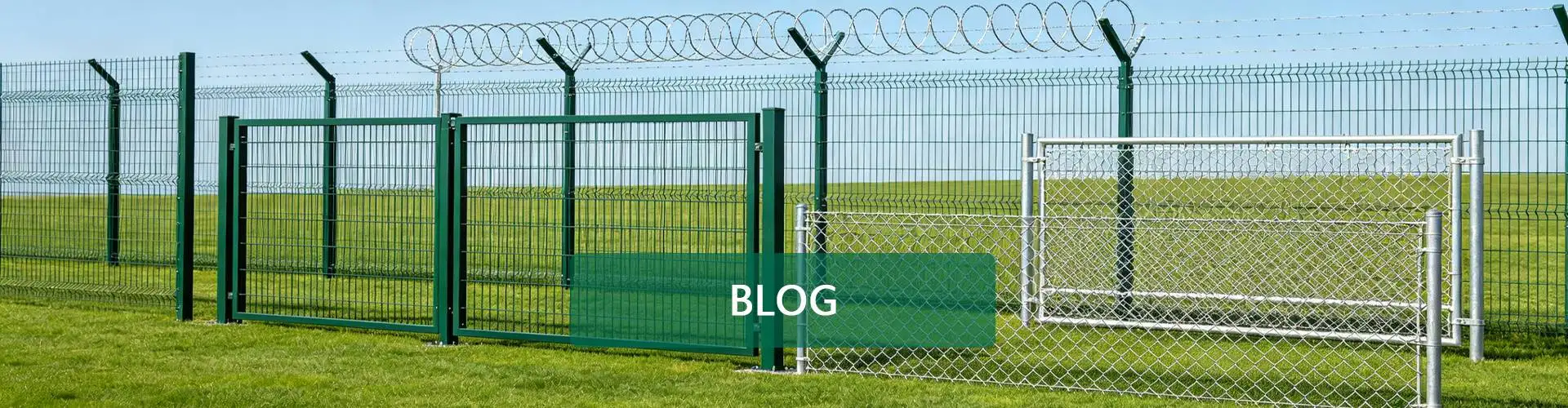
For international buyers, importing Chain Link Fence involves much more than selecting a product and receiving a quotation. A successful export process requires accurate specifications, reliable manufacturing, professional quality control, proper packaging, and efficient international logistics management.
For distributors, EPC contractors, industrial buyers, and large project procurement teams, understanding the complete Chain Link Fence export process can help reduce purchasing risks and improve supply chain efficiency.
From initial inquiry and technical confirmation to production, inspection, container loading, and final delivery, every stage affects the success of an international fencing project.
This guide explains the complete Chain Link Fence export process and what global buyers should know before importing fencing products from a professional manufacturer.
Hebei Bendin Industrial Technology Co., Ltd. (BDFENCE) provides customized Chain Link Fence solutions for international distributors, contractors, industrial facilities, and large engineering projects.
Overview of Chain Link Fence Export Process
A professional Chain Link Fence export process usually includes the following stages:
- Project requirement confirmation
- Technical specification review
- Quotation preparation
- Order confirmation
- Production scheduling
- Quality inspection
- Export packaging
- Container loading
- Shipping documentation
- International transportation
- Customs clearance and delivery
Each stage requires cooperation between the buyer, manufacturer, logistics company, and sometimes local installation teams.
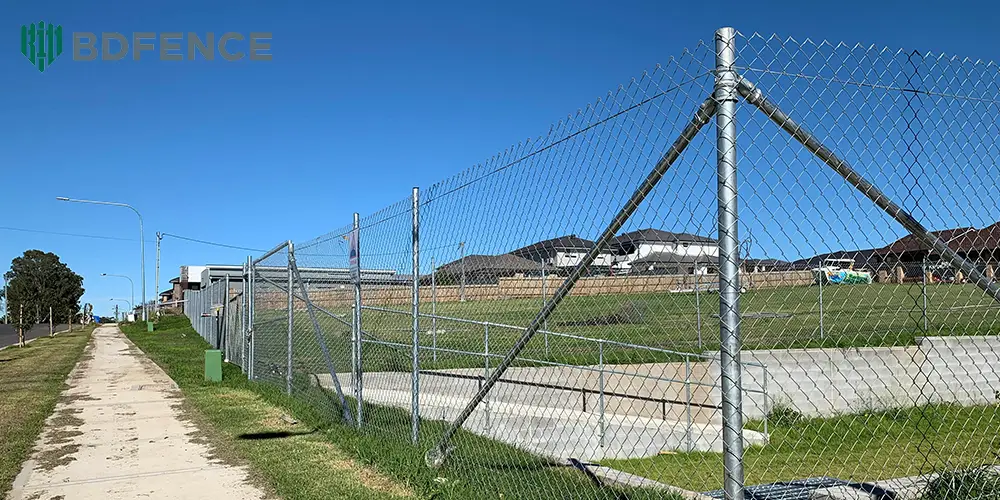
Step 1: Submit Chain Link Fence Requirements
The export process begins when the buyer provides project requirements to the manufacturer.
A professional inquiry should include enough information for accurate quotation and production planning.
Basic Product Information
Buyers should provide:
- Fence type
- Total quantity
- Fence height
- Mesh opening
- Wire diameter
- Roll length
- Surface treatment
Project Application Information
The application affects the recommended specification.
Common applications include:
- Industrial facilities
- Solar farms
- Mining projects
- Logistics centers
- Airports
- Commercial properties
- Infrastructure projects
Different applications may require different levels of:
- Security performance
- Wire strength
- Coating protection
- Post configuration
Technical Drawings and Documents
For large projects, buyers should provide:
- Project drawings
- Bill of quantities (BOQ)
- Tender specifications
- Technical requirements
- Installation details
These documents help manufacturers prepare more accurate solutions and quotations.
Step 2: Chain Link Fence Specification Confirmation
Before production, the buyer and manufacturer must confirm all technical specifications.
Specification confirmation helps avoid problems during production and installation.
Confirm Mesh Opening
Mesh opening is one of the main factors affecting Chain Link Fence performance and price.
Buyers should confirm:
- Mesh size
- Opening dimensions
- Application requirements
Different projects may require different mesh configurations depending on security requirements.
Confirm Wire Diameter
Wire diameter directly affects:
- Fence strength
- Product weight
- Material cost
- Service life
Professional buyers should confirm whether the quoted diameter refers to:
- Steel wire diameter before coating
- Finished coated wire diameter
Confirm Surface Treatment
Chain Link Fence export orders commonly require:
- Hot dip galvanized finish
- PVC coating
- Customized coating requirements
The correct surface treatment depends on:
- Climate conditions
- Installation environment
- Expected service life
- Maintenance requirements
Step 3: Quotation and Commercial Confirmation
After specifications are confirmed, the manufacturer prepares a detailed quotation.
A professional quotation should include:
- Product specifications
- Quantity
- Unit price
- Total amount
- Packaging method
- Production lead time
- Trade terms
- Shipping options
Compare Complete Specifications
International buyers should avoid comparing quotations only by price.
Different suppliers may quote different specifications regarding:
- Wire diameter
- Mesh opening
- Zinc coating
- Roll length
- Post specifications
- Accessories
A lower price does not always represent a lower total project cost.
Confirm Trade Terms
The quotation should clarify:
- EXW
- FOB
- CFR
- CIF
- Other agreed terms
Buyers should select suitable trade terms according to their import experience and logistics requirements.
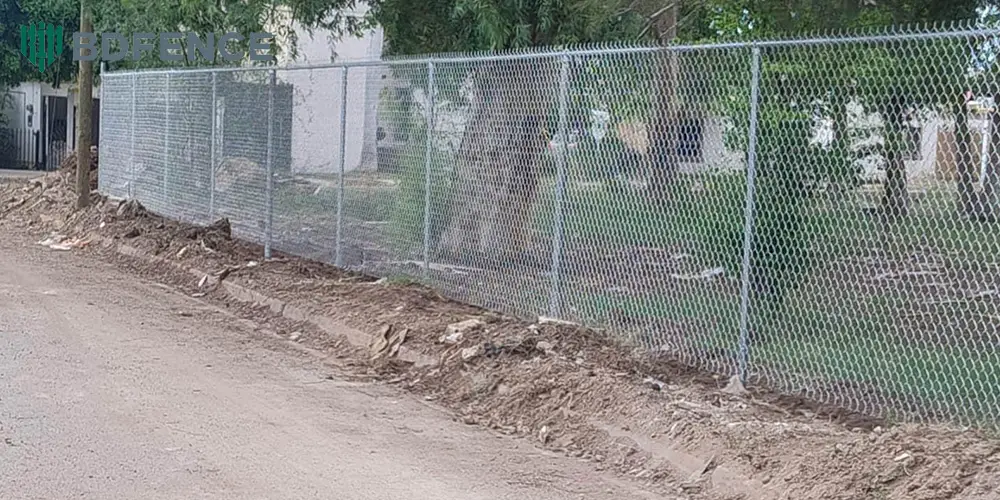
Step 4: Order Confirmation and Production Planning
After quotation approval, the buyer and manufacturer confirm the purchase order.
The order document should include:
- Product specifications
- Quantities
- Packaging requirements
- Delivery schedule
- Payment terms
- Inspection requirements
Production Scheduling
The manufacturer arranges production according to:
- Order quantity
- Raw material availability
- Factory schedule
- Required delivery date
For large Chain Link Fence projects, production planning is important because thousands of meters of fencing may need to be completed within a specific construction timeline.
Step 5: Chain Link Fence Manufacturing Process
After order confirmation, the manufacturer begins production according to the approved specifications.
For export projects, production consistency is especially important because products may travel thousands of kilometers before reaching the final project site.
Raw Material Preparation
The first production stage is preparing qualified raw materials.
Materials may include:
- Steel wire
- Steel pipes for posts
- Gate materials
- Fence fittings
- Packaging materials
Before production, materials are checked to confirm:
- Specification accuracy
- Material condition
- Required quantity
- Compatibility with project requirements
Chain Link Mesh Production
The steel wire is processed through professional Chain Link Fence weaving equipment.
The manufacturing process controls:
- Mesh opening
- Wire diameter
- Roll length
- Edge finishing
- Weaving consistency
Consistent mesh production helps ensure easier installation after the products arrive at the project location.
Fence Post Manufacturing
For complete Chain Link Fence systems, posts are manufactured according to the approved design.
Post production may include:
- Steel tube cutting
- Dimension checking
- Surface treatment
- Accessory preparation
- Final inspection
Different post types may include:
- Line posts
- Corner posts
- Terminal posts
- Gate posts
Gate Production
If the project requires access control, gates are produced together with the fence system.
Gate production includes:
- Steel frame fabrication
- Mesh installation
- Hinge preparation
- Locking system preparation
- Dimension inspection
Step 6: Chain Link Fence Quality Inspection
Quality inspection is one of the most important stages before export shipment.
A professional Chain Link Fence manufacturer should inspect products during different production stages instead of checking only the final shipment.
Mesh Quality Inspection
Chain Link Fence mesh is inspected for:
- Mesh opening accuracy
- Wire diameter
- Roll length
- Weaving quality
- Edge condition
Post Quality Inspection
Fence posts are checked for:
- Tube dimensions
- Length accuracy
- Straightness
- Surface treatment
- Installation compatibility
Coating Quality Inspection
For galvanized or PVC-coated Chain Link Fence, coating quality affects long-term performance.
Inspection may include:
- Surface appearance
- Zinc coating condition
- Color consistency
- Coating coverage
Accessory Inspection
Complete fencing systems may include:
- Fence fittings
- Tension wire
- Clamps
- Bolts
- Post caps
- Gate hardware
Accessories should be checked to ensure they match the main fence system.
Final Pre-Shipment Inspection
Before loading containers, the manufacturer verifies:
- Product quantities
- Specifications
- Packaging condition
- Accessories
- Shipping marks
Step 7: Chain Link Fence Export Packaging
Proper export packaging protects products during international transportation and helps improve unloading efficiency at the destination.
Fence Roll Packaging
Chain Link Fence rolls are commonly packaged with:
- Waterproof wrapping
- Protective film
- Steel support frames
- Secure straps
The packaging helps prevent:
- Surface damage
- Product deformation
- Moisture exposure
- Handling problems
Post Packaging
Steel posts are bundled according to:
- Post type
- Length
- Quantity
- Project requirements
Clear bundling makes inventory checking easier after arrival.
Gate and Accessory Packaging
Gates and small accessories require additional organization because they contain multiple components.
Professional packaging may include:
- Separate gate protection
- Accessory cartons
- Labeled component packages
- Installation grouping
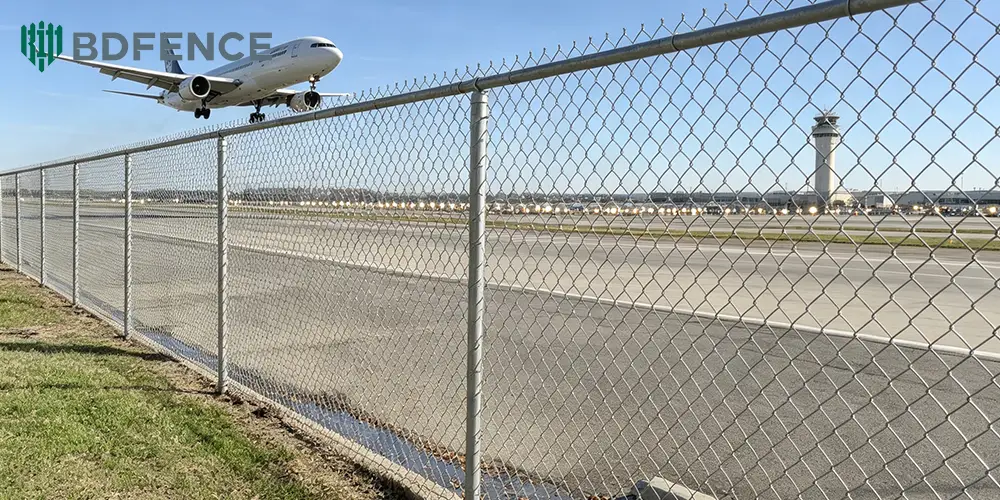
Step 8: Container Loading Process
Container loading is an important part of the export process because transportation costs represent a significant part of international procurement.
Professional loading plans consider:
- Product dimensions
- Container capacity
- Weight distribution
- Unloading sequence
- Product protection
Optimizing Container Space
Experienced suppliers arrange products to improve container utilization.
This can help reduce:
- Transportation cost per unit
- Unused container space
- Additional handling requirements
Container Loading Inspection
Before shipment, the loading process should confirm:
- Correct products loaded
- Correct quantities
- Secure placement
- Proper protection
- Complete shipping documents
Step 9: Export Documentation and Shipping Process
International Chain Link Fence shipments require complete export documentation.
Common Export Documents
Documents may include:
- Commercial invoice
- Packing list
- Bill of lading
- Certificate of origin
- Product specifications
- Inspection documents
Shipping Arrangement
After container loading, the shipment is arranged according to the agreed trade terms.
The process may include:
- Booking vessel space
- Port transportation
- Customs declaration
- Export clearance
- International shipping
Step 10: International Transportation and Delivery
After leaving the export port, the Chain Link Fence shipment travels to the buyer’s destination port.
The final delivery process may include:
- Ocean transportation
- Import customs clearance
- Local transportation
- Delivery to project site
- Installation preparation
Factors Affecting Delivery Time
The total delivery time depends on:
- Production schedule
- Port conditions
- Shipping route
- Customs clearance
- Destination logistics
Professional suppliers should communicate delivery schedules clearly throughout the export process.
How to Choose a Reliable Chain Link Fence Export Supplier
For international buyers, selecting the right export supplier is one of the most important decisions during the purchasing process.
A professional Chain Link Fence supplier should provide not only competitive pricing but also reliable manufacturing, export experience, and project support.
Evaluate Factory Manufacturing Capability
The first step is confirming whether the supplier has real production capability.
A reliable manufacturer should have:
- Own production facility
- Professional Chain Link Fence machines
- Experienced production team
- Quality inspection process
- Large order production capability
Manufacturing capability directly affects:
- Product consistency
- Delivery reliability
- Bulk order support
- Long-term cooperation
Review Previous Export Experience
International export experience is important because overseas orders involve more than manufacturing.
Experienced suppliers understand:
- International packaging requirements
- Container loading methods
- Export documentation
- Shipping coordination
- Destination market requirements
Check Product Customization Capability
Different countries and projects may require different Chain Link Fence specifications.
A professional export supplier should support customization including:
- Fence height
- Mesh opening
- Wire diameter
- Roll length
- Surface treatment
- Fence posts
- Gates
- Fence fittings
Evaluate Quality Control System
For international projects, quality consistency is more important than a single low-price quotation.
Buyers should evaluate whether the supplier controls:
- Raw materials
- Production process
- Finished products
- Packaging
- Shipment preparation
Why Buying Chain Link Fence Directly from Factory Is Beneficial
For large projects, purchasing directly from a manufacturer can provide advantages compared with multiple-layer distribution channels.
Better Cost Control
Direct factory purchasing can reduce additional costs from:
- Multiple supplier margins
- Additional handling
- Warehouse costs
- Unnecessary intermediaries
This helps buyers achieve better control over the total procurement cost.
Direct Technical Communication
Working directly with the manufacturer improves communication efficiency.
Buyers can discuss:
- Technical specifications
- Project requirements
- Packaging methods
- Production schedules
- Shipping arrangements
More Flexible Project Support
Direct cooperation allows manufacturers to provide customized solutions according to project requirements.
This is especially important for:
- Government projects
- Infrastructure construction
- Industrial facilities
- Energy projects
- Large commercial developments
Common Mistakes When Importing Chain Link Fence
Comparing Suppliers Only by Price
The lowest quotation does not always provide the lowest total project cost.
Buyers should compare:
- Wire diameter
- Mesh specification
- Coating quality
- Roll length
- Packaging
- Shipping efficiency
Ignoring Packaging Requirements
Poor packaging can create problems during long-distance transportation.
Professional export packaging helps prevent:
- Surface damage
- Product deformation
- Moisture problems
- Handling difficulties
Not Confirming Complete System Components
Many projects require more than Chain Link Fence mesh.
A complete system may include:
- Fence posts
- Gates
- Fence fittings
- Tension components
- Installation accessories
Confirming all components before ordering helps reduce installation problems.
Ignoring Shipping and Delivery Planning
International projects require careful planning of:
- Production time
- Container availability
- Shipping schedule
- Customs clearance
- Final delivery
Why Choose BDFENCE for Chain Link Fence Export?
Hebei Bendin Industrial Technology Co., Ltd. (BDFENCE) specializes in manufacturing and exporting Chain Link Fence systems for global customers.
BDFENCE supports:
- International importers
- Fence distributors
- EPC contractors
- Industrial companies
- Infrastructure projects
Professional Chain Link Fence Manufacturer
BDFENCE supplies complete fencing solutions including:
- Galvanized Chain Link Fence
- PVC Coated Chain Link Fence
- Fence Posts
- Vehicle Gates
- Pedestrian Gates
- Fence Fittings
- Complete Perimeter Fence Systems
Large Export Order Capability
BDFENCE has experience supporting bulk international orders with:
- Large production capacity
- Multiple container shipments
- Customized specifications
- Project-based production planning
Complete Quality Management
Quality control covers:
- Raw material inspection
- Mesh production
- Post manufacturing
- Surface treatment
- Accessory checking
- Final shipment inspection
International Export Support
BDFENCE provides support throughout the export process:
- Technical specification confirmation
- Quotation preparation
- Production coordination
- Quality inspection
- Export packaging
- Container loading
- Shipping documentation
Conclusion
Understanding the Chain Link Fence export process helps international buyers make better purchasing decisions and reduce risks during overseas procurement.
A successful export order requires cooperation between the buyer and supplier from specification confirmation to final delivery.
The key factors for successful Chain Link Fence import include:
- Accurate technical specifications
- Reliable factory capability
- Professional quality control
- Proper export packaging
- Efficient shipping coordination
- Long-term supplier cooperation
By selecting an experienced Chain Link Fence manufacturer, importers, distributors, and project contractors can achieve more reliable supply, better cost control, and smoother project execution.
Hebei Bendin Industrial Technology Co., Ltd. (BDFENCE) provides customized Chain Link Fence solutions with professional manufacturing capability, strict quality control, and international export experience.
Contact BDFENCE for Chain Link Fence Export Project
Hebei Bendin Industrial Technology Co., Ltd. (BDFENCE)
Website: https://bd-fence.com/
Phone: +86 18703182863
WhatsApp: +86 18703287372
Email: info@bd-fence.com
FAQ
How long does the Chain Link Fence export process take?
The total time depends on order quantity, specifications, production schedule, shipping route, and customs clearance. Large projects usually require planning before the required installation date.
What information is needed before ordering Chain Link Fence from China?
Buyers should provide fence height, mesh opening, wire diameter, surface treatment, quantity, posts, gates, accessories, destination, and project requirements.
Can BDFENCE export Chain Link Fence worldwide?
Yes. BDFENCE supports international customers including distributors, contractors, and project buyers with export packaging and shipment coordination.
Can BDFENCE supply complete Chain Link Fence systems?
Yes. BDFENCE can supply fence mesh, posts, gates, fence fittings, tension components, and installation accessories as a complete system.
How can buyers reduce Chain Link Fence shipping costs?
Optimizing container loading, selecting suitable specifications, and purchasing complete project quantities can help reduce overall logistics costs.