


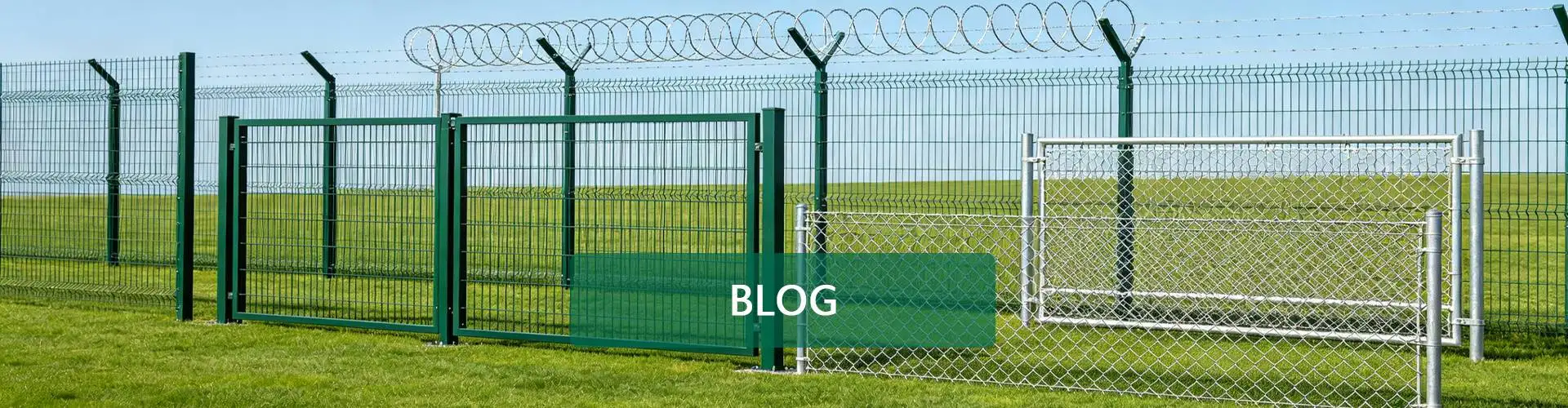

An energy facility in a high-wind region of Chile required a secure perimeter around electrical equipment, service areas, restricted zones, and controlled access points.
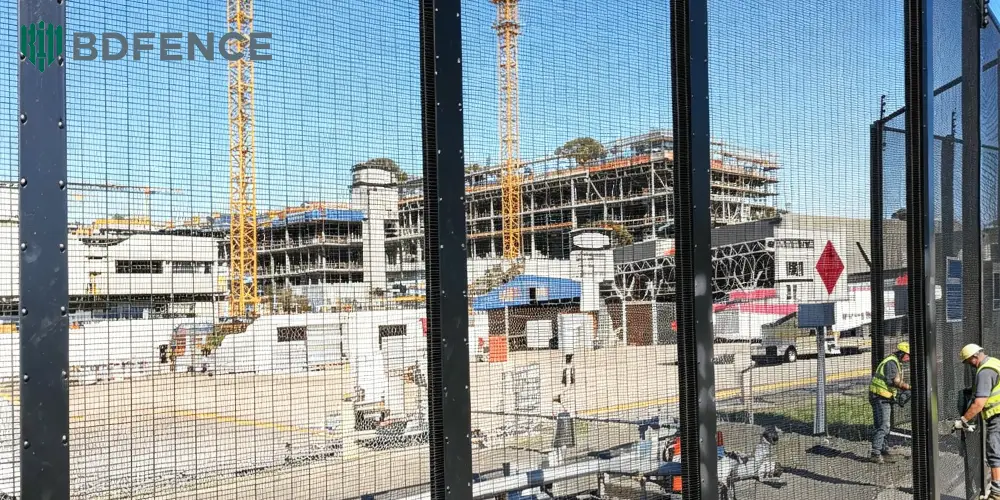
The customer selected 358 Security Fence for the main perimeter because the project needed anti-climb characteristics and clear visibility through the fence.
However, the wind exposure created an additional challenge.
For this site, the fence could not be specified by panel height and wire diameter alone. The support system also needed closer attention.
BDFENCE supplied a 358 Security Fence system with heavy-duty steel posts, security fixings, reinforced gate posts, pedestrian gates, vehicle gates, and installation accessories.
Project Profile
| Project Item | Details |
|---|---|
| Country | Chile |
| Sector | Energy Infrastructure |
| Application | High-Wind Restricted Perimeter |
| Main Product | 358 Security Fence |
| Common Mesh Opening | 76.2 × 12.7 mm |
| Main Structural Feature | Heavy-Duty Steel Posts |
| Access | Pedestrian and Vehicle Gates |
| Supply Scope | Panels, Heavy-Duty Posts, Security Fixings, Gates and Accessories |
The Wind Exposure Changed the Fence Design
The site was located in an open area with limited shelter from surrounding buildings or terrain.
That meant wind exposure had to be considered across the complete perimeter.
The project team therefore reviewed:
- Fence height
- Panel dimensions
- Wire diameter
- Post section
- Post wall thickness
- Post spacing
- Foundation requirements
- Gate structure
The main lesson was simple: a strong mesh panel still needs a support system that matches the site conditions.
Why 358 Security Fence Was Selected
The facility required a rigid anti-climb perimeter rather than a general-purpose welded mesh system.
358 Fence commonly uses a narrow welded mesh of approximately 76.2 × 12.7 mm.
The narrow opening provides limited conventional hand and foot holds while maintaining visibility through the fence.
That made the system suitable for a restricted energy site where physical security and perimeter monitoring needed to work together.
Why Heavy-Duty Posts Were Important
The posts transfer panel loads into the foundation.
In a high-wind environment, that role becomes more important.
For this project, post selection considered:
- Post section size
- Wall thickness
- Total post length
- Fence height
- Panel width
- Post spacing
- Site exposure
The heavy-duty post system was selected as part of the complete fence design rather than as a separate upgrade.
Post Wall Thickness Was Reviewed Together with Outside Size
Outside dimensions alone do not fully describe a steel post.
Two posts can have the same section size but different wall thicknesses.
That changes:
- Steel weight
- Rigidity
- Resistance to deformation
- Material cost
For this reason, BDFENCE reviewed post section and wall thickness together before production.
Post Spacing Could Not Be Selected Only for Cost
Wider post spacing reduces the total number of posts, but it also increases the distance each rigid panel spans between supports.
For a high-wind project, the spacing needed to remain compatible with:
- Panel width
- Fence height
- Post strength
- Fixing system
- Foundation design
The project therefore did not simply choose the widest possible post spacing to reduce material quantity.
Fixing Points Needed to Work with the Heavy-Duty Posts
The panel-to-post connection is critical in a 358 Fence system.
A strong post does not help if the connection between the panel and post is too light for the project conditions.
The project used suitable security fixing components, which could include:
- Full-length fixing bars
- Steel plates
- Security clamps
- Anti-tamper bolts
- Security nuts
The fixing layout was coordinated with the post system and fence height.
Taller Fence Sections Required More Attention
As the fence height increases, the exposed panel area also increases.
For this reason, taller sections needed closer review of:
- Post section
- Wall thickness
- Fixing quantity
- Foundation size
- Gate height
This was especially important where the perimeter remained directly exposed to open wind.
Gate Posts Needed a Different Specification
Gate posts carry moving structures rather than fixed panels.
For the vehicle entrances, BDFENCE reviewed:
- Gate opening width
- Gate height
- Frame section
- Frame wall thickness
- 358 mesh infill
- Gate post size
- Gate post wall thickness
- Foundation requirement
The gate posts were therefore treated separately from normal line posts.
Vehicle Gates Faced Both Wind and Operating Loads
A wide security gate presents a larger moving surface than a normal fence panel.
In a high-wind site, gate behavior becomes especially important.
The project considered:
- Gate width
- Gate frame rigidity
- Hinge or sliding system
- Gate post support
- Closing hardware
- Safe operation in exposed conditions
This prevented the entrance from becoming the weakest part of the perimeter.
Pedestrian Gates Also Needed Matching Support
Pedestrian gates were smaller than the main vehicle gates, but they still needed to match the fence height and security design.
The gate system included:
- Rigid frame
- 358 mesh infill
- Heavy gate posts where required
- Hinges
- Locks
- Connection to adjacent fence panels
This helped maintain a consistent security level across access points.
Foundation Design Was Part of the Structural Strategy
Heavy-duty posts require suitable support below ground.
The foundation design needed to consider:
- Post section
- Fence height
- Soil condition
- Wind exposure
- Gate loads
- Local engineering requirements
The project did not use one universal foundation assumption for every location.
Gate posts and exposed sections required separate review.
What BDFENCE Supplied
| Component | Project Function |
|---|---|
| 358 Welded Mesh Panels | Main anti-climb perimeter |
| Heavy-Duty Line Posts | Support exposed fence runs |
| Corner and End Posts | Support perimeter transitions and terminations |
| Security Fixing System | Connect panels securely to posts |
| Heavy-Duty Gate Posts | Support vehicle and pedestrian gates |
| Pedestrian Gates | Personnel access |
| Vehicle Gates | Service and maintenance access |
| Security Fasteners | Complete the anti-tamper fixing system |
Factory Checks Focused on Structural Consistency
| Component | Inspection Focus |
|---|---|
| 358 Panels | Mesh opening, wire diameter, dimensions, welds and flatness |
| Heavy-Duty Posts | Section size, wall thickness, total length and straightness |
| Security Fixings | Fit, dimensions and quantity |
| Gate Posts | Section, wall thickness and connection compatibility |
| Vehicle Gates | Frame structure, alignment and mesh infill |
| Pedestrian Gates | Frame dimensions and hardware positions |
Packaging Needed to Protect Heavy Components
The heavy-duty posts and gate components increased the weight of individual bundles.
BDFENCE therefore organized the shipment by component type.
Panels were stacked and secured, while heavy posts were bundled separately.
Security fixings and smaller accessories were packed in identified groups.
Gate frames and gate posts were also separated from standard fence-line materials.
Installation Started with the Most Exposed Areas
Before installing the full perimeter, the site team confirmed:
- Fence route
- Most exposed wind directions
- Corner positions
- Gate openings
- Ground conditions
- Post positions
This helped the contractor understand where the highest structural attention was required.
Typical Installation Sequence
- Confirm the perimeter and exposed fence zones
- Mark corners, end points, and gate openings
- Set out heavy-duty post positions
- Prepare the approved foundations
- Install and align the steel posts
- Position the 358 welded panels
- Secure panels with the specified fixing system
- Install pedestrian gates
- Install vehicle gates
- Check panel alignment, fixings, gate operation, and post stability
What the Completed System Delivered
| Project Requirement | Fence Response |
|---|---|
| High-Wind Exposure | Heavy-duty steel post system |
| Anti-Climb Security | 358 welded mesh |
| Rigid Panel Support | Matched post spacing and fixing system |
| Vehicle Access | Reinforced vehicle gate system |
| Personnel Access | Matching pedestrian gates |
| Structural Consistency | Panels, posts, gates and fixings supplied as one system |
Why High-Wind Projects Should Not Compare Panels Alone
Two suppliers can quote the same 358 panel while offering very different support systems.
The biggest differences may appear in:
- Post section
- Post wall thickness
- Post spacing
- Post length
- Fixing system
- Gate posts
- Foundation assumptions
For an exposed project, these differences can matter as much as the mesh itself.
Heavier Posts Increase Cost, but So Does Under-Specification
Heavy-duty posts add more steel to the project.
That increases:
- Material cost
- Shipping weight
- Handling requirements
- Foundation requirements
However, using posts that are too light for the approved project conditions can create installation and performance problems later.
The objective is not to select the heaviest post available. It is to match the post to the fence and site conditions.
What Buyers Should Confirm for a High-Wind 358 Fence
Before ordering, check:
- Fence height
- Panel width
- Wire diameter
- Post section
- Post wall thickness
- Post spacing
- Total post length
- Fixing system
- Gate dimensions
- Gate post specification
- Foundation design
- Top-security requirement
- Site wind conditions
This creates a much more complete specification than requesting only “heavy-duty 358 Fence.”
What Should a High-Wind Fence RFQ Include?
For a more accurate quotation, send BDFENCE:
- Project country
- Project application
- Total perimeter length
- Fence height
- Panel width
- Mesh opening
- Wire diameter
- Required post section
- Post wall thickness
- Post spacing
- Available wind-load information if specified
- Pedestrian gate sizes and quantities
- Vehicle gate sizes and quantities
- Top-security requirement
- Surface treatment
- Site drawing
- BOQ or technical specification
- Destination port
If the post system has not yet been finalized, BDFENCE can review the available drawings and project requirements before preparing the quotation.
Why Choose BDFENCE for Heavy-Duty 358 Fence Projects?
Hebei Bendin Industrial Technology Co., Ltd. (BDFENCE) manufactures 358 Security Fence systems for energy facilities, industrial sites, data centers, airports, solar farms, utilities, infrastructure projects, and other controlled-access applications.
Our project supply can include:
- 358 welded security panels
- Heavy-duty steel posts
- Customized post wall thicknesses
- Corner and end posts
- Security fixing systems
- Anti-tamper fasteners
- Heavy-duty gate posts
- Pedestrian gates
- Vehicle gates
- Top-security components
- Galvanized and powder-coated finishes
Project buyers can send site layouts, BOQ documents, wind-related design requirements, post schedules, and gate drawings directly to BDFENCE for review and quotation.
Project Takeaway
For this high-wind energy site in Chile, the main challenge was not selecting 358 mesh.
The critical decision was making sure the support structure matched the exposed environment.
Heavy-duty posts, appropriate wall thickness, controlled spacing, secure panel fixings, reinforced gate posts, and suitable foundations all worked together with the welded mesh.
For high-wind projects, the fence should be specified as a complete structural system rather than a panel-only purchase.
Contact BDFENCE
Hebei Bendin Industrial Technology Co., Ltd. (BDFENCE)
Phone:
+86 18703182863
WhatsApp:
+86 18703287372
Email:
info@bd-fence.com
Website:
https://bd-fence.com/
FAQ
Does 358 Fence need heavier posts in high-wind areas?
High-wind projects require closer review of post section, wall thickness, spacing, foundation, fence height, and site exposure. Heavier posts may be required according to the approved design.
Does fence height affect wind loading?
A taller fence exposes more panel area above ground, so the support system may need stronger posts, more secure fixings, or different foundations.
Should post spacing be reduced in high-wind areas?
Post spacing should follow the complete structural design. In some projects, closer spacing may be considered, while others may use stronger posts or a different support arrangement.
Do gate posts need to be stronger than line posts?
They often require a different specification because gates create concentrated and moving loads. The final post should match gate width, height, frame weight, operation, and foundation design.
Can 358 Fence be used in exposed coastal or open areas?
Yes, when the posts, fixings, foundations, surface treatment, and gate system are specified for the actual site conditions.
Can BDFENCE customize heavy-duty 358 Fence posts?
Yes. Post section, wall thickness, total length, fixing method, surface treatment, and gate-post requirements can be customized according to the confirmed project specification.
Can top security be added to a high-wind 358 Fence?
Yes, where required by the approved project design. The extra height and load from top-security components should be considered when finalizing the post system.
Can BDFENCE review wind-related project drawings?
Yes. BDFENCE can review fence drawings, BOQ documents, post schedules, gate requirements, and available project design information before preparing a quotation.