


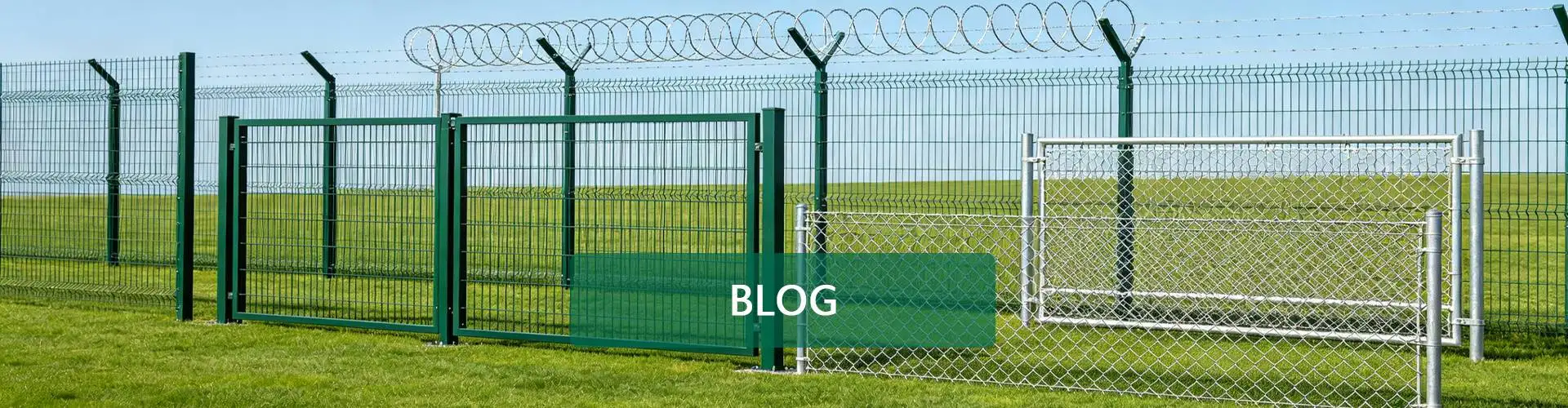
A data center fence order can look straightforward on a purchasing spreadsheet: fence panels, steel posts, fixing hardware and gates. The complications usually appear when those items have to fit the actual site.
A vehicle entrance may interrupt a standard panel run. A post drawing may use different dimensions from the civil team’s foundation layout. The security specification may also require a particular fixing system or an extension above the mesh.
For contractors sourcing 358 Fence from China, these details matter before the order reaches production. A competitive panel price is useful, but it does not help much if the posts, gates and connections do not match the approved design.
This guide focuses on the purchasing decisions behind a data center perimeter fence: what to specify, what to compare between suppliers and which documents help a manufacturer prepare a more complete quotation.
First, Define Which Parts of the Data Center Need Fencing
Before counting panels, establish exactly where the fence will run.
A data center development may include an outer property boundary, vehicle access, utility areas, service compounds and separate restricted zones. The project team may use different fence arrangements in different locations, depending on the approved security plan.
For the manufacturer, the site layout is more useful than a single total length. A 900 m perimeter with four gates and several changes of direction requires a different component schedule from a straight 900 m boundary.
Mark the gate openings, corners, wall connections and changes in ground level on the drawing. If one section requires a different panel height or a special post, identify it separately. This gives the purchasing team a better basis for comparing quotations and reduces the risk of ordering a standard component for a nonstandard location.
What the 358 Specification Tells You—and What It Doesn’t
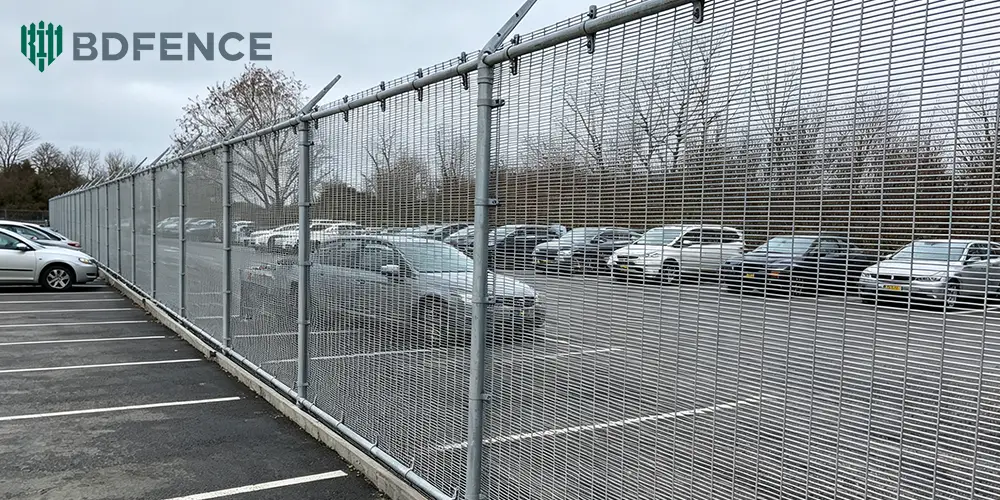
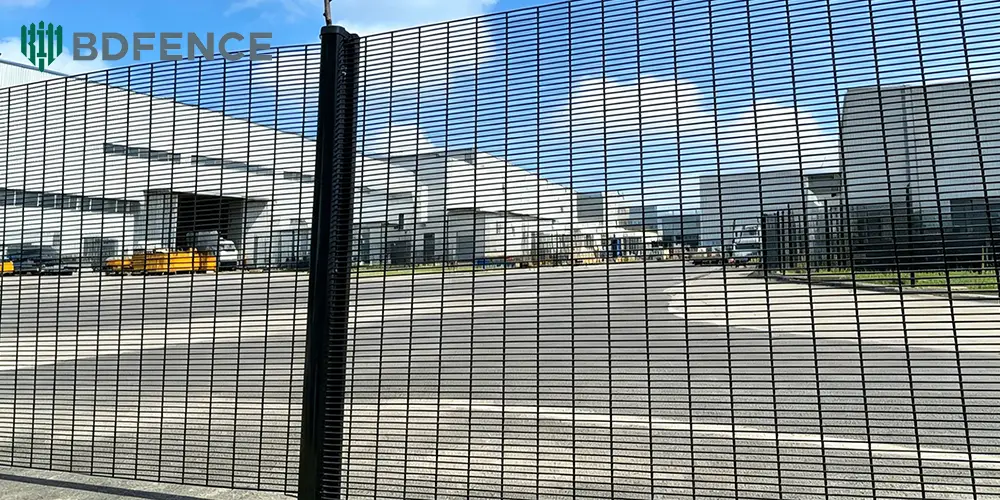
The familiar 358 mesh pattern has openings of approximately 76.2 × 12.7 mm and is commonly supplied with nominal 4 mm wire. The actual wire size, aperture dimensions and tolerances must follow the project specification.
The narrow openings make the mesh difficult to climb and restrict access with many conventional cutting tools. Because the mesh remains open, it also allows visibility across the fence line.
Those characteristics explain why project designers consider 358 fencing for restricted-access sites. However, the term “358” does not define every part of the finished security system.
Two quotations can both say 358 Fence while differing in panel height, wire specification, post section, coating or fixing method. A product name alone is not enough to establish that the offers are equivalent.
When preparing an RFQ, state the required mesh dimensions and wire diameter explicitly. If the project specification uses a particular standard or tolerance, include that information too. It is easier to compare prices when every supplier is working from the same technical requirements.
The Panel and Post Drawing Should Be Reviewed Together
One of the most useful checks before production is the relationship between the panel dimensions and the post layout.
A panel’s nominal width does not automatically equal the required distance between post centers. The connection system, post section and fixing clearances can affect the setting-out dimensions.
Consider a contractor who has already arranged the concrete foundations using a preliminary layout. The supplier’s final drawing then shows a different post spacing because the fixing arrangement has changed. The mesh panels may still meet their own specifications, but the prepared supports no longer match the delivered system.
That is not simply a product-quality issue. It is a coordination problem between the fence drawing and the civil work.
Before confirming the order, compare the panel schedule, post dimensions, fixing details and foundation layout. The civil or structural engineer should approve the foundation design, while the manufacturer should work from the confirmed dimensions of the fence components.
Don’t Let the Fixing Hardware Disappear from the Quotation
Fixings are easy to overlook because they occupy relatively little space on a product drawing. Yet they determine how the panels connect to the posts.
Depending on the approved design, a 358 system may use individual security clips, clamp bars or another specified arrangement. The correct choice depends on the panel edge, post profile, connection positions and project requirements.
When reviewing an offer, ask the supplier to identify the fixing method rather than simply writing “security clips included.” If the specification requires particular fasteners, their type and quantity should be clear.
This is especially important if panels and posts are being purchased separately. Components from different suppliers may not align, even if both are described as standard 358 products.
A connection drawing can resolve much of this uncertainty. It should show the relationship between the mesh, post and fixing components, allowing the contractor to check compatibility before manufacturing begins.
Gate Openings Need Their Own Material Schedule
On a data center project, the gates may account for only a small part of the total perimeter. They can still have a disproportionate effect on coordination.
A vehicle gate needs an opening dimension, a frame, suitable support posts and operating hardware. A pedestrian entrance may have different locking and access-control requirements. If automated equipment is specified, the relevant interfaces need to be coordinated with the responsible gate and security-system suppliers.
The fence around an entrance also needs to terminate correctly at the gate supports. Standard panels may not fit directly beside every opening, particularly where the layout includes narrow closing sections.
For procurement, list each gate separately and identify its dimensions and hardware requirements. A quotation covering the fixed fence alone should not be compared with another quotation that includes complete gates and their supporting components.
Should the Design Include Y-Posts or Razor Wire?
Some data center security specifications require an extension above the main mesh panel. The design may include Y-shaped posts and a specified security topping, depending on the approved security plan and applicable regulations.
If an extension is required, identify the mesh height, main post dimensions, extension geometry and total finished height separately. Otherwise, a description such as “3 m high security fence” can leave room for different interpretations.
The extension and its connections may affect the loads transferred to the posts and foundations. They should therefore be considered in the engineering design rather than added after the main fence has been ordered.
Razor wire and similar products must comply with local rules and the facility’s safety requirements. The project engineer and security designer should approve the complete arrangement before manufacture.
Coating Requirements Should Reflect the Site
A data center fence may remain in service for many years, so the specified finish should suit the actual environment.
A site in a dry inland location may have different corrosion exposure from one near the coast or in an industrial area. The project may call for galvanizing, powder coating or a combined protective system.
The purchase specification should identify the required coating standard, color and acceptance criteria where applicable. Avoid relying on a general description such as “weather-resistant finish” when the project has defined technical requirements.
Check the posts, gates, clips, clamp bars and fasteners as well as the mesh panels. The finish of the main panel does not automatically define the protection applied to every other component.
How to Compare 358 Fence Quotations Fairly
If three suppliers receive different specifications, their prices cannot be compared meaningfully. For a data center perimeter, the comparison should start with the technical scope and then move to the commercial terms.
| Quotation Item | What the Buyer Should Check |
|---|---|
| Mesh Panels | Height, width, aperture, wire diameter and tolerances |
| Posts | Section, wall thickness, length and post spacing |
| Fixing Hardware | Connection type, fasteners and quantities |
| Gates | Opening dimensions, frame and operating hardware |
| Security Extensions | Approved height, support details and required components |
| Surface Treatment | Coating system, color and relevant acceptance requirements |
| Packing | Component identification and agreed packing method |
| Commercial Terms | Order quantity, delivery basis, lead time and payment terms |
A low factory price may be a genuine advantage when the specifications are equivalent. It may also reflect a smaller supply scope or different material requirements.
Ask each supplier to identify exclusions in writing. In particular, check whether the price covers the posts, fixing hardware, gates and special sections. For an overseas order, confirm the delivery basis and packing arrangements as well, so the purchasing team can assess the expected landed cost.
Documents That Help a Manufacturer Prepare the Right Order
You do not need to create a new document if the project already has an established drawing package. A current site layout, fence elevation, BOQ or technical specification is a useful starting point.
For a 358 Fence order, the most helpful documents usually show:
- perimeter layout and total fence length;
- panel height, width and mesh specification;
- post dimensions and spacing;
- panel-to-post connection details;
- gate openings and hardware requirements;
- coating specifications;
- security extensions, if required.
If the foundation design is not final, identify the dimensions that remain provisional. That allows the manufacturer to distinguish an initial budget quotation from the details required for production.
Before releasing the order, compare the approved drawings with the BOQ and supplier quotation. The panel count, post schedule, gates and fixing components should describe the same system.
Discuss Your Data Center Fence Order with BDFENCE
BDFENCE is a China-based metal fencing manufacturer supplying overseas contractors, distributors and project buyers. Our team has more than 30 years of experience in metal fence manufacturing.
For a data center perimeter project, we can review the available panel specifications, post drawings, fixing requirements and gate details to understand the required manufacturing scope.
If the project includes special posts or security extensions, those requirements should be shown in the drawings before the final production details are confirmed. Foundation design and the overall security strategy remain the responsibility of the project’s qualified professionals.
Have a data center fence drawing, BOQ or technical specification ready? Use Contact BDFENCE to request a quotation based on your project requirements.
FAQ
Why do data center projects consider 358 Fence?
The narrow mesh openings make climbing difficult and restrict access with many conventional cutting tools. Overall security still depends on the complete fence system, gates, installation and other approved security measures.
What height should a data center 358 Fence use?
The required height depends on the facility’s security assessment, site conditions, local requirements and approved design. The specification should distinguish the mesh panel height from the total height of any extensions.
Should 358 Fence include Y-posts or razor wire?
Only when the approved security design requires them and their use complies with applicable regulations. The support arrangement and connections should be reviewed before manufacture.
Which fixing system should be specified?
The selected clips, clamp bars and fasteners must match the panel edge, post section and project requirements. Buyers should request a connection drawing if the fixing detail is unclear.
What coating is suitable for a data center perimeter?
The finish should match the site’s environmental exposure and project specification. Confirm the requirements for mesh panels, posts, gates and fixing components.
What information should I send for a 358 Fence quotation?
A site layout, BOQ, panel specification, post schedule, fixing details, gate requirements and coating specification are useful. Include approved foundation details and security extensions where available.
Contact BDFENCE
Hebei Bendin Industrial Technology Co., Ltd. (BDFENCE)
Planning a data center perimeter project? Send your existing drawing, BOQ or technical specification for a quotation based on the required panels, posts, fixings and gates.
Phone: +86 18703182863
WhatsApp: +86 18703287372
Email: info@bd-fence.com
Website: https://bd-fence.com/
Inquiry: Contact BDFENCE