


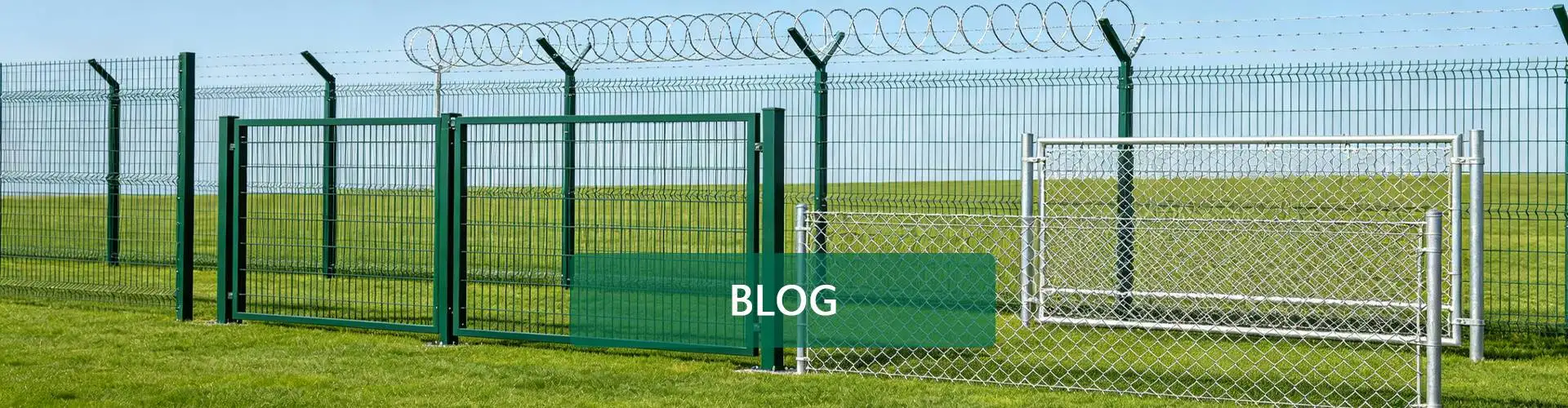
An airport perimeter is not simply a boundary around a large property. Different sections may face public roads, service areas, maintenance compounds or restricted operational zones. The fence specification needs to reflect where each section sits and what the airport’s approved security plan requires.
For projects considering 358 Fence, the narrow mesh openings are one reason the system is considered for restricted-access boundaries. But a procurement package involves much more than the mesh. Panel height, post arrangement, fixing hardware, gates and any required security extensions all need to match the project drawings.
This guide is written for airport contractors, EPC teams and fencing buyers preparing a technical specification or request for quotation. It focuses on the choices that affect the delivered fence system, the material schedule and the coordination between the manufacturer and site contractor.
Airport Perimeter Requirements Depend on the Location
A fence along an airport’s outer property boundary may not have the same requirements as a fence around an equipment compound or a restricted operational area. The airport’s security team and project designer need to identify the intended function of each section before the product configuration is selected.
For procurement, this distinction affects the layout and the quantities. A perimeter may include long straight runs, changes in direction, vehicle gates, pedestrian access points and connections to existing structures. Some areas may also require a different fence height or an additional security feature under the approved design.
A site plan should show these sections clearly. If the BOQ lists only a total perimeter length, the supplier may not know where the standard panels end, where the gate openings begin or which locations need special posts.
Before requesting a firm quotation, identify the fence route, access points, corners and any separate restricted zones on the latest drawing. The airport’s security requirements should determine the design; the manufacturer then uses the approved dimensions to prepare the relevant components.
What the 358 Mesh Configuration Provides
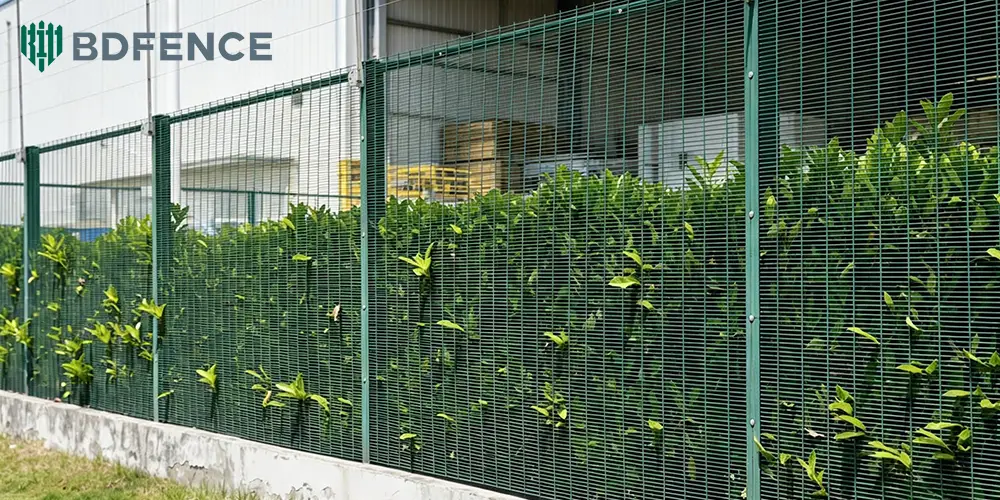
The commonly specified 358 mesh pattern uses narrow rectangular openings of approximately 76.2 × 12.7 mm and nominal 4 mm wire. Actual dimensions, wire tolerances and coating requirements must follow the project specification.
The narrow openings leave limited space for footholds and handholds, making the mesh difficult to climb. They also restrict access with many conventional cutting tools. Because the panel remains open, it preserves visibility across the perimeter.
These characteristics explain why 358 mesh is considered for high-security boundaries, including some airport applications. They do not, however, establish the security performance of the complete installation.
The result also depends on post strength, panel connections, gate construction, installation quality and any additional measures required by the airport’s security plan. A panel specification should therefore be reviewed as one part of the complete perimeter system.
Panel Height and Post Configuration Must Match the Approved Design
Airport projects may specify different heights for different perimeter sections. The purchasing team should confirm whether the stated dimension refers to the mesh panel itself or the total finished barrier, including any extension above the panel.
This matters when the design includes Y-shaped post extensions or another approved security topping. The mesh height, main post dimensions, extension geometry and overall height should be identified separately on the drawing.
Post spacing also needs to match the selected panel and fixing arrangement. A nominal panel width does not automatically establish the required distance between post centers. The post profile, panel edge and connection hardware can affect the setting-out dimensions.
For airport construction, these details should be coordinated with the civil works before the fence enters production. The responsible engineer should approve the structural and foundation design, while the manufacturer works from the confirmed panel and post dimensions.
Choose the Fixing System Before Ordering the Panels
The fixing arrangement can be easy to overlook in a quotation because it is often listed as a small accessory item. Yet it determines how the mesh panel connects to the post.
Depending on the specified system, the connection may use security clips, clamp bars or another approved arrangement. These components are not automatically interchangeable. The panel edge, post section, bolt positions and fixing clearances need to work together.
For an airport project, the buyer should check whether the quotation identifies the actual fixing method and the required fasteners. A general statement such as “security fixings included” may not be sufficient for a detailed technical review.
If the panels and posts are purchased from separate suppliers, compatibility needs particular attention. A connection drawing can help the contractor verify the arrangement before the materials are manufactured.
Gates and Access Points Need Their Own Specification
Vehicle and pedestrian entrances interrupt the standard fence line. They therefore need separate dimensions and component schedules rather than being treated as ordinary gaps between panels.
For each gate, the project documents should define the clear opening, finished height, frame construction, support posts and operating hardware. If the design includes automated operation or access-control equipment, those requirements should be coordinated with the relevant gate and security-system suppliers.
Gate posts may have different structural requirements from ordinary line posts because they support moving gate leaves and their operating loads. Their dimensions and foundations should follow the approved design.
The adjacent fence panels also need to fit the opening. If a gate location changes after the panel schedule has been prepared, the closing sections and post quantities may need to be recalculated.
For purchasing teams, the BOQ should list gates separately and state whether the supplier is providing the gate structure only or a more complete package with specified hardware. Automation equipment and electrical works should be included only when explicitly agreed.
Security Extensions and Top-of-Fence Options
Some airport perimeter designs specify additional protection above the main mesh panel. Depending on the approved security plan, this may involve Y-shaped extensions and a specified security topping.
These features change the overall fence geometry and may affect the loads transferred to the posts and foundations. They should be included in the engineering review and manufacturing drawings rather than added after the main fence order has been confirmed.
The specification should distinguish the mesh height from the total height of the finished barrier. It should also identify the extension brackets, fasteners and other components required for the approved arrangement.
Any razor wire or similar topping must comply with applicable regulations, airport requirements and site safety rules. Its use should be determined by the responsible security designer rather than assumed to be necessary for every airport fence.
Surface Protection for Long-Term Outdoor Service
Airport fencing remains exposed to weather, but the appropriate finish depends on the actual location. A site near the coast may have different corrosion conditions from an inland airport or a location exposed to industrial contaminants.
The project specification may require galvanizing, powder coating or a defined combination of protective treatments. It should identify the required system, color where relevant, and any applicable coating standards or acceptance criteria.
The same review should cover posts, gates and exposed fixing components. A mesh panel’s finish does not automatically define the protection applied to the rest of the fence system.
For an overseas order, the buyer should state the coating requirements in the RFQ rather than relying on a general description such as “weather-resistant.” This allows the manufacturer to quote the intended finish and reduces ambiguity during technical review.
What Airport Contractors Should Include in the BOQ
A useful BOQ separates the mesh panels from the posts, fixing system, gates and any special sections. It should also identify the requirements that differ between perimeter zones.
| BOQ Item | Details to Confirm |
|---|---|
| 358 Mesh Panels | Height, width, aperture, wire diameter and tolerances |
| Posts | Section, wall thickness, length, spacing and installation method |
| Fixing System | Clips or clamp bars, fasteners and connection details |
| Gates | Clear opening, frame, support posts and specified hardware |
| Security Extensions | Required height, brackets and approved topping, if applicable |
| Surface Treatment | Coating system, color and acceptance requirements |
| Special Sections | Corners, closing panels and connections to existing structures |
| Packing | Component identification and shipment arrangement |
Not every airport project requires every item in the table. The approved design determines the actual supply scope. The purpose of the BOQ is to make that scope clear enough for different manufacturers to quote the same requirements.
When reviewing offers, check whether each supplier has included the same posts, fixings, gates and special sections. A lower panel price may not represent a lower project cost if important components are excluded.
Production and Delivery: Keep the Documents Consistent
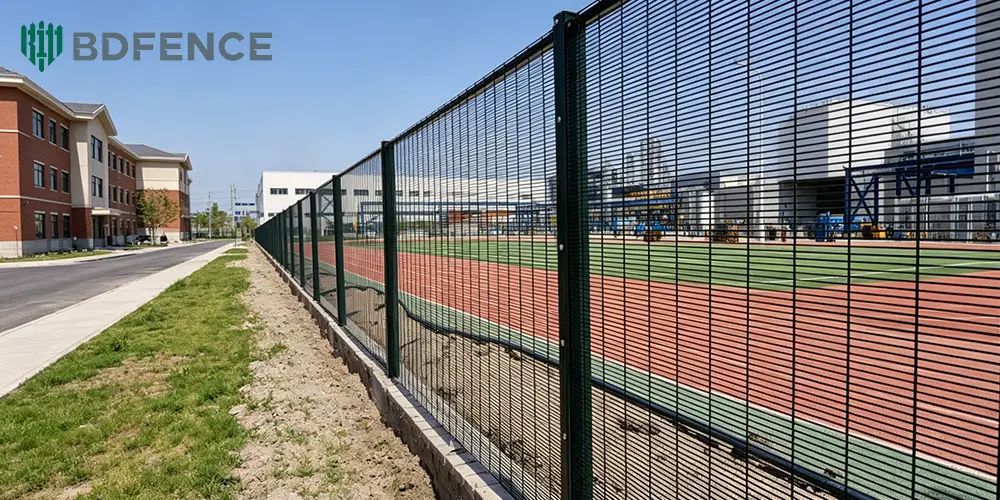
Once the specification is approved, the site layout, fence drawings, BOQ and supplier quotation should describe the same system. If the gate position or fence height changes, the affected quantities and manufacturing details may need to be revised.
This check is particularly important for overseas projects. Replacing a missing fitting or correcting a post that was fabricated to an outdated drawing may delay installation while the contractor waits for clarification or replacement materials.
The packing list should identify the supplied components clearly. Standard panels, special sections, posts, gates and smaller fittings may require different packing arrangements, so the receiving team should be able to check the delivery against the approved schedule.
For the contractor, the objective is simple: the materials arriving at the site should match the latest approved drawings and the agreed supply scope.
How BDFENCE Supports Airport Fence Procurement
BDFENCE is a China-based metal fencing manufacturer supplying overseas contractors, distributors and project buyers. Our team has more than 30 years of experience in metal fence manufacturing.
For an airport perimeter enquiry, useful documents include the site layout, fence elevation, panel specification, post schedule, fixing details and gate requirements. If the project includes security extensions, those details should also be shown in the approved drawings.
BDFENCE can review the specified 358 panels, posts, fixing components and related manufactured items against the information provided. Any dimensions that remain unclear should be confirmed before the affected components enter production.
Airport security design, structural engineering and foundation approval remain the responsibility of the project’s qualified professionals and relevant authorities. The manufacturer’s role is to supply components that match the confirmed specification.
If you are preparing an airport perimeter fencing package, send your drawing, BOQ or technical specification through Contact BDFENCE to request a project-based quotation.
FAQ
Why is 358 Fence considered for airport perimeters?
Its narrow mesh openings make climbing difficult and restrict access with many conventional cutting tools, while preserving visibility through the fence. The suitability of the complete system depends on the airport’s approved security requirements.
What height should airport 358 Fence use?
The required height depends on the security design, location, applicable requirements and any specified extensions. The specification should distinguish mesh height from the total height of the finished barrier.
Should airport fencing include Y-posts or razor wire?
Only where required by the approved security design and permitted by applicable regulations. Extensions and toppings need compatible supports and an appropriate engineering review.
What fixing system should be used for 358 airport fencing?
The clips, clamp bars and fasteners must match the panel edge, post profile and project requirements. Buyers should request connection details where the fixing arrangement is not already defined.
What coating is suitable for airport perimeter fencing?
The required finish depends on the environmental exposure and project specification. Confirm the coating requirements for panels, posts, gates and exposed fittings.
What documents help obtain an airport fence quotation?
A site layout, BOQ, panel specification, post schedule, fixing details, gate requirements and coating specification are useful. Approved foundation drawings should be included when available.
Contact BDFENCE
Hebei Bendin Industrial Technology Co., Ltd. (BDFENCE)
Planning an airport perimeter project? Send your fence drawing, BOQ or technical specification for a quotation based on the required panels, posts, fixings and gates.
Phone: +86 18703182863
WhatsApp: +86 18703287372
Email: info@bd-fence.com
Website: https://bd-fence.com/
Inquiry: Contact BDFENCE